

Key Takeaways:
- RTX's Raytheon wins $22.9 billion, seven-year Tomahawk contract from U.S. Navy
- Production to ramp past 1,000 missiles annually with supplier network expansion
- H1 2026 Tomahawk deliveries tripled versus H1 2025
Key Takeaways:
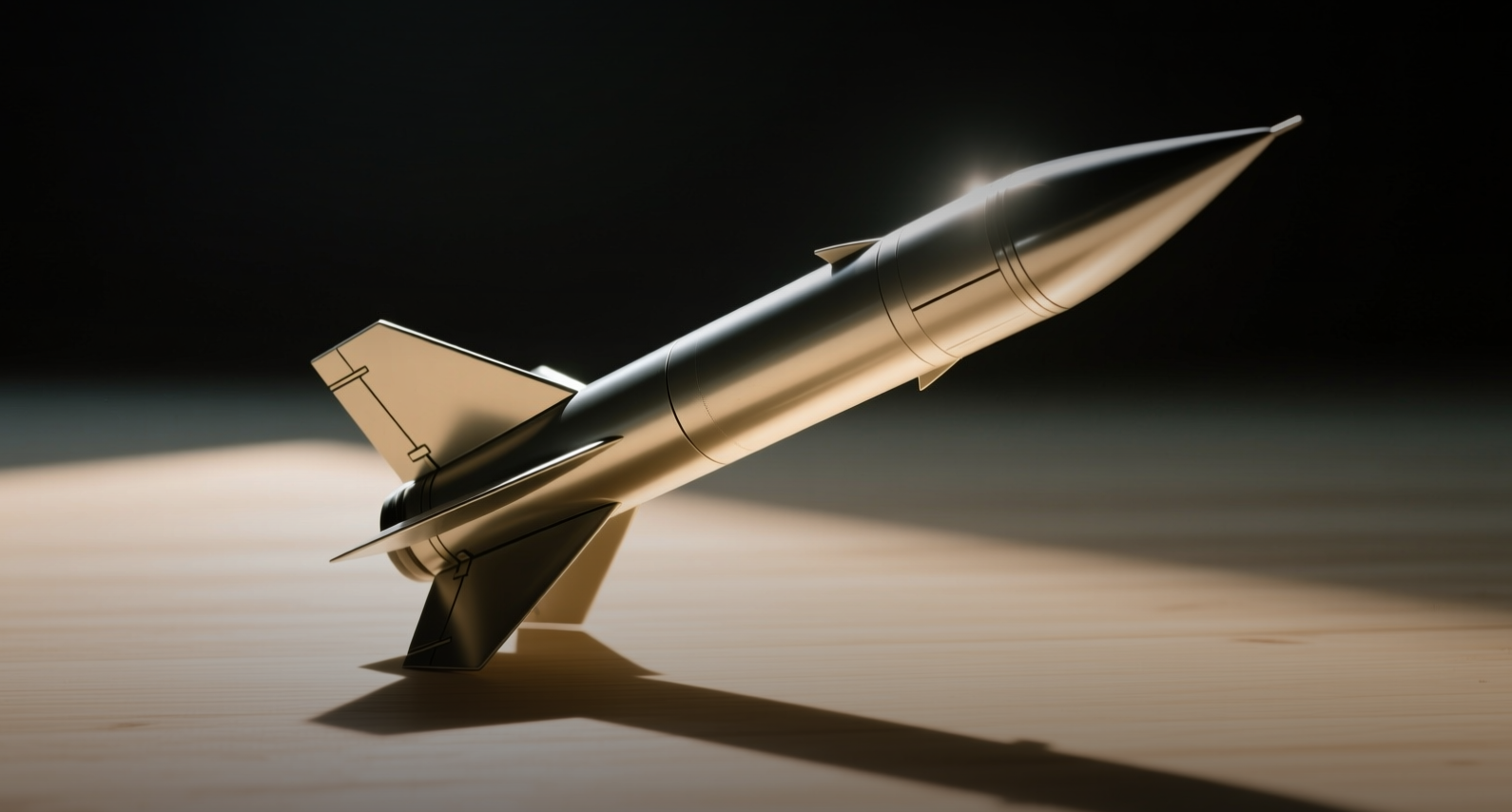
RTX's Raytheon received a $22.9 billion, seven-year contract from the U.S. Navy to accelerate Tomahawk cruise missile production to more than 1,000 units annually.
"Tomahawk is the Navy's most important strike weapon, able to target hostile forces hundreds of miles away without ever risking the lives of our sailors," Raytheon President Phil Jasper said.
RTX delivered three times more Tomahawks in the first half of 2026 compared with the same period in 2025. The contract, awarded under the Department of War's Arsenal of Freedom program, follows landmark agreements between Raytheon and the department. RTX will collaborate with hundreds of small and mid-sized suppliers nationwide to scale output, with the company investing in workforce, technology, supply chain, and facilities to boost production capacity. The multi-year award is designed to support an annual production ramp to more than 1,000 Tomahawk missiles plus associated support services.
The award adds to RTX's defense backlog as the company reported 2025 sales of more than $88 billion. The contract supports a stable, predictable supply for the Navy and allied forces, with RTX planning further capacity increases.
Tomahawk cruise missiles remain one of the U.S. military's most proven long-range strike capabilities, with a decades-long record of operational performance across multiple launch platforms. The weapon system provides military leaders with reliable options against high-value targets, and can be launched from ships, submarines, and ground-based platforms. First deployed in combat during the 1991 Gulf War, the Tomahawk has been used in numerous operations since, cementing its role as a cornerstone of U.S. naval strike doctrine.
RTX, headquartered in Arlington, Virginia, employs more than 180,000 people worldwide. The company's Raytheon business, based in Tucson, Arizona, has developed technologies in integrated air and missile defense, smart weapons, advanced sensors, and hypersonics for more than 100 years. Raytheon's portfolio also includes the SM-3 interceptor, for which it received a $745 million contract earlier this month.
The contract comes as the U.S. defense sector faces sustained demand for precision-strike munitions. The Arsenal of Freedom program reflects a broader push to expand domestic production capacity for critical weapons systems, with implications for defense peers including Lockheed Martin, Northrop Grumman, and General Dynamics. The multi-year award provides the Navy and allied forces with a stable, predictable supply of Tomahawks, addressing concerns about munitions stockpiles following recent global conflicts.
The contract strengthens RTX's defense backlog and provides multi-year revenue visibility. Investors will watch for production ramp milestones and potential follow-on orders as the Arsenal of Freedom program expands. The award also shows the Department of War's commitment to long-term domestic munitions production, a theme that could benefit the broader defense supply chain and RTX's supplier partners.
This article is for informational purposes only and does not constitute investment advice.
