
China's central bank extended its gold accumulation to 22 consecutive months in August, lifting official holdings to 76.73 million ounces valued at $350 billion.
China's central bank extended its gold accumulation to 22 consecutive months in August, lifting official holdings to 76.73 million ounces valued at $350 billion.
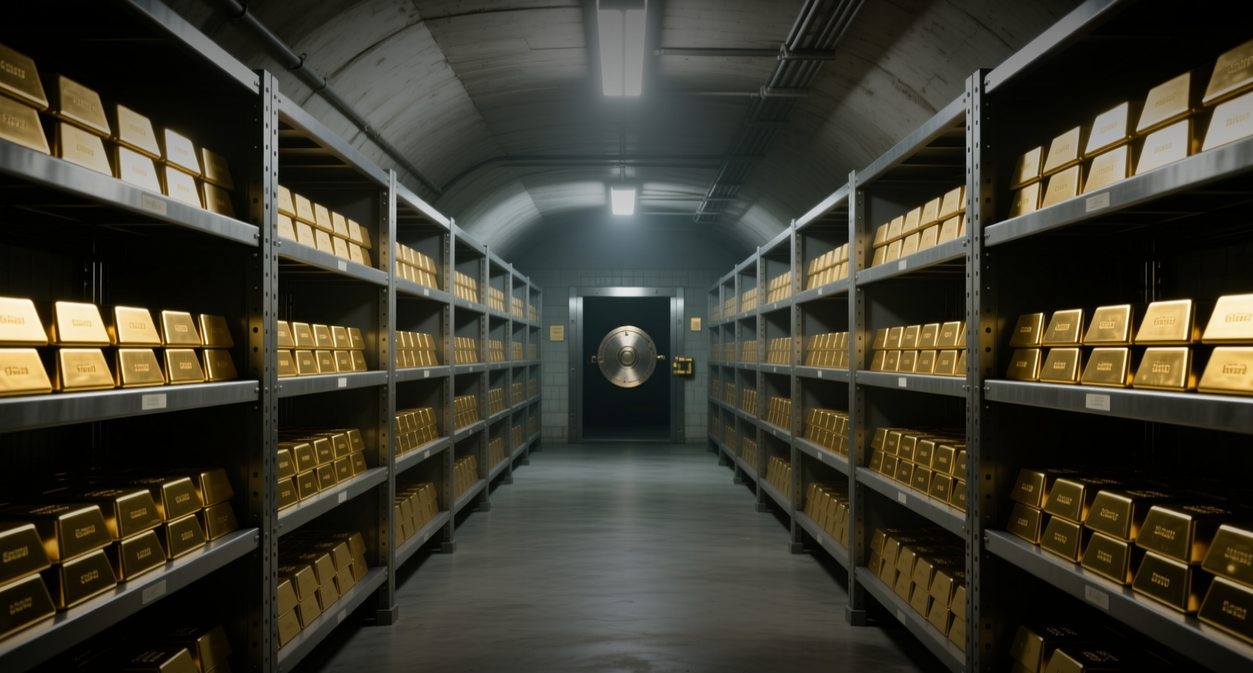
The People's Bank of China added bullion for a 22nd consecutive month in August, lifting official gold reserves to 76.73 million ounces and pushing the value of the stockpile to $350.08 billion from $306.35 billion a month earlier.
The buying streak — the longest documented in PBOC history — reflects a strategic pivot toward reserve diversification that gained urgency after Western sanctions froze Russian central bank assets in 2022, according to analysts who track official gold purchases. Gold held in domestic vaults cannot be frozen by foreign governments, a lesson Beijing absorbed when the United States and its allies immobilized roughly $300 billion of Russian reserves.
August's addition of about 650,000 ounces followed a July purchase of 640,000 ounces, the largest single-month increase since October 2023. Monthly additions in 2026 have ranged from 160,000 ounces in March to the July peak, with year-to-date purchases through July totaling approximately 60 tonnes. Gold now accounts for roughly 8 percent of China's total foreign-exchange reserves, which stood at $3.42 trillion at the end of July.
The valuation jump from $306.35 billion to $350.08 billion in a single month exceeds what physical purchases alone would explain, suggesting gold prices moved substantially during August and amplified the worth of China's existing stockpile. The PBOC has not yet confirmed the August figures publicly, and the market awaits comprehensive disclosure of the central bank's activities during the period.
Independent analysts have long suggested China's actual gold holdings may be significantly higher than official figures indicate. The PBOC has historically reported in batches, sometimes going years without updating its gold data before revealing large jumps. Following a prolonged period of opacity, the central bank resumed regular disclosures of gold-reserve increases in late 2024.
The sustained official demand provides a structural undercurrent for gold prices at a time when Western central banks have largely stepped back from bullion accumulation. China's buying pattern — steady, incremental, and unrelenting — differs from the episodic purchases of other major central banks, creating a consistent bid that market participants have come to price into the metal's forward curve.
The de-dollarization dimension extends beyond China. Central banks across emerging markets have accelerated gold purchases since 2022, diversifying away from dollar-denominated assets in response to the weaponization of the U.S. financial system. Gold's share of global central bank reserves has climbed steadily as a result, with the World Gold Council tracking annual official-sector purchases above 1,000 tonnes in each of the past three years.
For gold investors, the PBOC's trajectory matters as much as its monthly data points. If Beijing sustains its current pace, annual additions of roughly 100 tonnes would cement China's position among the world's largest official gold buyers, reinforcing a trend that has helped push bullion to record levels. The next PBOC disclosure, expected in early October, will show whether August's acceleration marked a new phase of accumulation or a temporary surge.
This article is for informational purposes only and does not constitute investment advice.
