
The US Treasury's new sanctions campaign against Iran hinges on whether Beijing will abandon its role as Tehran's primary oil buyer.
The US Treasury's new sanctions campaign against Iran hinges on whether Beijing will abandon its role as Tehran's primary oil buyer.
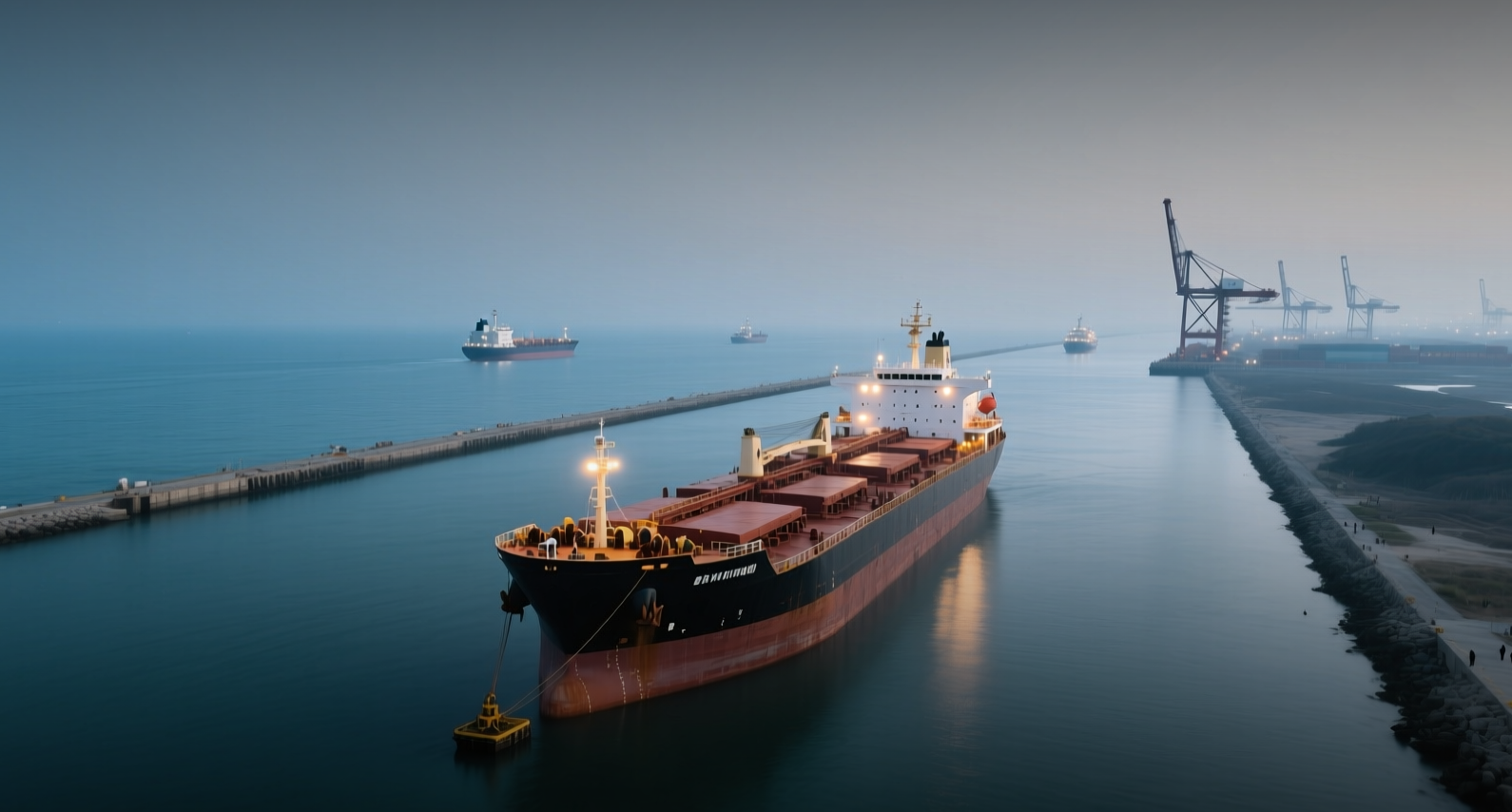
Treasury Secretary Scott Bessent on Monday launched Operation Economic Outcast, designating roughly 60 entities across Hong Kong, China, Malaysia, the UAE and Singapore that facilitate Iran's oil sales and sanctions evasion. Bessent compared the effort to D-Day, framing it as a campaign to "sever every remaining economic lifeline sustaining" the Iranian regime.
"An economic engagement of any kind with this murderous regime will expose those responsible to the full reach of American power," Bessent said at a Treasury Department press conference.
The designations target front and shell companies in jurisdictions well known as evasion and transshipment hubs, following earlier sanctions this year under Operation Economic Fury. Bessent called the announcement a "warning shot" and threatened sanctions on a "major financial institution" later this week, while acknowledging he didn't want to "blow up the global financial system." The Treasury's reluctance to name that institution immediately suggests the administration is calibrating its escalation against the risk of collateral damage to global markets.
The campaign's success depends on China, whose refineries absorb nearly 90 percent of Iranian crude. With the Trump-Xi summit weeks away and a one-year US-China truce expiring this fall, any escalation against Chinese banks could trigger retaliation in critical minerals, hitting US manufacturing supply chains.
Beijing holds the key
Chinese refiners have been the primary buyers of Iranian oil even as US pressure pushed exports to a historic low, according to Reuters data from June. The Treasury's designations so far have avoided major Chinese financial institutions, leaving the most consequential action unspecified. Bessent's warning that a "major financial institution" could face sanctions by the end of the week raises the question of whether Beijing will be the target.
"China has also skirted American sanctions for years and has given little indication that it will stop now," said Nate Swanson, director of the Iran Strategy Project at the Atlantic Council's Scowcroft Middle East Security Initiative. "Is President Trump really willing to risk the trade détente with China to take the necessary actions against Chinese banks, refiners, and ports?"
The UAE has already agreed to halt trade and financial transactions with Iran, announcing the decision last week. That move followed months of US pressure and represents a meaningful shift given how much Tehran has relied on Dubai for financing. But the UAE's follow-through will be an early test of whether the campaign can convert diplomatic pressure into enforcement. Washington's leverage over Gulf states is substantial — all GCC members except Kuwait peg their currencies to the dollar — yet Gulf leaders have grown wary of US reliability after Trump's tariff threats and his recent warning to bomb Oman.
A race to the bottom
Iran has navigated secondary sanctions for three decades, since the Iran and Libya Sanctions Act of 1996. Tehran's leaders will likely escalate militarily against neighbors before they starve, attempting to force Iraq and Gulf states to hedge and keep money flowing. The Strait of Hormuz, through which roughly 21 percent of global oil trade passes, remains the flashpoint, and any disruption there would ripple through crude prices and global shipping costs.
The administration's credibility faces a structural problem. Only months ago, Trump signed a memorandum of understanding that would have released significant funds to Iran and brought it further into the regional economy. If Trump reverts to seeking a negotiated off-ramp, sanctions relief would be the minimum Tehran demands — a scenario that would further undercut US credibility with allies across Europe and Asia who are already skeptical of Washington's reliability.
The last time the US pursued maximum pressure on Iran, oil exports fell to historic lows but the regime survived. This campaign faces a harder test: convincing China to abandon its largest discounted crude supplier while managing a trade truce that expires this fall. If Washington sanctions Chinese banks, Beijing's retaliation in critical minerals could hit US manufacturing just as the administration faces a tariff war with Canada. The war has entered a race to the bottom, with both sides imposing pain and building leverage without translating either into strategic gains.
This article is for informational purposes only and does not constitute investment advice.
