

The probe marks the third NHTSA action tied to Tesla suspension failures, raising the prospect of a mandatory recall covering more than a million vehicles.
The probe marks the third NHTSA action tied to Tesla suspension failures, raising the prospect of a mandatory recall covering more than a million vehicles.
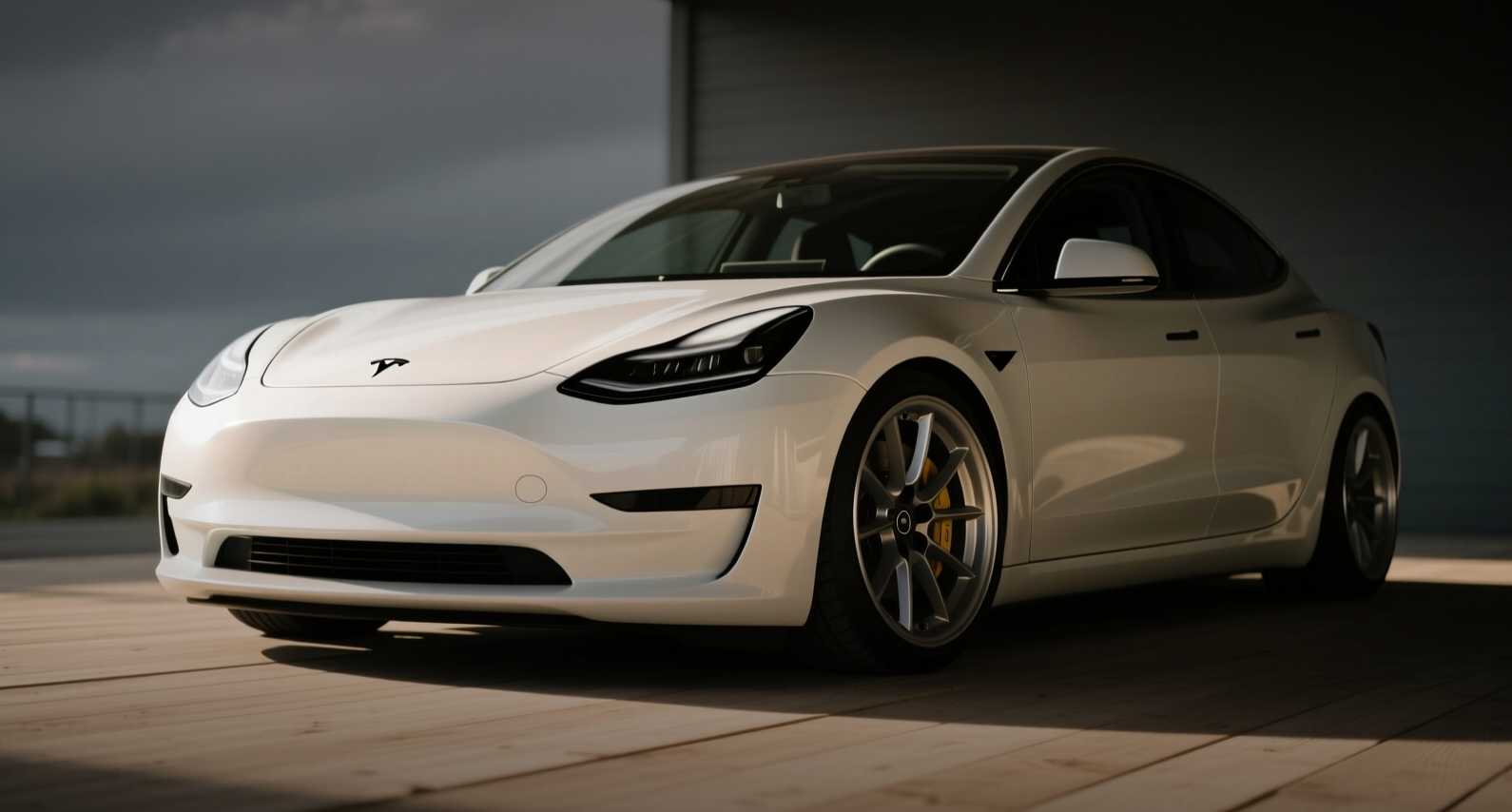
The National Highway Traffic Safety Administration opened a preliminary investigation into about 1.2 million Tesla vehicles Friday after 156 complaints of front suspension detachments that could cause loss of steering control.
The regulator's Office of Defects Investigation received complaints alleging the front lower lateral link detached in certain 2018-2020 Model 3 and 2021-2023 Model Y vehicles, NHTSA said. Most complaints indicated there was no advance warning before the failure, though some owners reported noises beforehand, and vehicles often had to be towed after the suspension detached.
The reported failures extend beyond the scope of two previous Tesla recalls for lateral link detachments and do not appear to be related to the production issue addressed in those recalls, the regulator said. The preliminary evaluation will examine the underlying cause, scope, and severity of the potential defect.
A mandatory recall covering 1.2 million vehicles would rank among the largest in Tesla's history and could carry substantial financial and reputational costs. The probe's outcome will determine whether Tesla faces additional regulatory action, with the investigation potentially setting a precedent for how the agency handles recurring component failures across model generations.
The investigation follows two prior Tesla recalls for lateral link detachments, though NHTSA said the new complaints do not appear tied to the production issue addressed in those actions. The scope of the current probe — spanning Model 3 and Model Y across six model years — suggests the problem may be systemic rather than isolated to a single production batch.
The front lower lateral link is a critical suspension component that connects the control arm to the vehicle's subframe, helping maintain wheel alignment and steering stability. A detachment can cause the wheel to shift suddenly, potentially leading to loss of steering control at speed. The fact that failures span six model years and two vehicle platforms points to a potential design or materials issue rather than a one-off manufacturing defect.
Tesla did not immediately respond to Reuters' request for comment. The company has faced escalating regulatory scrutiny from NHTSA in recent years, with the agency opening multiple investigations into its driver assistance systems and vehicle components.
The preliminary evaluation phase typically lasts several months. If NHTSA determines a safety defect exists, it can escalate to an engineering analysis and ultimately demand a recall. Tesla would have the opportunity to respond and potentially contest the findings before any final action.
The investigation carries direct implications for Tesla's financial position. A recall of 1.2 million vehicles would require parts replacement and labor costs across a fleet spanning multiple model years, potentially running into hundreds of millions of dollars. The probe also raises questions about Tesla's quality control processes, which could affect consumer confidence and resale values.
For the broader EV sector, the investigation adds to a pattern of regulatory attention on vehicle safety systems. Rivals including Ford and General Motors have faced their own recalls and probes, but Tesla's rapid production scaling has drawn particular scrutiny from safety regulators.
The investigation comes at a sensitive time for Tesla, which has been navigating slowing EV demand and intensifying competition from Chinese manufacturers. Any mandatory recall would add to the company's operational costs and could weigh on its stock price, which has been volatile in recent quarters. The probe also creates uncertainty for Tesla's used-car market, where suspension-related safety concerns could depress resale values across the affected model years.
For the broader auto industry, the investigation highlights the regulatory risks inherent in rapid production scaling. As automakers compress development cycles to compete in the EV transition, component durability across diverse operating conditions becomes a growing concern for safety regulators.
This article is for informational purposes only and does not constitute investment advice.
