


Moscow Exchange will add perpetual futures on Bitcoin and Ethereum ahead of Russia's digital currency law taking effect September 1.
Moscow Exchange will add perpetual futures on Bitcoin and Ethereum ahead of Russia's digital currency law taking effect September 1.
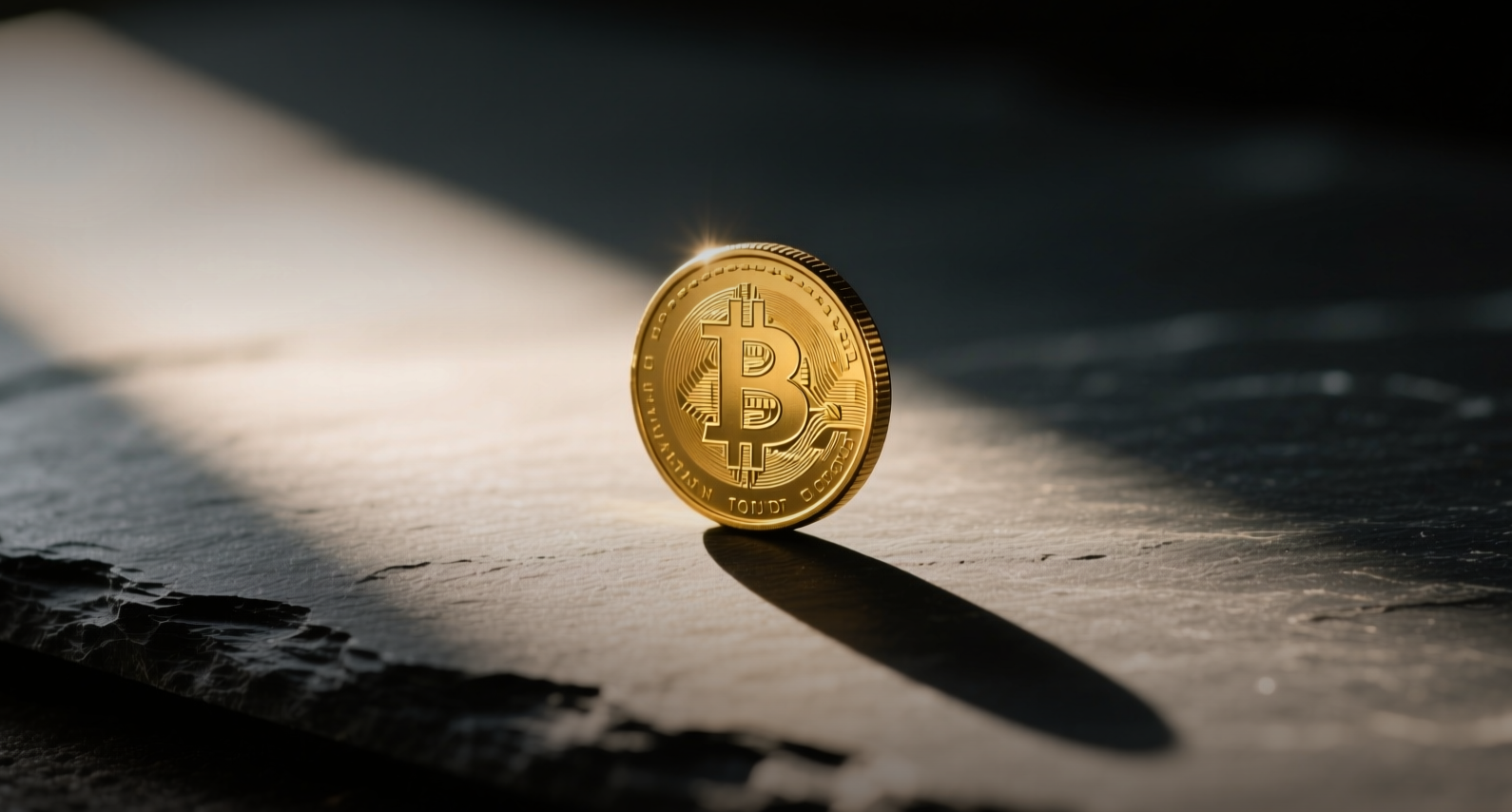
Moscow Exchange will add perpetual futures on Bitcoin and Ethereum to its derivatives lineup ahead of Russia's digital currency law taking effect September 1.
The listing follows Federal Law No. 282-FZ, signed by President Vladimir Putin on August 4, which recognizes digital currency as property with judicial protection and establishes licensing requirements for crypto exchanges, according to the Bank of Russia.
The Moscow Exchange already offers settlement futures for Bitcoin, Ethereum, Solana, XRP, and Tron. The perpetual contracts expand its crypto derivatives suite as the central bank prepares to enforce the broader framework law on September 1, with a transition period for exchange licensing running until July 1, 2027.
The move positions Moscow Exchange to capture a share of Russia's estimated 580 billion rubles in crypto held on centralized exchange wallets, with the Bank of Russia setting a 300,000-ruble annual purchase limit for non-qualified investors.
The Bank of Russia has also published a draft instruction allowing brokers, asset managers, and crypto exchanges to count Bitcoin and Ethereum toward capital adequacy calculations, capped at 25 percent of total calculated assets. Digital assets must be valued at fair value under International Financial Reporting Standards, with comments on the draft due by August 29.
The central bank estimates Russians hold roughly 580 billion rubles in crypto on centralized exchange wallets, with about 60 percent in Bitcoin (approximately 350 billion rubles) and 8 percent in Ether (approximately 44 billion rubles). The Ministry of Finance puts the crypto user base at 20 million citizens, while the Association of Banks "Russia" estimates daily crypto transaction volume at about 50 billion rubles, or more than 10 trillion rubles annually.
For non-qualified investors, the Bank of Russia has set an annual purchase limit of 300,000 rubles. Only Bitcoin, Ethereum, and Tether USDT currently meet the eligibility criteria based on average capitalization above 5 trillion rubles, average daily trading volume from 1 trillion rubles, and at least five years of pricing history on foreign platforms.
The Moscow Exchange's move comes as Sber promises to present its crypto trading infrastructure in December and VTB plans to enter the market next year. The exchange has said it is ready to launch full crypto trading once the regulatory framework is approved.
Digital depository requirements are also taking shape. The Bank of Russia plans to require companies with capital of at least 50 million rubles to account for cryptocurrencies and digital rights, with higher thresholds for settlement depositories at 250 million rubles.
Stablecoins are expected to play a growing role in the legal market. The global stablecoin market has grown from $150 billion to $318 billion over the past two years, with USDT and USDC accounting for 89 percent. The quasi-state payment network A7, created in 2024 with PSB Bank participation, processes nearly 20 percent of Russia's foreign trade payments and has conducted transactions totaling more than $102 billion, according to blockchain analytics firm Elliptic.
This article is for informational purposes only and does not constitute investment advice.
