
Iran has assessed attacks on US military installations in southeastern Europe and undersea cables in the Strait of Hormuz if President Donald Trump escalates the conflict, according to people close to the regime.
Iran has assessed attacks on US military installations in southeastern Europe and undersea cables in the Strait of Hormuz if President Donald Trump escalates the conflict, according to people close to the regime.
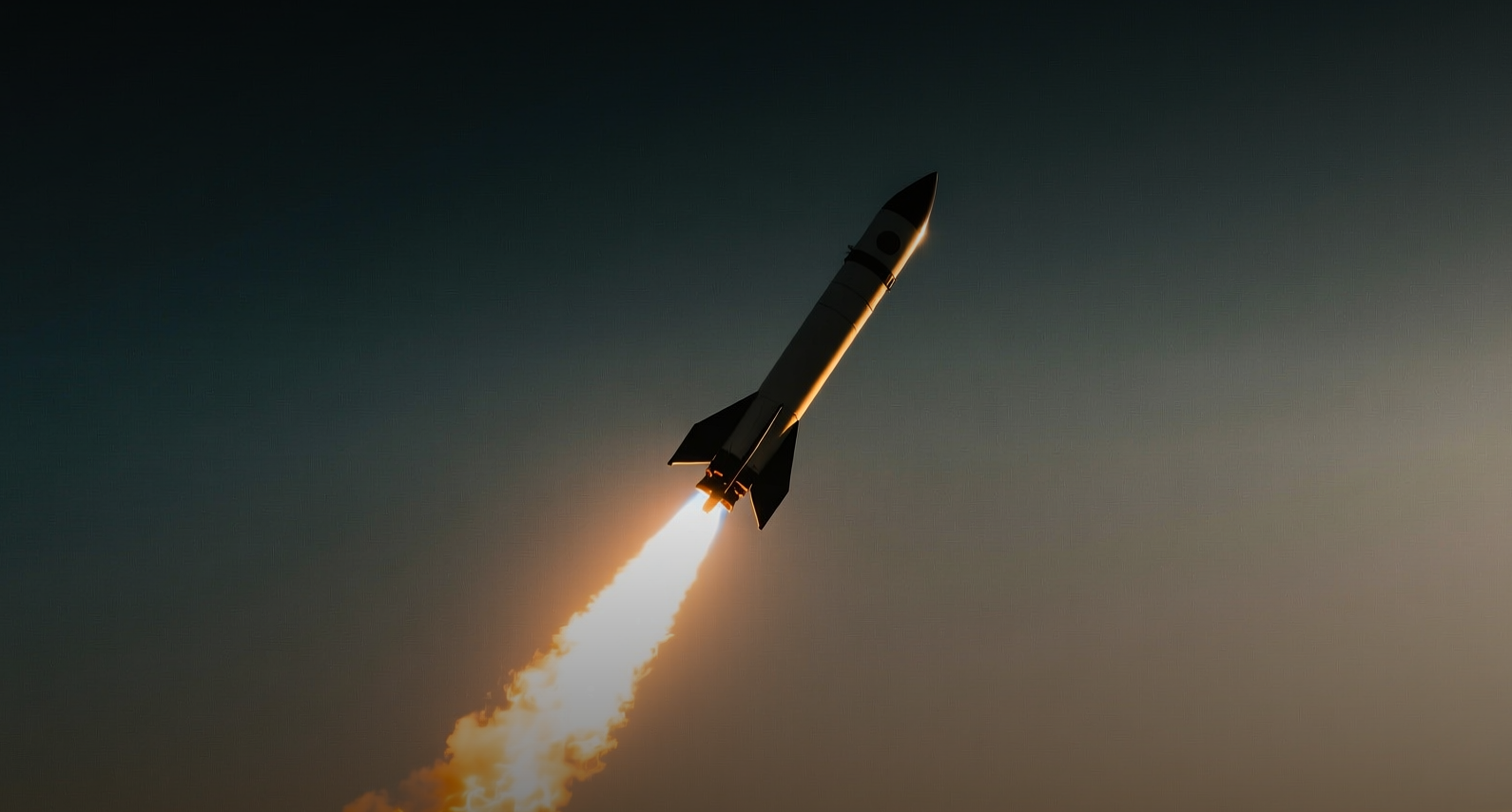
Iran has evaluated strikes against US military targets in southeastern Europe and undersea fiber-optic cables in the Strait of Hormuz if President Donald Trump escalates the war, according to two people close to the regime. The assessment marks a shift from Tehran's previous focus on Middle Eastern targets and reflects a growing conviction within the regime that renewed hostilities are a matter of when, not if.
"Should the US go too far, Iran will defend itself at any price, go beyond the region, and hit Europe too," one insider told the Financial Times. A second source said Iran would place "no limits" on retaliation if Washington crossed what Tehran considers an unacceptable threshold.
The targeting review covers Bulgaria's Bezmer air base, opened to US refueling aircraft last month, and Cyprus, where a British base was hit by a drone in March. Iranian officials warned London last month that "any base that is used to launch an attack on Iranian territory will be considered a legitimate target." Tehran has separately examined attacks on subsea cables in the Strait of Hormuz, which carries roughly 20 percent of global oil transit.
Brent crude rose 0.8 percent to $91.73 a barrel Wednesday as the geopolitical risk premium widened, while New York futures gained 0.8 percent to $85.70. Hong Kong-listed energy majors advanced against the broader market, with PetroChina up 1.78 percent, CNOOC gaining 0.49 percent and Sinopec climbing 0.81 percent.
Missile reach: real but limited
Sidharth Kaushal, a senior analyst at the Royal United Services Institute in London, assessed Iranian missile capabilities against European targets as "real, but limited." Medium-range systems such as Iran's Shahab ballistic missiles could reach US assets in southern and southeastern Europe, though effectiveness diminishes substantially at extended distances.
Iran has demonstrated interest in long-range strikes. After the war began in February, Washington accused Tehran of launching missiles toward the Diego Garcia military base in the Indian Ocean, roughly 4,000 kilometers away; none reached the target. A strike on a US base in Jordan last month, which killed three American service members, was described by regime insiders as Tehran's most accurate long-range attack to date.
The escalation threat comes as diplomacy has stalled. Trump said Tuesday that "no talks or conversations going on, or scheduled" with Tehran, and the 60-day period set by the June US-Iran memorandum has expired without a final agreement. Supreme Leader Ayatollah Mojtaba Khamenei elevated hardline security and military officials to senior positions last week, including Mohsen Rezaei as top security chief and Mohammad Bagher Ghalibaf as chief negotiator.
Strait of Hormuz risk premium
The Strait of Hormuz dimension carries the most significant market risk. The waterway handles about one-fifth of global oil consumption, and any disruption to subsea cables or shipping would ripple through energy prices, inflation expectations and central bank policy. Iran's economy is already under strain, with annual inflation at 66 percent in July and food prices up 128 percent year-on-year, according to the Statistical Center of Iran.
Analysts cautioned that Iran may overestimate its ability to conduct accurate long-range strikes. A direct attack on European territory would present significant military and political challenges, and Tehran could instead rely on regional allies and armed groups to carry out attacks rather than launch direct strikes against European soil.
The last time Iran threatened targets beyond the Middle East was during the 2025 Twelve-Day War, when the conflict remained contained to the region. A European dimension would mark a significant escalation with broader implications for Washington's NATO allies and could draw European countries more directly into the confrontation.
This article is for informational purposes only and does not constitute investment advice.
