
ByteDance's Seedance 2.5 doubles single-run video generation to 30 seconds, moving AI video from clip-making toward industrial production.
ByteDance's Seedance 2.5 doubles single-run video generation to 30 seconds, moving AI video from clip-making toward industrial production.
ByteDance's Seedance 2.5 doubles single-run video generation to 30 seconds, moving AI video from clip-making toward industrial production.
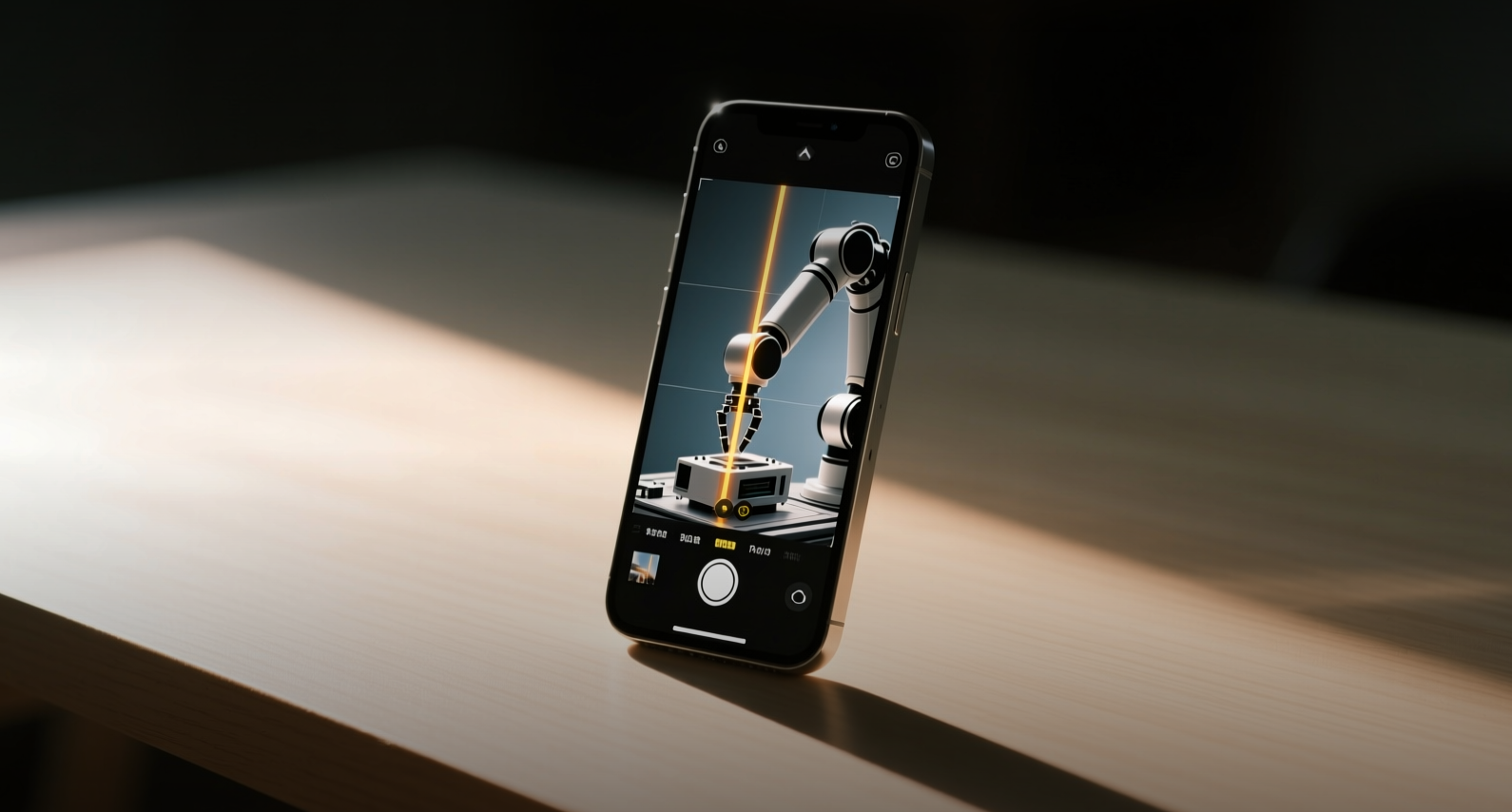
ByteDance's Seedance 2.5 doubles single-run video generation to 30 seconds and accepts up to 50 reference assets, pushing AI video from short clips toward industrial production across manufacturing and robotics.
"Video generation is shifting from generating content to understanding the world, and from assisting creativity to raising productivity," Wang Shuai, associate professor at Hong Kong University of Science and Technology, said.
The model, released July 31, extends single-generation length to 30 seconds from 15 seconds in Seedance 2.0, which launched in February. It accepts up to 30 images, 10 video clips and 10 audio files per input, and adds white-model and green-screen reference tools for planning spatial structure and swapping scenes while keeping subjects unchanged. Timestamp controls let creators edit specific segments without breaking continuity, and the model natively supports more than 10 languages.
ByteDance rolled the model out across Doubao, Jimeng and Kouzi, with API access to follow on Volcano Engine's Ark platform. Same-day partners include XCMG Group, XPeng Motors, Qiongche Intelligence, Weifen Zhifei and Lingchu Intelligence, spanning industrial training, automotive design and embodied-AI training data.
The length jump is the headline change, but the structural shift matters more. Seedance 2.5 organizes multiple logically connected shots within a single 30-second run, letting a story move from setup through turning point to conclusion rather than extending one scene. Multi-round extension chains clips into several minutes of coherent content with consistent characters, scenes and audio. ByteDance's Seed team said the model still has room to improve physical plausibility in complex motion and stability in scenes with many interacting subjects.
The commercial push targets production workflows. XCMG Group will use Seedance for industrial operation training and step-by-step process videos, cutting the cost of live filming and 3D animation. XPeng Motors integrated the model into its internal AI design platform for product visualization. In embodied AI, Qiongche Intelligence uses generated video to expand training data for robot models without collecting footage from physical machines, while Weifen Zhifei builds standardized datasets for obstacle avoidance, indoor navigation and target locking. In education, the Doubao Classroom feature in the Doubao Learning App turns textbook history and plots into animated demonstrations. In autonomous driving, the model can simulate low-frequency cases such as extreme weather and complex road conditions for system testing.
The launch lands the same day MiniMax released its H3 multimodal model and M2.5 text model, intensifying competition in AI video generation. MiniMax H3 generates 2K video with native dual-channel audio for advertising, gaming and e-commerce.
For investors, the question is whether AI video becomes a revenue line rather than a demo. ByteDance's API pricing on Volcano Engine is not yet disclosed, and the model's industrial value depends on how well it models physical-world rules — a capability Wang said determines whether video generation moves from creative output to data production and process replacement. XPeng, a listed partner, could see design-cycle savings, while rivals including MiniMax and Alibaba's Tongyi compete for the same enterprise budgets.
This article is for informational purposes only and does not constitute investment advice.
