

A delay in Apple's much-anticipated foldable iPhone could give competitors like Samsung and Google a significant lead in the growing market for flexible-screen devices.
A delay in Apple's much-anticipated foldable iPhone could give competitors like Samsung and Google a significant lead in the growing market for flexible-screen devices.
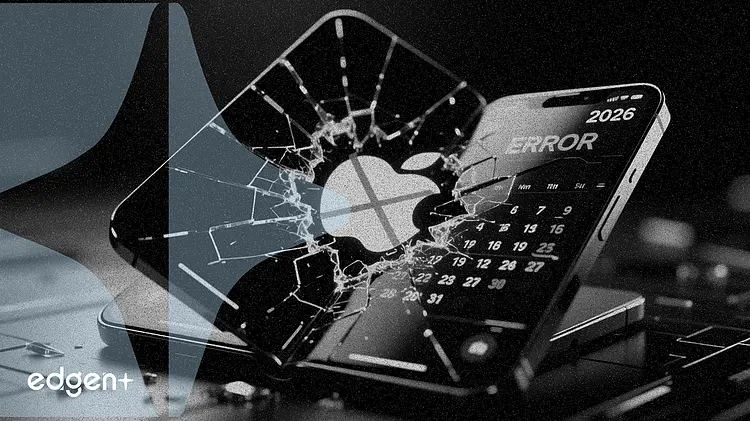
Apple's first foldable iPhone has hit engineering setbacks during the test phase, likely pushing its mass production and shipment schedule beyond 2026, according to a Nikkei Asia report citing sources familiar with the matter. The delay, reported on April 6, 2026, casts a shadow over Apple's entry into a new smartphone category currently dominated by rivals.
The Nikkei Asia report, which has a long track record of covering Apple's supply chain, pointed to unspecified engineering issues during the testing phase as the primary reason for the potential delay. While Apple has not officially confirmed the existence of a foldable iPhone project, patents and supply chain rumors have fueled speculation for years.
This development is a significant blow to Apple's perceived innovation pipeline. The foldable market, while still a niche, is growing. Samsung has already released several generations of its Galaxy Fold and Flip devices, and Google has entered the fray with its Pixel Fold. A delay for Apple means these competitors have more time to solidify their market share and refine their technology. For investors, this news introduces uncertainty into Apple's long-term growth narrative, which has been a key driver of its stock performance.
The challenges in developing a foldable device are immense, from creating a durable, crease-free screen to engineering a hinge mechanism that can withstand hundreds of thousands of folds. Apple is known for waiting to enter a new product category until it can deliver a polished, premium experience, and the reported setbacks suggest the company is not yet satisfied with the device's durability or performance. The delay could impact Apple's stock (AAPL) as investors weigh the cost of a delayed entry against the risk of launching a subpar product. The market sentiment surrounding the news is bearish, with concerns that Apple may be falling behind in a key area of smartphone innovation.
This article is for informational purposes only and does not constitute investment advice.