

Key Takeaways:
- Apple shares slid 2.1% to $326.88, trimming its market cap to $4.80 trillion.
- The decline extended a tech rout that pushed the SOX index into a bear market.
- Energy stocks were the sole gainers as crude surged on Iran tensions.
Key Takeaways:
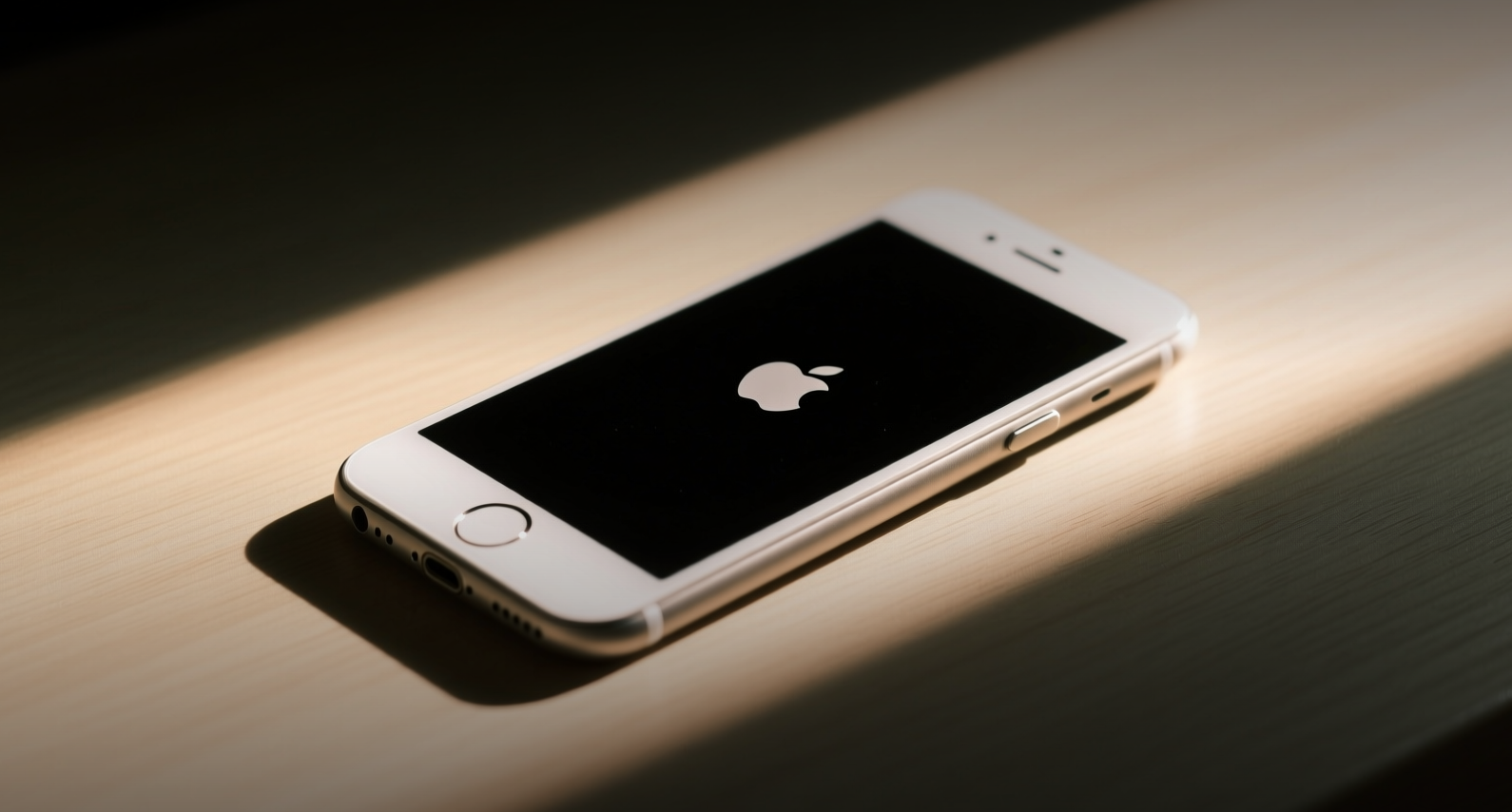
Apple shares slid 2.1% to $326.88 on Monday, trimming the world's most valuable company's market capitalization to $4.80 trillion as a technology selloff that has gripped Wall Street for weeks deepened.
"It's like the market has chip fatigue," said Ryan Detrick, chief market strategist at Carson Group in Omaha, Nebraska. "Chip stocks are down three of the last four weeks, and they got way ahead of themselves. Now they're coming back to Earth."
The decline in Apple, which had bucked the trend in the prior session by holding steady while other megacaps fell, dragged the broader market lower alongside other technology names. Meta Platforms and Alphabet each fell more than 2.7%, while the Philadelphia SE Semiconductor Index has tumbled over 18% so far in July and closed 20.2% below its June 22 record high, confirming a bear market. Even so, the SOX remains up nearly 65% year-to-date, compared with the S&P 500's roughly 9% gain over the same period. KeyBanc downgraded Apple to "underperform" last week, telling clients that expectations may have become "too aggressive" after the stock's recent run to a record high above $320.
The selloff signals growing unease about the sustainability of the nearly trillion-dollar AI spending boom, with some active managers already scaling back their exposure, according to a Reuters analysis. Second-quarter earnings season is still in its early days, with 49 S&P 500 companies having reported — 90% of which have beaten estimates, according to LSEG. Analysts now see year-on-year S&P 500 earnings growth of 26%, up from 19.2% expectations as of April 1. But Netflix's 7.3% tumble after a weaker-than-expected forecast has raised doubts about the durability of content-driven growth momentum.
Communication services and consumer discretionary were the worst-performing S&P 500 sectors, while energy stocks were the sole gainers, benefiting from a 4.5% surge in crude oil to $82.49 a barrel as the U.S. and Iran stepped up attacks across the Gulf. Declining issues outnumbered advancers by a 1.94-to-1 ratio on the New York Stock Exchange, with 258 new highs and 180 new lows. Volume on U.S. exchanges totaled 17.55 billion shares, below the 20.87 billion average for the full session over the last 20 trading days.
On the economic front, U.S. consumer sentiment rose to a five-month high in July, though single-family housing starts and building permits dipped and industrial output increased by a meager 0.1%. The 10-year Treasury yield was at 4.58%, down four basis points from the prior session, while the U.S. dollar index was 0.3% lower at 100.92.
The selloff raises questions about whether the AI-driven rally that powered markets for much of 2026 can sustain its momentum. With the SOX index in bear market territory and Apple — the largest U.S. company by market value — now joining the decline, investors are watching this week's earnings reports from Tesla and Microsoft for signs of whether corporate spending on AI infrastructure remains on track.
This article is for informational purposes only and does not constitute investment advice.
