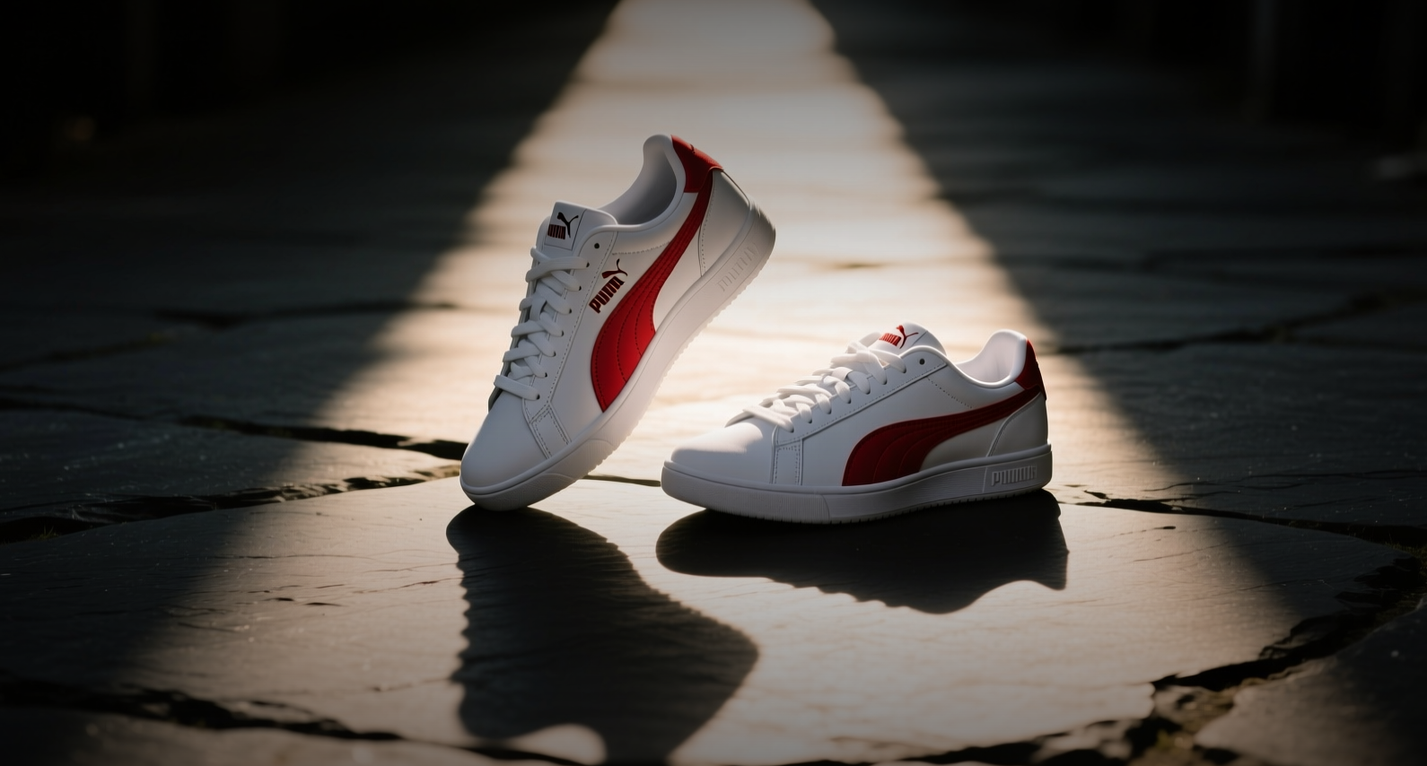
Puma reported Q2 sales of €1.69 billion, down 9.4% currency-adjusted, as reset measures and weaker consumer demand in key regions weighed on results.
"In the second quarter, we continued to rebuild PUMA as a brand-led organisation," Chief Executive Officer Arthur Hoeld said.
Gross profit margin rose about 180 basis points to 48%, helped by lower sourcing prices including €11.5 million in tariff refunds. EBIT improved to a €53.1 million loss from €109.1 million a year earlier, while adjusted EBIT fell 71.4% to a €41.9 million loss. Wholesale declined 14% currency-adjusted, while direct-to-consumer rose 0.4%, lifting the DTC share to 35.2% from 32.1%.
By region, EMEA fell 12.9% currency-adjusted and the Americas dropped 15.4%, while Asia/Pacific rose 8.6% on demand for low-profile sneakers such as the Speedcat. Footwear declined 11.7%, apparel fell 4.3% and accessories slipped 12%. In Greater China, e-commerce benefited from the "618 Shopping Festival," though wholesale softened after ANTA Sports announced plans to acquire a stake in Puma.
Free cash flow jumped to €328.8 million from €94.9 million, driven by improved working capital and lower capital expenditure. Inventories fell 15.3% to €1.82 billion, with normalization expected by year-end.
Puma confirmed its full-year outlook, projecting currency-adjusted sales to decline in the low- to mid-single-digit range and EBIT between a €50 million and €150 million loss. The guidance now incorporates the Middle East conflict and tariff effects, which were not previously reflected.
The results mark the second straight year of transition for the German sportswear maker, which is streamlining distribution in North America and Europe while cutting undesirable wholesale business. Management expects sales to improve sequentially in the second half and targets a return to growth from 2027, part of its push to close ground on rivals Adidas and Nike. Investors will watch the Q3 report on Oct. 30 for signs the reset is translating into demand.
This article is for informational purposes only and does not constitute investment advice.