
The USS Abraham Lincoln docked in Thailand after 286 days at sea supporting the US blockade of Iranian ports, highlighting the campaign's economic costs for Gulf shipping and regional tourism.
The USS Abraham Lincoln docked in Thailand after 286 days at sea supporting the US blockade of Iranian ports, highlighting the campaign's economic costs for Gulf shipping and regional tourism.
The USS Abraham Lincoln's 286-day deployment ended Wednesday in Thailand, where nearly 5,000 sailors disembarked after supporting a US blockade that has halted all Iranian oil exports since July.
"What this strike group has accomplished is truly historic," Rear Adm. Robert E. Loughran, commander of Carrier Strike Group 3, said in a statement. "I could not be prouder of the exceptional professionalism and expertise demonstrated by every member of this team during our operations."
The carrier spent more than 200 days in a combat zone and launched more than 10,000 sorties, according to acting Secretary of the Navy Hung Cao. It left San Diego in November, stopped in Guam in December and briefly in Oman in July, but Wednesday's arrival in Pattaya was its first full port stop since deployment began. The Lincoln arrived alongside the guided-missile destroyer USS Frank E. Petersen Jr. and the guided-missile cruiser USS Robert Smalls.
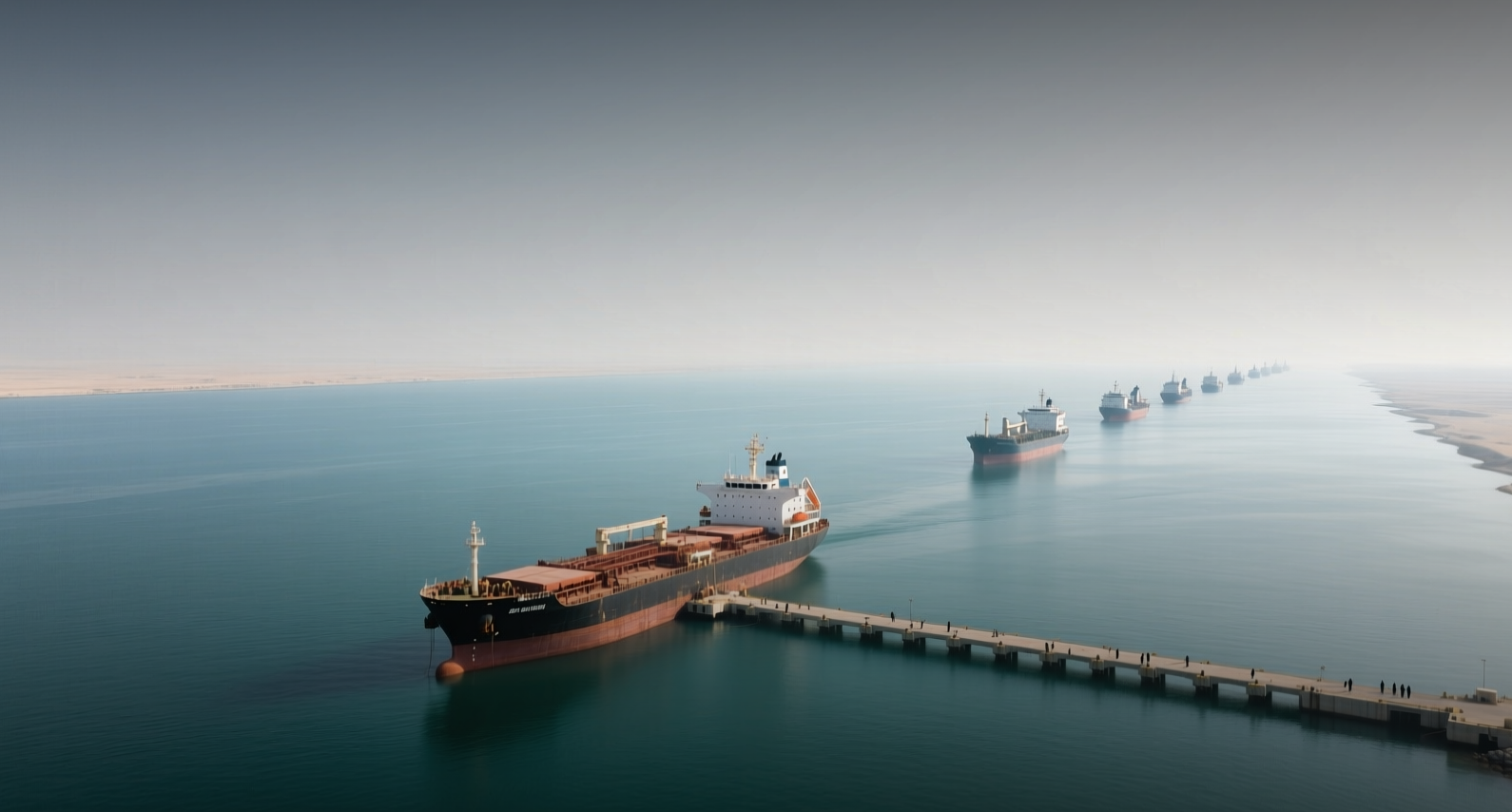
The deployment's length reflects the sustained tempo of US operations around the Strait of Hormuz, where the military escorted 40 commercial vessels carrying 18 million barrels of oil through the waterway on Tuesday. The blockade has prevented Iran from exporting any oil since July, while charter rates for tankers transiting the strait have surged past $500,000 per day, according to people familiar with the industry.
The five-day port call in Pattaya, a beach town known for its nightlife, marks the first extended shore leave for most of the crew in more than nine months. Sailors typically expect a port call every 30 to 45 days, said Todd Wende, a former command master chief who served on aircraft carriers. On board, crews battled the uncertainty of how long the deployment would last while maintaining sharp focus in a dangerous environment where aircraft movement, catapult pressure and lookout fatigue all carry risk. "It turns into Groundhog Day on there," Wende said. "It does make you fuzzy."
The unusually long deployment has drawn questions from family members and Democratic lawmakers, particularly after reports of fresh-food shortages and one sailor going overboard. The Navy acknowledged the difficulties of long deployments but said there was always adequate food and that a small number of mental-health cases were treated with no loss of life. Shakeira Fairfax flew from New Jersey to see her 25-year-old daughter Jada, who shipped out weeks after completing basic training in October. "There's been some rough patches, but we're going to choose to see the better side of this," Fairfax said.
The Lincoln's mission sits at the center of the Trump administration's strategy to pressure Iran economically. US forces have focused on striking targets around the Strait of Hormuz, conducting escort operations for commercial vessels and maintaining a naval blockade on Iranian ports as part of a "full court press" to ramp up economic pressure on Tehran's leadership, according to two US officials familiar with the operations. On Tuesday, the US hit nearly 60 military targets around the strait — including air defense sites, radar systems, maritime assets and mine-laying capabilities — while simultaneously escorting the commercial vessels.
Treasury Secretary Scott Bessent said oil exports through the strait hit a wartime record of more than 17 million barrels per day on Monday, though that remains below the roughly 20 million barrels a day that passed through before the war began just over six months ago. The blockade has prevented Iran from exporting any oil since July, according to a US official. But the administration continues to face skepticism from industry officials who question whether the US can reliably back up its claims of "total control" of the shipping route. Insurance costs remain elevated, and tankers carrying liquefied natural gas have shown even more caution because of the potentially catastrophic consequences of a strike on such vessels.
The conflict has also rippled through regional economies. Pattaya, which hosted the Lincoln's crew, is in the middle of its low tourist season, with visitor numbers far below normal for this time of year, reflecting travel disruptions and high ticket prices during the Iran conflict. Local business owners said the sailors' spending on food, travel and shopping provides a welcome boost.
US officials acknowledge it will take time and persistence to convince the shipping industry that the strait is safe to travel. By next month, the US military hopes to widen the cleared lane through the strait to allow vessels to maneuver more freely, with the goal of steadily increasing oil flows.
This article is for informational purposes only and does not constitute investment advice.
