

Key Takeaways: US 'mowing the lawn' strike plan near Hormuz pushes Brent above $92 as shipping disruption fears intensify.
Key Takeaways: US 'mowing the lawn' strike plan near Hormuz pushes Brent above $92 as shipping disruption fears intensify.
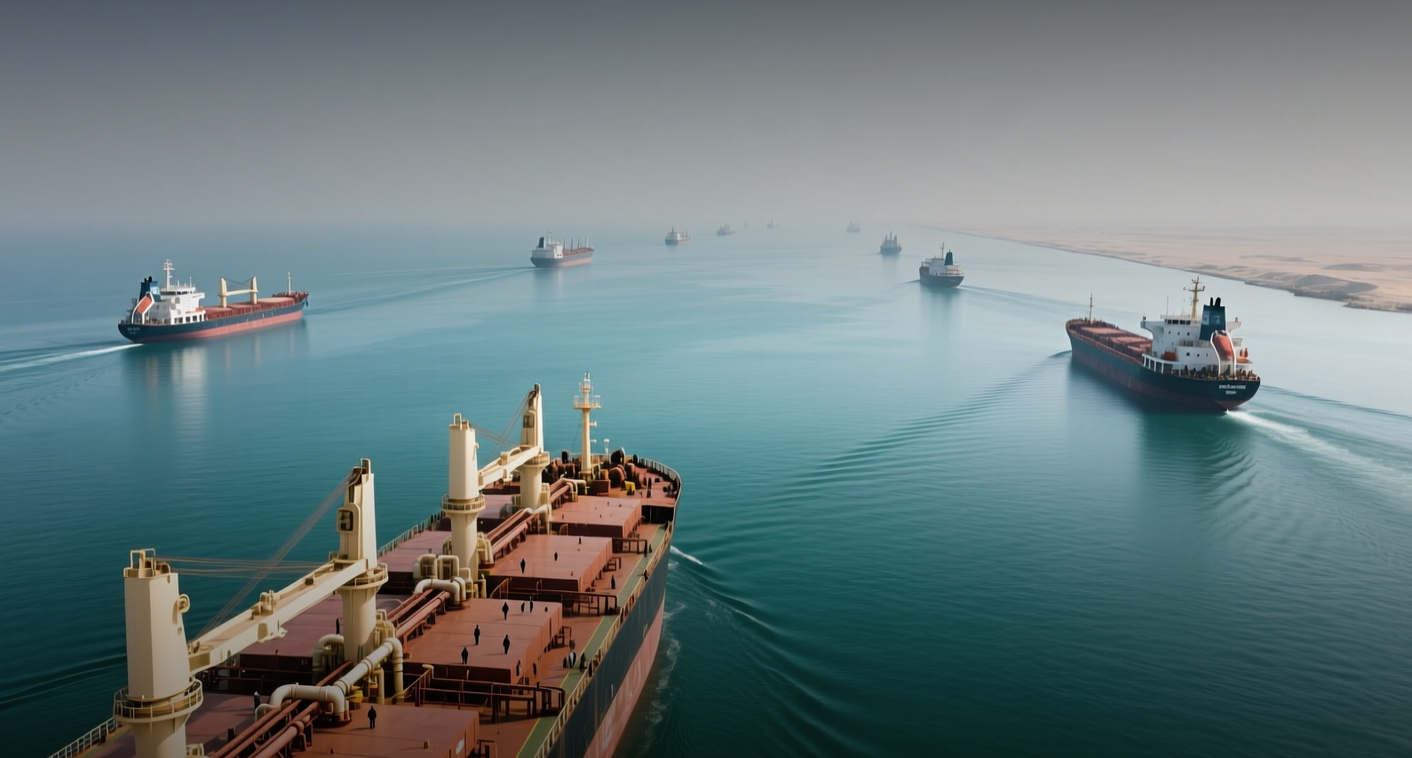
The US is weighing periodic limited airstrikes on Iranian facilities near the Strait of Hormuz, pushing Brent crude up 1.8 percent to $92.14 a barrel Tuesday as shipping disruption fears resurfaced.
"The tit-for-tat missile exchanges between the US and Iran bring validation to those who believe that even if not a 'forever war,' this conflict will run and run," said John Evans, analyst at PVM.
West Texas Intermediate rose 2.5 percent to $87.92, erasing most of last week's losses. Two supertankers carrying Saudi oil were struck by unknown projectiles Monday while crossing the strait. Visible commodity vessel transits held at about five per day, below the 10-day average of roughly 14, Kpler shipping data showed. None of the five ships were liquid tankers.
The Strait of Hormuz carried about a fifth of global oil and LNG supplies before the war erupted in late February. Analysts polled by Reuters in August expect oil to hold above $80 a barrel through 2026 as shipping disruptions persist. If the US follows through on periodic strikes, the risk premium embedded in crude could widen further.
The "mowing the lawn" doctrine, reported by US officials on Aug. 31, targets Iranian military facilities that have been rebuilt since the conflict began. US Central Command recommends regular limited airstrikes to ensure dozens of oil tankers can pass through the strait relatively safely each day, according to a US official. Iran is attempting to rebuild radar, air defense, and anti-ship missile positions to regain the ability to precisely strike oil tankers, US warships, and military aircraft, the official said. The plan is not aimed at launching a large-scale war on Iranian territory but at continuously degrading Tehran's ability to threaten shipping through the critical waterway.
The attacks on two Saudi supertankers Monday marked the first direct strikes on commercial vessels since the conflict shifted into an economic standoff. Mediators including Qatar and Oman have so far failed to broker a deal to reopen the strait. "The hopes that had emerged last week for an upcoming reopening of the Strait of Hormuz to shipping have been dealt a severe blow," Commerzbank analysts said. "The question is also whether, in the event of a renewed escalation, unofficial vessel traffic through the strait can continue unhindered."
The conflict, which began in late February, has now returned to direct military exchanges after a period of economic standoff. The last direct exchange occurred in late July, and the market had begun pricing in hopes of a diplomatic reopening of the strait before Monday's attacks. Iranian President Masoud Pezeshkian said Tuesday that Tehran would immediately reciprocate if the US returned to its commitments under the interim peace deal signed in June.
The crude-price response has created a sharp divergence between energy equities and broader benchmarks. Exxon Mobil rose 2.7 percent to $160.95 on the NYSE, while Occidental Petroleum, ConocoPhillips, and Chevron also gained as crude strength lifted upstream economics. The S&P 500 and Dow Jones Industrial Average, of which Exxon is a component, faced pressure from inflation concerns tied to higher energy costs.
Gold traded near $4,370 after a sharp reversal from its August high near $4,697, caught between safe-haven demand from the geopolitical escalation and inflation fears that could push the Federal Reserve toward rate hikes.
With no diplomatic breakthrough in sight and the US reportedly preparing for sustained military pressure, the crude market faces a persistent risk premium that analysts expect to keep prices above $80 a barrel through 2026. The "mowing the lawn" approach, if implemented, would institutionalize a state of continuous low-grade conflict around the world's most critical energy chokepoint — a scenario that keeps shipping insurance costs elevated, vessel transits constrained, and crude prices structurally higher.
This article is for informational purposes only and does not constitute investment advice.
