
Washington's new sanctions push on Iran lands as Strait of Hormuz traffic has already collapsed to single-digit vessel counts.
Washington's new sanctions push on Iran lands as Strait of Hormuz traffic has already collapsed to single-digit vessel counts.
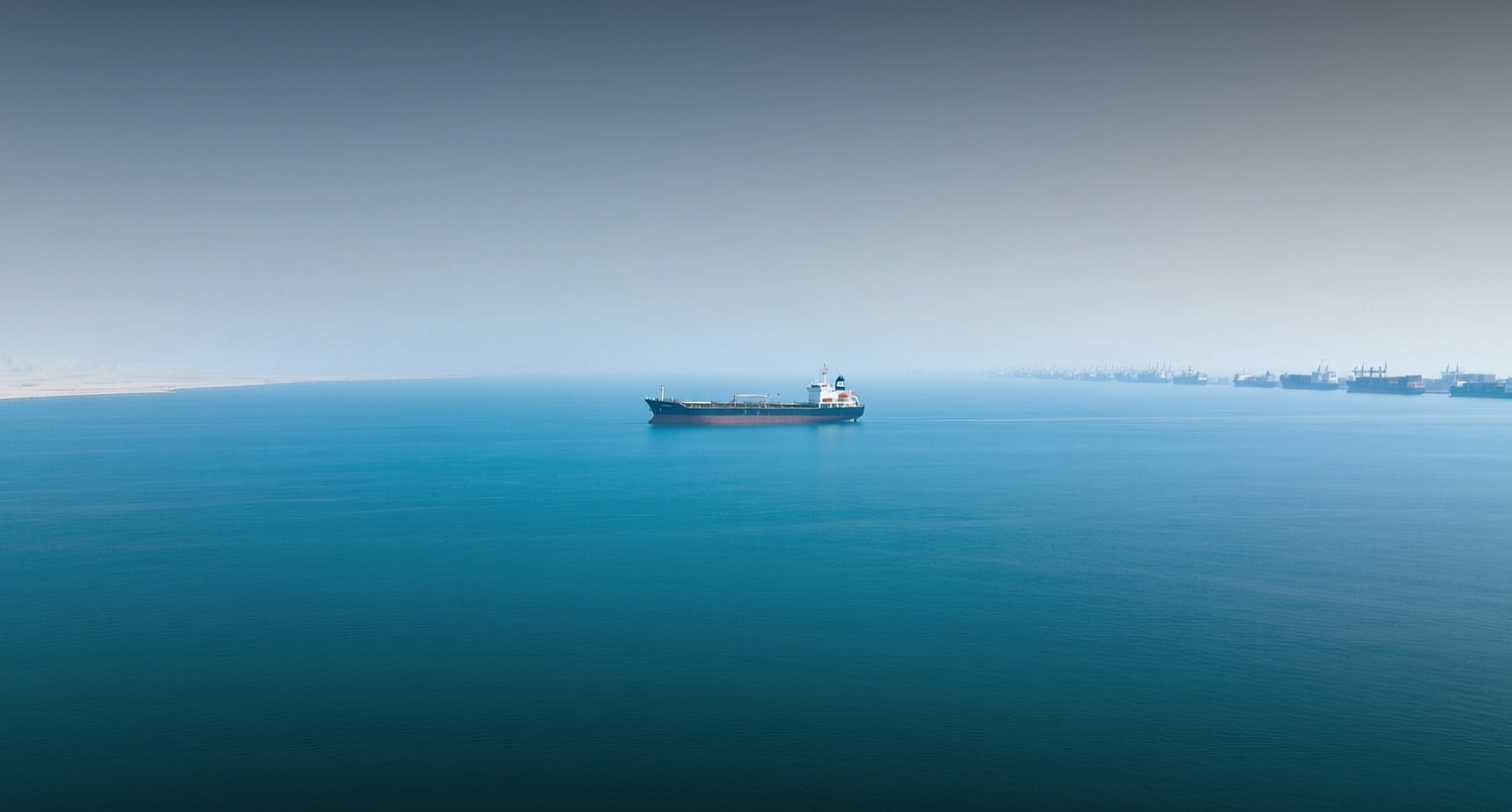
Washington's new sanctions push on Iran lands as Strait of Hormuz traffic has already collapsed to single-digit vessel counts.
The US on Aug 19 launched what Treasury Secretary Scott Bessent called the largest coordinated economic isolation in history, a sanctions operation against Iran that lands as Strait of Hormuz traffic has already collapsed to seven commodity vessels a day, roughly 7 percent of the pre-war average.
"India's losses due to the US-Iran war have been severe, with higher energy costs and disrupted trade since the conflict began," said Ajay Srivastava, founder of the Global Trade Research Initiative, a New Delhi-based trade policy think tank.
The escalation compounds a crisis already visible across markets. Brent crude traded at $93.98 a barrel on Aug 21, while India's crude basket stood at $93.45, after European natural gas prices surged 35 percent on March 19 when strikes damaged Gulf infrastructure. Japan's yen fell to a 40-year low near 164 against the dollar before a rare joint US-Japan intervention, and Saudi Arabia's economy shrank 4.8 percent year on year in the second quarter as oil activity plunged 24.7 percent.
The stakes extend beyond shipping lanes. More than 1.1 billion barrels of crude failed to reach the market by the end of May, and the Global Peace Index estimates the war could cost the world economy $2.2 trillion in a single year. With global inventories drawn down and spare capacity deployed, the buffers that absorbed the initial shock are running out.
Vessel tracking data from Kpler shows the corridor that normally carries 70 to 100 commercial ships a day, or about one-fifth of the world's combined crude and liquefied natural gas supply, has fallen to as few as three commodity vessels on the most disrupted days. On the seven-vessel day, not a single Very Large Crude Carrier or LNG tanker transited, a distinction that matters because each VLCC typically carries two million barrels of crude. War-risk insurance surcharges have escalated to levels that render standard voyage economics unworkable, pushing operators toward longer reroutes around the Cape of Good Hope that add 10 to 15 days to voyages.
The collapse is compounded by simultaneous disruption at the Bab el-Mandeb strait, where traffic slowed to 23 commodity vessels on the same day, including two Suezmax tankers carrying crude bound for Vietnam and India. India, which imports nearly 90 percent of its crude oil and 60 percent of its LPG, faces exposure through both chokepoints at once, with shipping insurance premiums up as much as 50 percent.
The new sanctions operation, which Bessent framed as a choice for other nations to side with the US or face isolation, has drawn a muted response from American allies wary of the energy and inflation fallout. China, Iran's largest trading partner, has rejected the pressure, saying it opposes unilateral sanctions and long-arm jurisdiction. The last comparable escalation, the 2023-24 Houthi campaign at Bab el-Mandeb, cut traffic there by roughly half but left crude prices largely contained; the current Hormuz disruption has no modern equivalent at a single chokepoint.
The forward path hinges on whether the sanctions force a negotiated settlement or prolong the stalemate. JPMorgan's global economist Nora Szentivanyi warned that shipping disruptions combined with a severe El Niño could push global food inflation from 2.8 percent to 5 percent by the first half of 2027, adding 0.6 percentage points to overall inflation. With the war entering its sixth month and no clear end in sight, the risk premium on energy and shipping costs is likely to stay elevated.
This article is for informational purposes only and does not constitute investment advice.
