
The US naval blockade has rerouted 86 commercial vessels and disabled three since mid-July, freezing Iran's crude exports even as the Strait of Hormuz reopens to two-way tanker traffic after mine clearance.
The US naval blockade has rerouted 86 commercial vessels and disabled three since mid-July, freezing Iran's crude exports even as the Strait of Hormuz reopens to two-way tanker traffic after mine clearance.
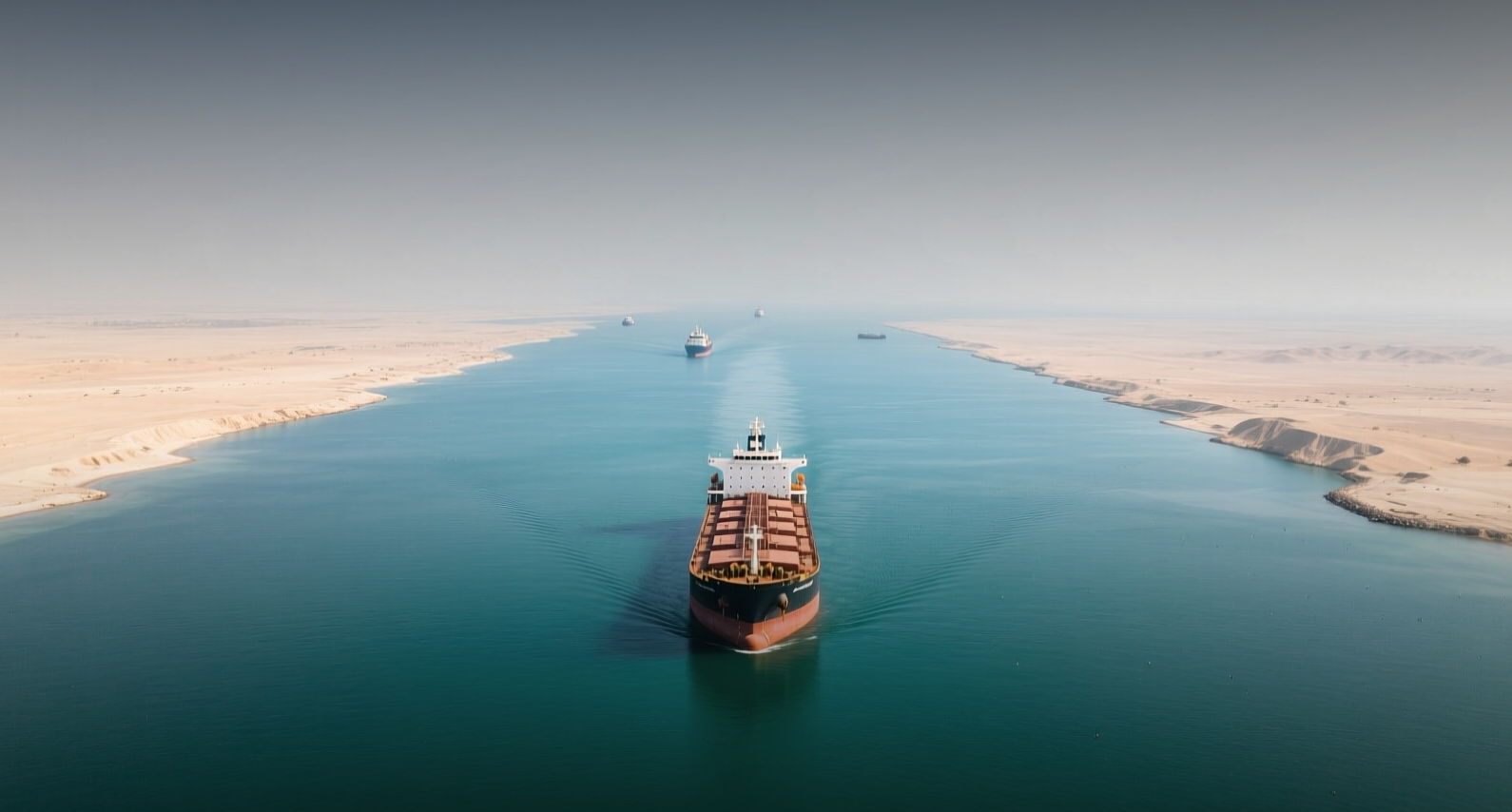
A US naval cordon around Iran has forced 86 commercial vessels to change course and left three ships disabled as of Sept. 2, choking off Iranian crude exports while the Strait of Hormuz — which carries about a fifth of the world's traded oil — reopens to two-way tanker traffic.
"International shipping lanes are open, and momentum is building," Adm. Brad Cooper, commander of US Central Command, said in an operational update after the months-long mine-clearance effort concluded.
CENTCOM said it had turned around 75 vessels attempting to run the blockade, boarded two ships for inspection and helped nearly 1,500 commercial vessels transit the strait, allowing about 750 million barrels of crude to reach market. Iran has exported no oil since mid-July, with no tankers leaving Kharg Island, its primary export terminal, since the blockade was reinstated around July 13-14.
The scale and duration of the blockade now set the oil-price and risk premium. With the strait handling roughly 20 percent of global crude supplies, according to the US Energy Information Administration, a sustained halt to Iranian shipments — or an asymmetric strike by the Islamic Revolutionary Guard Corps on transiting tankers — threatens to lift crude prices and deepen risk aversion across equities.
The mine-clearance operation began April 11 after the IRGC laid sea mines in international shipping lanes, drawing a US response that grew to roughly 50,000 troops in the region. Navy destroyers including the USS Frank E. Peterson and USS Michael Murphy, underwater drones and helicopters swept the waterway, which narrows to about 21 miles at its most constricted point. President Donald Trump declared Aug. 25 that all mines in international waters had been removed or detonated, and Cooper described the clearance as a "major milestone" in the six-month conflict.
The reopening has not restored Iranian shipments. CENTCOM said no ship has entered or left an Iranian port without permission, with passage allowed only on humanitarian grounds. The residual threat persists: the IRGC retains fast attack boats and anti-ship missiles that could disrupt traffic even without mines, and the two sides traded fresh strikes this week, with US forces hitting Iranian targets around the strait and Tehran saying it launched a retaliatory operation against US interests in the region.
The stakes concentrate in one number: the strait's roughly 20 percent share of seaborne crude. The last comparable closure, during the Iran-Iraq tanker war of the 1980s, forced shippers to reroute around the Arabian Peninsula and pushed oil prices sharply higher — a pattern that would repeat if the blockade hardened or the IRGC struck a tanker. For now, the roughly 750 million barrels that have cleared the strait under US escort show the corridor is moving cargo, but Iran's zero exports since mid-July represent a structural loss of supply that markets must price.
The political backdrop complicates the outlook. Trump's approval rating stands at 33 percent, with just 36 percent of Americans approving of the Iran war, according to a Reuters/Ipsos poll released this week — pressure that could shape whether Washington tightens or relaxes the blockade as November's midterm elections approach. If the blockade holds, crude should carry a persistent geopolitical premium and shipping and insurance costs stay elevated; if it eases, Iranian barrels could return quickly and weigh on prices.
This article is for informational purposes only and does not constitute investment advice.
