
A strike on Iran's Fordow nuclear site would extend a war that has lifted Brent crude roughly 40 percent this year and pushed American gasoline to $4.14 a gallon.
A strike on Iran's Fordow nuclear site would extend a war that has lifted Brent crude roughly 40 percent this year and pushed American gasoline to $4.14 a gallon.
President Trump said the US may soon strike Iran's Fordow nuclear facility, the latest escalation in a six-month conflict that has already pushed Brent crude above $97 a barrel and lifted US gasoline to $4.14 a gallon. Trump, in a White House interview Thursday, called the Iran issue "a small matter" that did not amount to a war, even as he threatened the fortified underground site near Natanz that he first flagged in July.
"I couldn't care less if they sign a worthless, to them, agreement," Trump wrote on Truth Social after US forces completed strikes Tuesday that Iran's health ministry said killed 18 people and wounded 108. Treasury Secretary Scott Bessent framed the campaign as financial, telling CNBC the administration would "economically asphyxiate this regime" through sanctions and a naval blockade that Central Command says has turned back 86 commercial vessels.
Brent crude traded above $97 a barrel Thursday, its highest since July 23, while West Texas Intermediate topped $92, with both benchmarks up roughly 40 percent from a year ago and about 50 percent since the war began Feb. 28. The rally has pushed the average US gallon of regular gasoline to $4.14, nearly a dollar above year-ago levels, according to AAA. Iran's First Vice President Mohammad Reza Aref warned of "dark months" for the US economy and urged Americans to stockpile fuel, while Tehran claimed missile and drone attacks on US bases in Kuwait, the United Arab Emirates, Jordan and Bahrain.
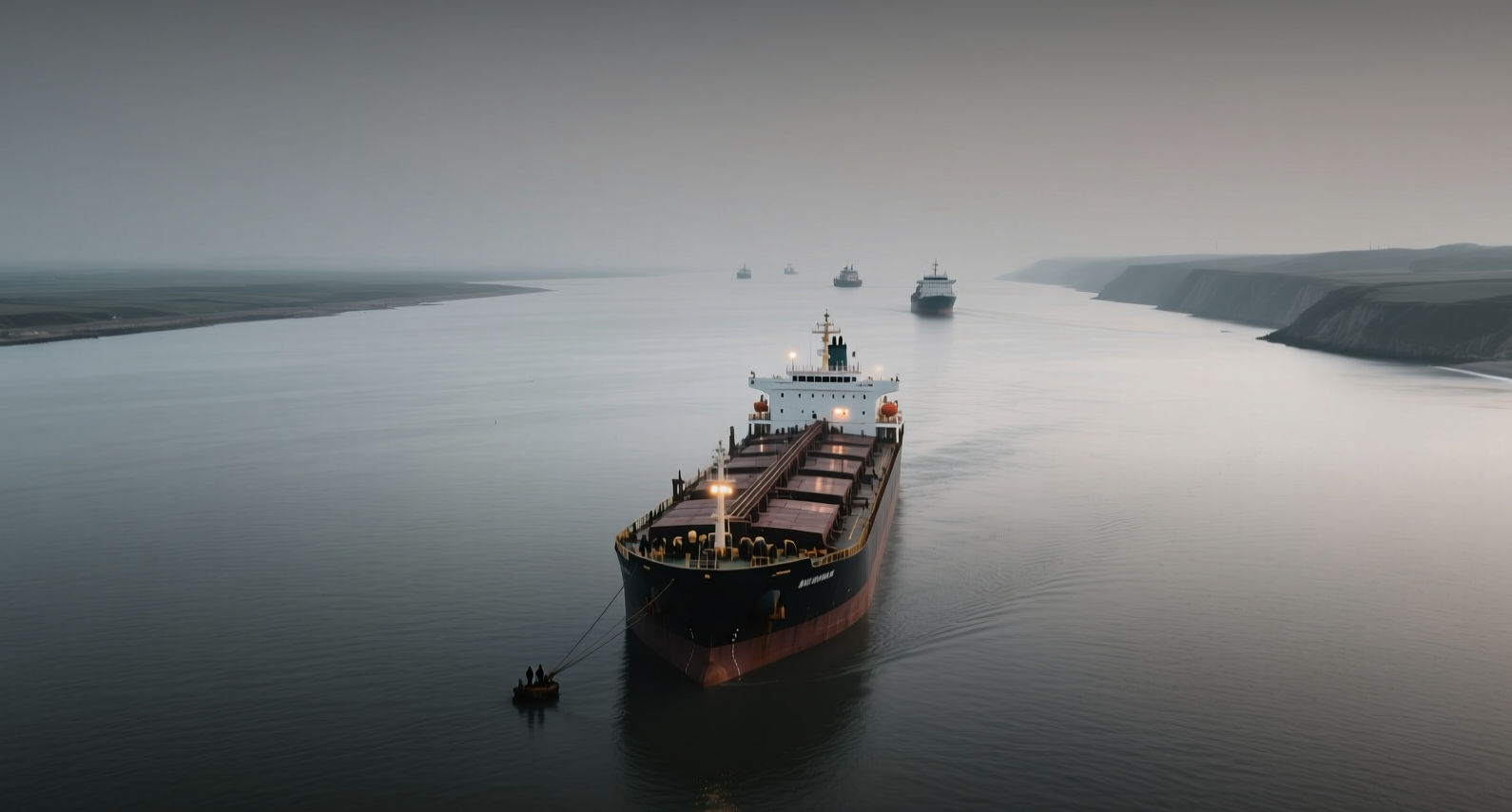
The Fordow threat carries outsized risk because the facility sits near the Strait of Hormuz, the waterway through which about 20 percent of the world's oil normally flows and which Tehran has effectively closed since the war began. Trump has threatened Fordow since July without acting, and markets have treated the repeated rhetoric as escalation rather than imminent conflict. The last time Trump floated a Fordow strike in July, Brent eased from its peak as traders judged the threat a negotiating lever. This week's resumption of direct strikes, after a month of relative calm, shows how quickly words can become action: oil futures climbed above $94 a barrel the moment the latest US barrage was announced.
The civilian toll has become a flashpoint that complicates any further escalation. Iranian officials said a US strike hit a home hosting a wedding in the southern village of Kuhestak, killing at least four people and wounding dozens, allegations Vice President JD Vance said he was "extremely skeptical" of and that Central Command said it was investigating. The exchange drew UN Secretary-General António Guterres' concern over civilian casualties, adding diplomatic pressure on Washington even as Trump warned Iran would be "hit much harder" if it retaliated.
Iran's foreign ministry has denied any nuclear activity at Fordow, with spokesman Esmaeil Baghaei calling Washington's fixation on the site "a pretext for aggression" in a July 22 statement. The denial frames the diplomatic impasse: President Masoud Pezeshkian said Tuesday the Islamic Republic would return to the interim ceasefire reached in June if Washington did the same, a deal Trump has dismissed as "not worth the paper it's written on." With midterm elections in November and the war unpopular among many Americans, the political cost of a Fordow strike may keep Trump's threat as rhetoric even as oil prices carry a widening risk premium. If the strike materializes, expect crude to push toward triple digits and a fresh bid into gold and Treasuries; if it stays verbal, Brent could pare gains as it did after the July threat.
This article is for informational purposes only and does not constitute investment advice.
