
Venezuela's possible exit from OPEC would reshape the cartel's production calculus just as Washington locks in access to 65 billion barrels of the country's crude.
Venezuela's possible exit from OPEC would reshape the cartel's production calculus just as Washington locks in access to 65 billion barrels of the country's crude.
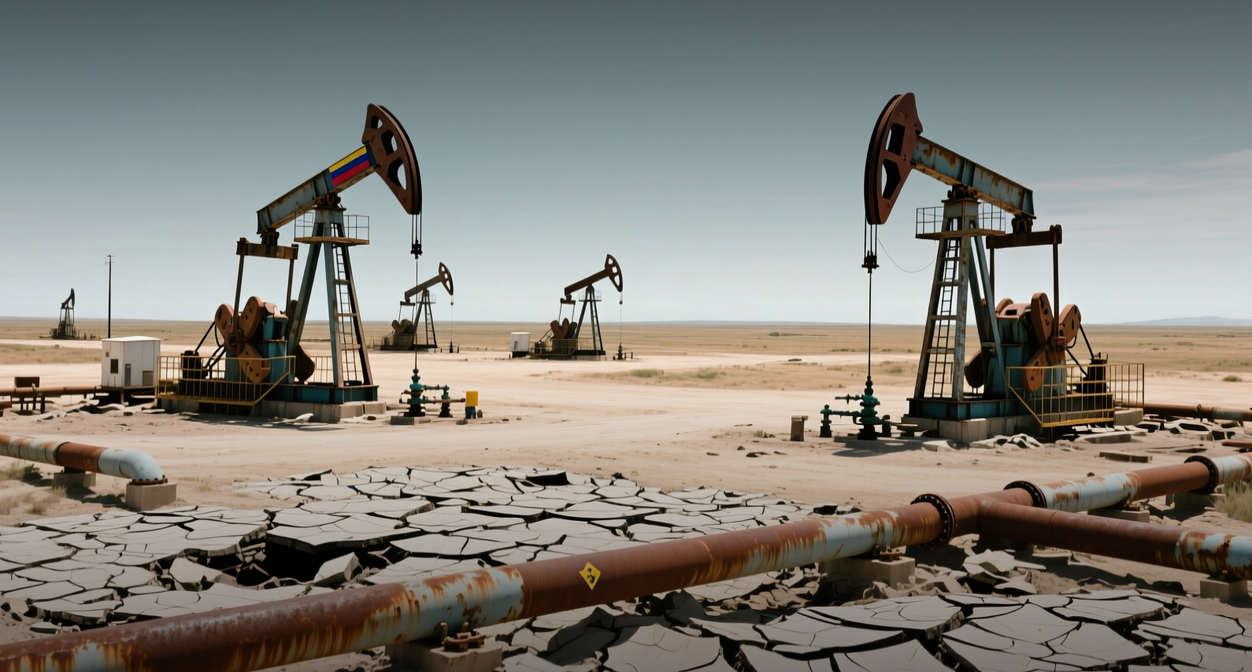
Trump said Monday that Venezuela's OPEC membership is Caracas's call, as a landmark deal granting U.S. access to 65 billion barrels of reserves reshapes cartel supply dynamics.
"There will be a lot of challenges to what was just announced," said Amos Hochstein, former senior energy adviser under President Joe Biden. "If I'm back in my old job in the next administration, then they should be nervous."
The White House confirmed North America Blue Energy Partners (NABEP), owned by Alejandro Betancourt, as the private operator in the Venezuela project. The company produces about 200,000 barrels a day, making it the second-largest private operator in the country behind Chevron. The venture holds rights to 17 fields for 100 years, becoming the world's second-largest corporate holder of proven reserves after Saudi Aramco, according to a U.S. official.
The stakes extend beyond Venezuela. Global crude prices are rising again after renewed U.S.-Iran warfare, with the national average gasoline price at $4.08, a 28 percent increase over the past year, according to AAA. If Venezuela exits OPEC, it could alter production quota negotiations and the global supply balance at a moment when the cartel faces unprecedented pressure from Washington.
Trump's remark, delivered without elaboration, leaves open whether the administration is actively pushing for Venezuela's departure or simply acknowledging the inevitable. The deal announced over the weekend gives NABEP control of vast untapped oil reserves at cost, a transaction Trump called "THE BIGGEST OIL DEAL IN WORLD HISTORY!"
Venezuelans have expressed outrage over the arrangement, and the oil industry is waiting for details on how the 100-year rights will be structured. Critics note U.S. consumers won't benefit for many years, as the infrastructure needed to bring the reserves to market remains damaged and underdeveloped.
Venezuela has been an OPEC founding member since 1960, and its departure would mark a significant realignment. The country's current production is constrained — NABEP produces about 200,000 barrels a day, a fraction of the roughly 3 million barrels a day Venezuela pumped at its late-1990s peak. But its 65 billion barrels of proven reserves represent the world's largest untapped crude base, and any shift in how those reserves are developed could affect OPEC's internal dynamics.
The timing is particularly sensitive. Treasury Secretary Scott Bessent is hosting Group of 20 finance ministers in Asheville, North Carolina, this week, pressing allies to join "economic D-Day" sanctions on Iran. The renewed U.S.-Iran conflict has kept average pump prices above $4 throughout August for the first time, according to AAA. The inflationary pressure has also reached the Federal Reserve, where Chair Kevin Warsh faces scrutiny over rate policy even as Trump has said rates are "too high."
Hochstein warned the deal is "uncharted legal and diplomatic territory" carrying "tremendous risk" for companies involved. Democrats could challenge the agreement if they regain power, as could future Venezuelan administrations. Chevron, the only U.S. oil company actively producing in Venezuela, declined to comment on the arrangement.
The White House has scheduled a meeting Tuesday with large and small refinery companies to discuss increasing America's refining capacity, with Interior Secretary Doug Burgum, Energy Secretary Chris Wright, and Jarrod Agen of the National Energy Dominance Council attending. The administration sees expanded refining capacity as essential to processing Venezuelan crude and eventually lowering consumer prices.
If Venezuela exits OPEC, it would be the first member departure since Qatar left in 2019 and would remove one of the cartel's most vocal members from quota negotiations. For U.S. consumers, the near-term impact is limited — the 65 billion barrels won't reach markets for years. But the geopolitical realignment, combined with the Iran conflict, keeps crude prices elevated and pump prices above $4, a political liability heading into November's midterms.
This article is for informational purposes only and does not constitute investment advice.
