
Trump is betting Xi and Putin's assurances outweigh evidence that China and Russia are arming Iran — a gamble that could decide the war's outcome.
Trump is betting Xi and Putin's assurances outweigh evidence that China and Russia are arming Iran — a gamble that could decide the war's outcome.
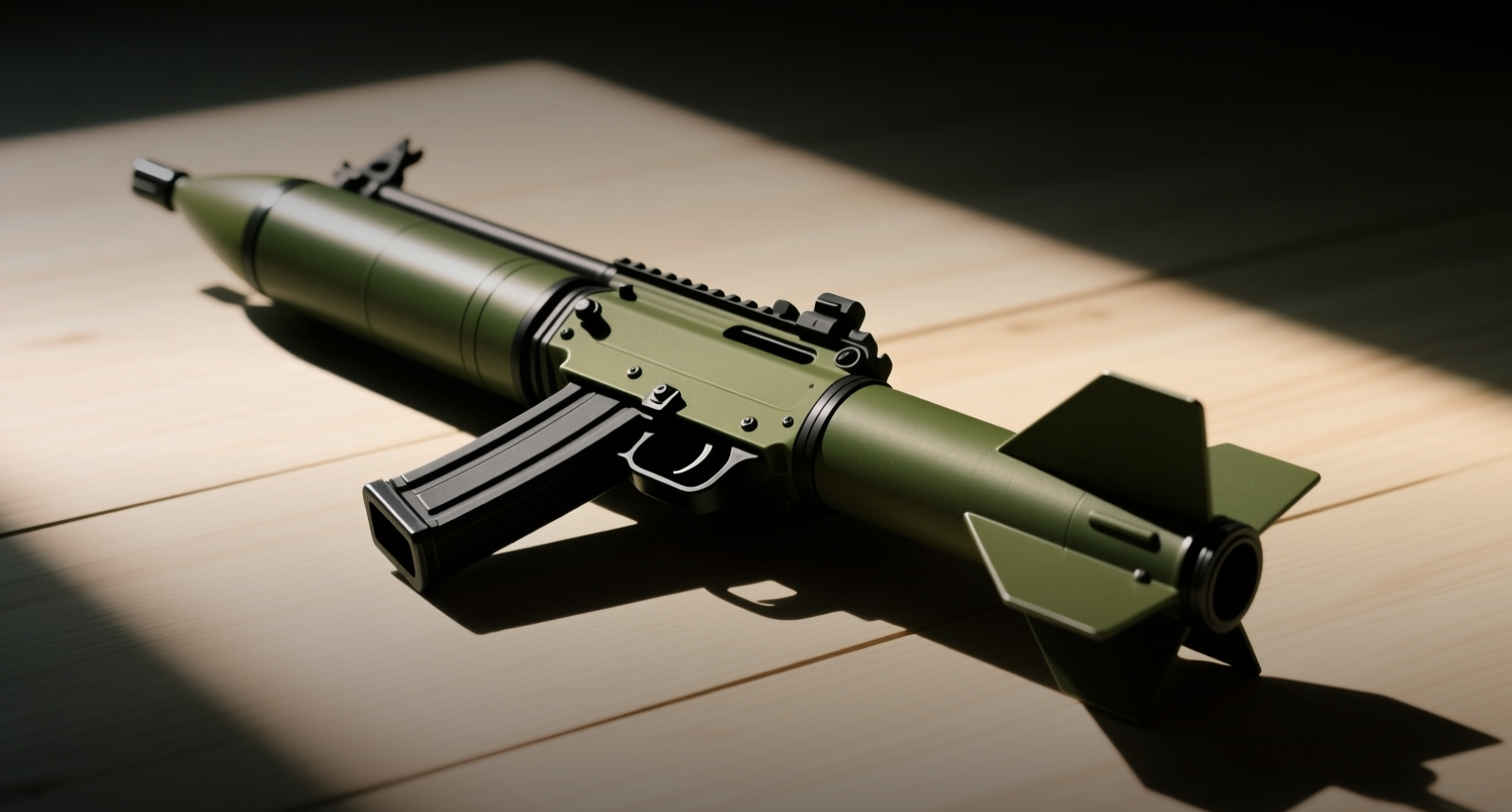
President Trump is dismissing reports that China plans to ship 400 shoulder-fired missiles to Iran, saying he trusts Xi Jinping's assurances — even as Beijing and Moscow deepen military support for Tehran's war effort.
"China, Russia, Iran and North Korea are pursuing unprecedented levels of cooperation, driven by a desire to challenge U.S. interests and stability around the world," Gen. Dan Caine, Chairman of the Joint Chiefs of Staff, testified in June 2025.
Reuters reported Iran signed a $60 million to $70 million deal with Hong Kong-based Zhongqing Baoshang International Investment for 300 to 400 Chinese-made FN-16 and QW-12 man-portable air-defense systems, with deliveries routed through Pakistan. China's Foreign Ministry called the report "completely groundless," and Pakistan's military denied involvement. Trump said Xi gave him a categorical promise during a May state visit to Beijing that China would not arm Iran "under any circumstances."
The stakes are high: the Strait of Hormuz remains effectively closed to global energy shipments, and the U.S. military has drawn down Patriot and THAAD interceptor stockpiles in the conflict, according to a Center for Strategic and International Studies analysis. If China or Russia accelerate weapons transfers, the U.S. faces a prolonged war of attrition with Iran's arsenal being rebuilt faster than it can be degraded.
Trump's response to the Reuters report was dismissive. "Things like that happen, but that would be surprising," he told reporters Wednesday. "He told me very strongly he wouldn't partake, and he knows I'd be quite disappointed."
The president has applied the same logic to Russia. Asked about Moscow providing Iran with intelligence to target U.S. bases, Trump said, "I'll ask Putin about it," adding, "I don't think they've been doing it, certainly not at a high level."
The new book "Axis of Aggressors" by the Foundation for Defense of Democracies' Bradley Bowman, Elaine Dezenski and retired Rear Adm. Mark Montgomery documents a different picture. Even during the current war, Russia provided Iran with drone and intelligence support to hit U.S. forces, while China sent missile-fuel precursors to rebuild Iran's arsenal — support that grew out of engagement with North Korea.
China's denials follow a familiar pattern. Beijing claims it does not import Iranian oil, yet shadow tankers transfer cargoes off Malaysia before reaching Chinese refineries. The Trump administration has extended Iran sanctions to China's isolated "teapot" refineries but has hesitated to climb the sanctions ladder to the state-owned enterprises that service them.
The diplomatic and military picture is deteriorating on multiple fronts. Saudi Arabia publicly joined U.S. strikes on Iranian-backed militia logistics and weapons sites in Iraq — the first such joint operation — after Houthi forces fired ballistic missiles at a Saudi oil tanker in the Red Sea. Saudi Defense Minister Khalid bin Salman met with Trump and Vice President JD Vance on Wednesday, conveying that Iran has lost leverage in Syria and Lebanon but still supports Houthis in Yemen and militias in Iraq.
Drone strikes also ignited fires on two natural gas vessels at a port in Egypt, a close U.S. ally that had been largely spared direct military action. Iran fired ballistic missiles at Jordan's Muwaffaq Salti Air Base, a key U.S. military hub, which Trump said were intercepted.
The collapse of an interim ceasefire memorandum signed in mid-June has left both sides without a path forward. Ali Vaez, Iran project director at the International Crisis Group, said senior Iranian officials were nearly unanimous in approving that memorandum — "but now none of them believe that Trump is a reliable negotiating partner."
The history of U.S.-Iran negotiations since 1979 is littered with false starts. The 2015 nuclear deal was the first major agreement between the two countries since the Algiers Accords in 1981, but Trump's withdrawal in 2018, his "maximum pressure" sanctions campaign, and the assassination of Qassem Soleimani in 2020 sent relations to new lows.
The last time the U.S. faced a comparable axis alignment was during the Cold War, when Soviet support for Iran and its proxies extended conflicts across the Middle East for decades. Today, the combination of Chinese weapons manufacturing, Russian intelligence sharing, and North Korean missile technology gives Iran a supply chain that U.S. strikes alone cannot sever.
The outcome of the Iran war will be shaped in part by axis behavior. If China facilitates the rapid rebuilding of Iran's missile arsenal and Russia helps revive Tehran's nuclear program, the U.S. faces a grinding conflict with no clear exit. Beijing is sanctions-averse, which creates leverage — but only if Washington is willing to use it. As Bowman, Dezenski and Montgomery write, support from Beijing and Moscow "may play a decisive role in determining whether the current supreme leader is the last."
This article is for informational purposes only and does not constitute investment advice.
