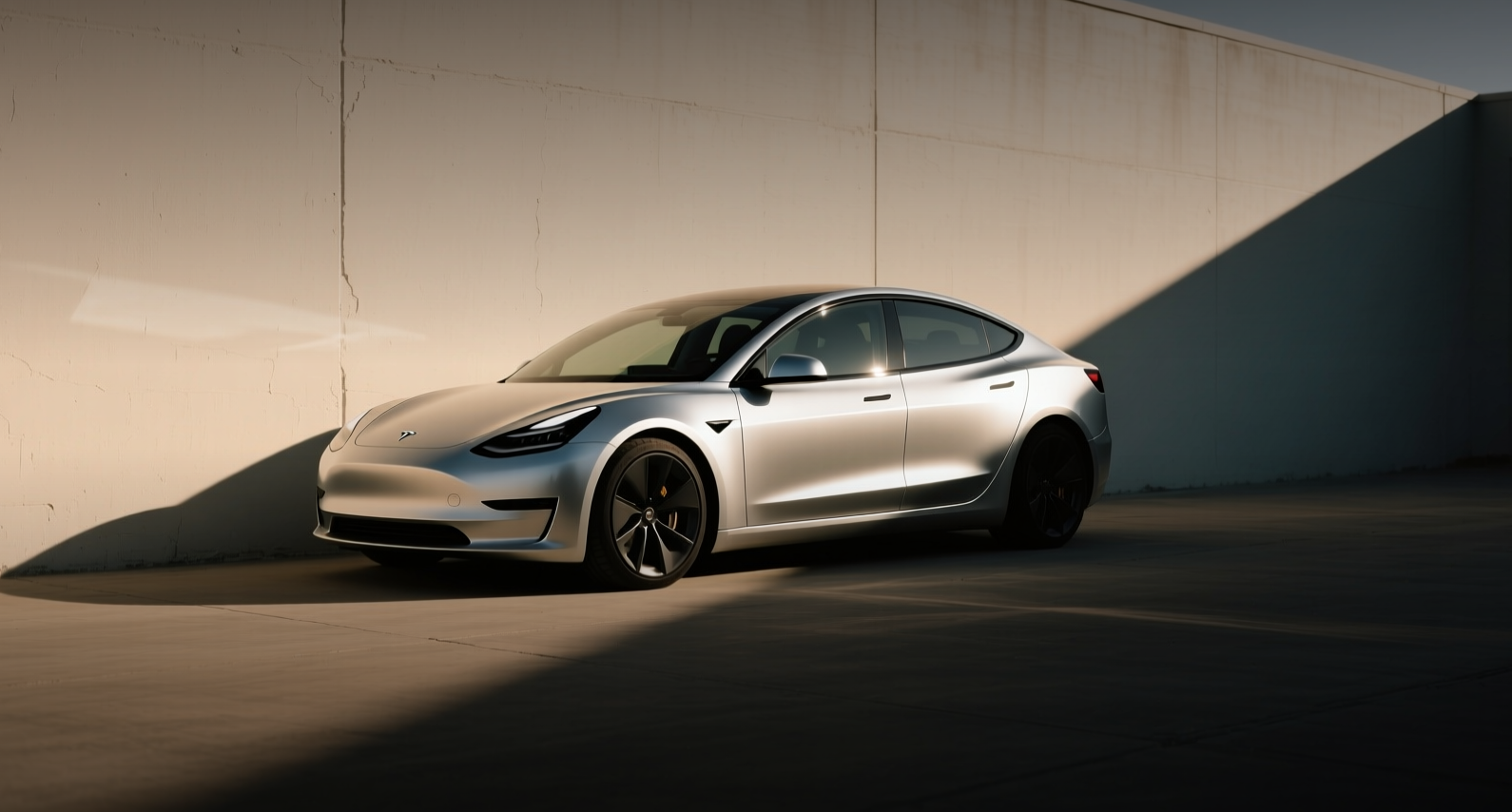
Prediction markets see a three-in-four chance Elon Musk merges his two trillion-dollar companies within three years, though Wall Street analysts see more risk than reward.
SpaceX raised $85.7 billion in its IPO seven weeks ago, a record. Now Kalshi bettors assign a 74% probability that SpaceX and Tesla will merge before May 1, 2027.
The speculation traces directly to Tesla's latest quarterly conference call, where Wells Fargo analyst Colin Langan asked Elon Musk whether the two companies would one day combine. Musk did not rule it out. "As you can tell from the many collaborations on so many fronts with SpaceX, there's more and more overlap, especially with Terafab, that's really going to be a gigantic project," Musk said, referring to a joint-venture semiconductor manufacturing project between Tesla, SpaceX, and AI startup xAI.
The operational ties are deepening. SpaceX's Starlink satellite broadband service will be integrated directly into Tesla's Cybercab, and Terafab represents a shared bet on domestic chip production. For Musk, a merger would consolidate his sprawling empire under a single corporate roof — potentially addressing investor concerns that his attention is divided across multiple ventures. Tesla shares have wavered this year as those worries persisted, despite the stock's 1,200% cumulative gain since its June 2010 IPO.
A combined Tesla-SpaceX entity would rank among the largest corporate mergers in history, with implications for the automotive, aerospace, and satellite communications sectors. Regulatory approvals would be required across multiple jurisdictions, and the deal structure — whether cash, stock, or a mix — remains entirely unspecified. For Tesla shareholders, the risk is dilution from absorbing a capital-intensive business that has yet to prove sustainable profitability.
The Cost-Benefit Question
Despite Musk pointing to "more and more overlap," the two businesses share little in the way of operational efficiencies. Tesla is an automotive and energy company; SpaceX is a launch services and satellite broadband provider. The difference between being a customer and being a corporate sibling is vast, and combining two capital-intensive businesses with different cost structures would not automatically produce savings.
SpaceX, outside of its Starlink unit, is not yet profitable. The company's IPO filing claimed a $28.5 trillion total addressable market — encompassing space-enabled solutions, connectivity, and transportation — but the business remains highly capital-intensive and prone to production delays. Tying that to Tesla's recurringly profitable operations would drag on the latter's margins.
Tesla's profitability, however, is not as sturdy as it appears. A significant portion of the company's pre-tax income has come from interest income and automotive regulatory credits — both non-recurring sources. Combining the two companies would expose how many of Musk's unfulfilled promises have been baked into the valuations of both stocks.
What a Merger Would Mean for Investors
For Tesla shareholders, the primary risk is dilution. Absorbing a capital-intensive business like SpaceX — which has yet to demonstrate sustainable profitability outside Starlink — could weigh on Tesla's earnings per share and return on equity for years. The automotive business generates recurring cash flow; SpaceX's launch and satellite operations require continuous reinvestment.
For SpaceX investors who bought into the IPO at a record $85.7 billion valuation, the calculus is different. Merging with Tesla would give them exposure to a profitable, cash-generating business — but it could also cap the upside that a standalone SpaceX might achieve as it scales Starlink and pursues its $28.5 trillion addressable market. The Terafab joint venture, which Musk described as "a gigantic project," adds a third dimension: semiconductor manufacturing, a capital-intensive industry with its own cyclical risks.
Kalshi's 74% probability suggests the market expects Musk to pursue consolidation. But on Wall Street, two negatives do not make a positive.
This article is for informational purposes only and does not constitute investment advice.