
Key Takeaways:
- SpaceX shares fell 5.1% to $137.89 on July 13
- The stock has dropped 39% from its post-IPO high of $225
- Peers Rocket Lab, AST SpaceMobile also declined in sector-wide selloff
Key Takeaways:
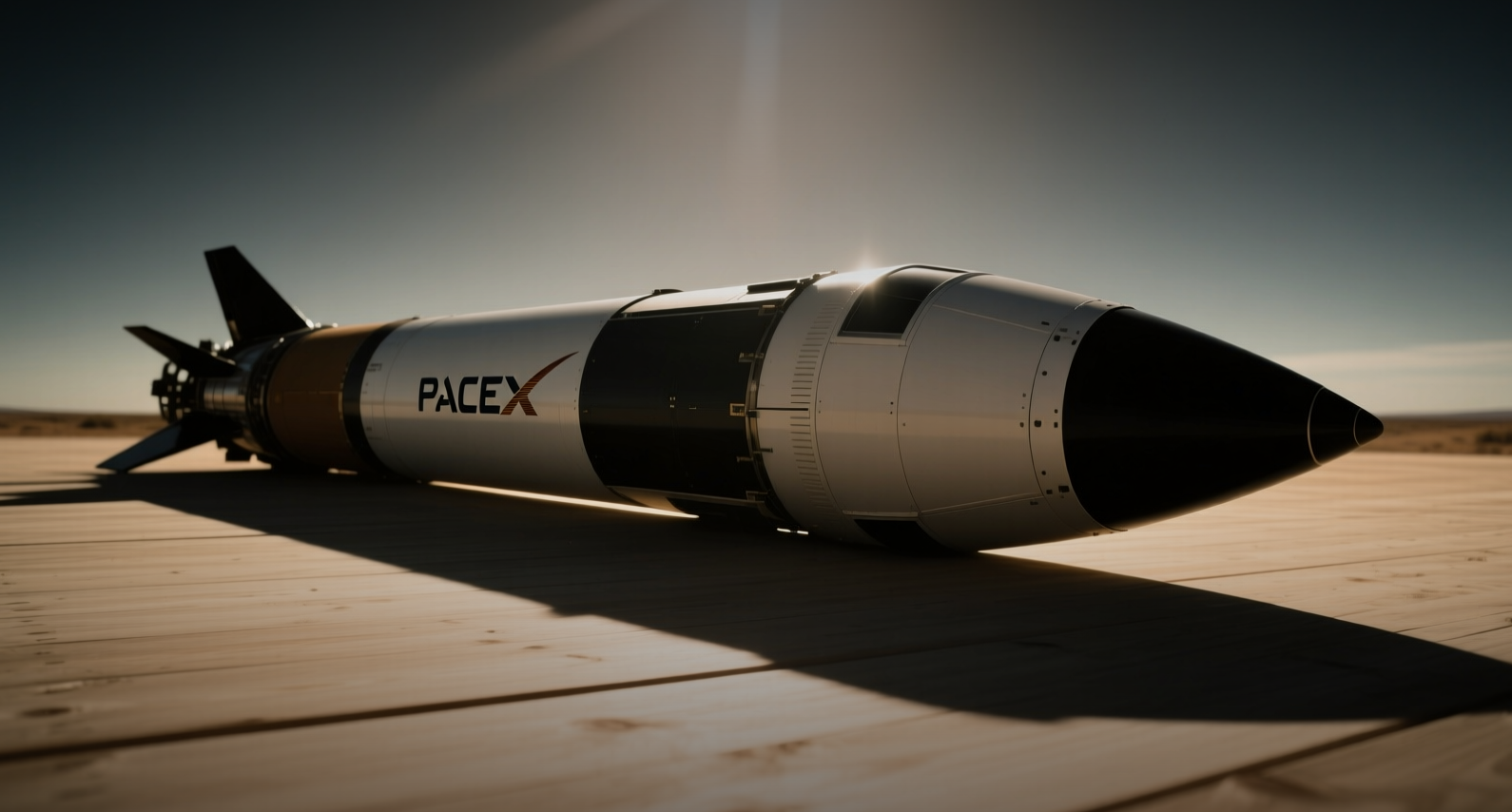
SpaceX shares fell 5.1% to $137.89 on July 13, extending a slide from its post-IPO peak as the broader space sector sold off.
"The selloff reflects profit-taking after a torrid stretch for space stocks, and it lands squarely on the highest-beta names," said Keith Snyder, analyst at investment research firm CFRA.
The decline pushed SpaceX's market capitalization to $1.81 trillion, down from its peak of roughly $3 trillion when shares hit an intraday high of $225 in late June. The stock has now fallen 39% from that high. The broader space sector also weakened, with Rocket Lab USA Inc. dropping 7%, AST SpaceMobile Inc. sliding 5% and Intuitive Machines Inc. falling 3%, according to market data.
The selloff comes ahead of SpaceX's first public earnings report, expected in early August, which will coincide with the expiration of a lock-up period that will allow employees to sell shares. Analysts at Morgan Stanley have set a $300 price target, while Raymond James's Brian Gesuale sees the stock reaching $800, implying more than 400% upside from current levels.
SpaceX went public on June 12 at $135 per share, the largest initial public offering of all time. The stock surged 19% on its first day to close at $160.95 and hit an intraday high of $225 within three weeks, briefly surpassing Amazon and Microsoft Inc. in market value. Since then, the shares have steadily declined as investors reassessed the company's revenue mix.
The company's main revenue drivers remain rocket launches and Starlink satellite broadband, though it has expanded into artificial intelligence infrastructure through capacity-leasing agreements with Google Cloud, Anthropic and Reflection AI. SpaceX earlier this year acquired Musk's AI startup xAI, renamed SpaceXAI, and began leasing data center capacity to other tech companies.
The commercial-space backlog has crossed $500 billion, and the U.S. fiscal 2027 space budget totals $59.7 billion, funding 31 launches, according to government data. SpaceX currently operates at a loss and generated $18 billion in revenue last year, according to financial disclosures required for its public listing. Chief Executive Officer Elon Musk has projected the company will pull in $1 trillion in yearly revenue by 2030.
Among the 15 largest U.S. IPOs by market value at listing, the average stock traded 2% below its IPO price after one year and dropped 23% from its IPO price at some point during the first year, according to data compiled by the University of Florida's Jay Ritter. SpaceX's performance so far has tracked that pattern, with shares now trading near their $135 IPO price.
This article is for informational purposes only and does not constitute investment advice.
