


The S&P 500's climb to 7,814.88 marks its 25th record high of 2026, powered by cooling inflation and AI-driven earnings.
The S&P 500's climb to 7,814.88 marks its 25th record high of 2026, powered by cooling inflation and AI-driven earnings.
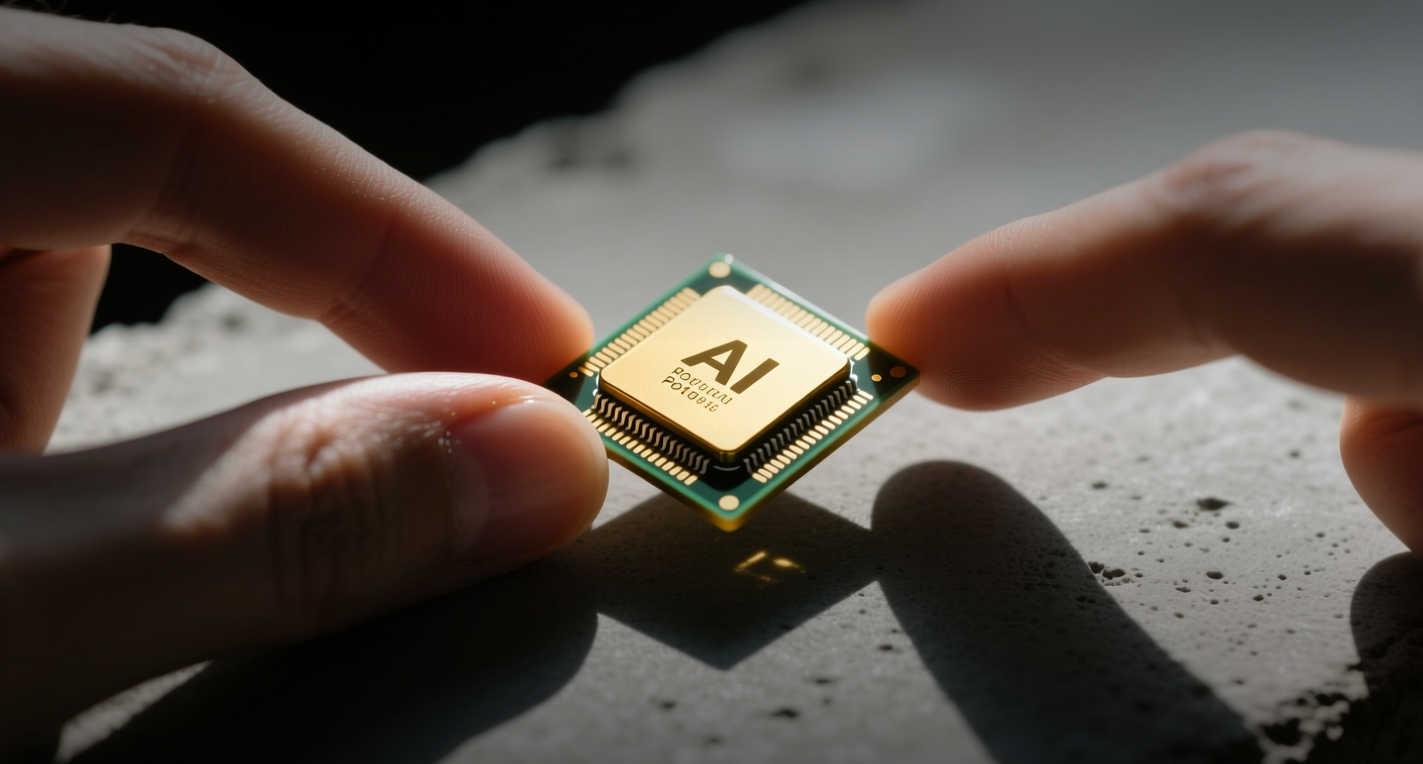
The S&P 500 hit a record 7,814.88 as July CPI rose 0.1% month-over-month, easing Fed pressure while AI chipmakers delivered blowout earnings.
"The rally in AI-linked stocks has shifted the focus from whether Big Tech's spending spree will pay off to the kind of companies that will deliver returns over the longer term," investors said.
The advance was broad-based, with the Russell 2000 small-cap index also reaching record highs. Technology led sector gains, with AMD surging 6.5% after reporting 50% revenue growth in Q2, while Micron added 2.3% and SanDisk jumped 7.4% on memory chip demand. Energy lagged as oil prices retreated from recent highs. The 10-year Treasury yield slid to approximately 4.61% from 4.73% earlier in the month, supporting growth valuations.
The rally faces its next test this week as Home Depot, Target, Lowe's, and Walmart report earnings, providing a read on consumer spending that accounts for roughly two-thirds of U.S. GDP. The Federal Reserve's July meeting minutes, due Wednesday, will offer clarity on the path of interest rates through year-end.
The July CPI report delivered the smallest monthly increase in months, with headline inflation at 3.3% annually and core CPI at 2.5% year-over-year — the closest reading to the Fed's 2% target since the disinflationary trend began. The Producer Price Index held flat in July, further easing pipeline inflation concerns. Bond markets responded with the 10-year Treasury yield sliding from 4.73% to approximately 4.61%, while the yield curve showed signs of normalization. Market pricing reflects expectations that the Fed will hold the federal funds rate at 3.50%-3.75% for a fifth consecutive meeting in September, though the probability of rate cuts later in 2026 has increased. The July jobs report showed unexpected weakness in nonfarm payrolls, with unemployment ticking up to 4.1%.
Nvidia maintains a consensus Strong Buy rating from 58 of 61 covering analysts, with an average 12-month price target of $302-304 implying approximately 47% upside. The company trades at 25 times forward earnings — below its historical average of 35 times — despite projections of 43% revenue growth next year and EPS rising from $9.00 to $12.89. AMD has emerged as a value alternative, trading at 27-28 times forward earnings with a PEG ratio of 0.4-0.5. The company projects 64% EPS growth in 2026, driven by its MI300 series AI accelerators. Memory producers Micron and SanDisk have benefited from supply constraints, with Micron telling investors that memory chip tightness won't subside until at least 2028. Nvidia expects over $1 trillion in data center capital expenditures in 2027, up from a projected $650 billion in 2026, according to the company's guidance.
Home Depot reports Tuesday, followed by Target and Lowe's on Wednesday, with Walmart closing out the week on Thursday. Census data shows retail sales fell 0.6% from June to July, down from 0.2% growth in June and roughly 1% in May. Oppenheimer expects Home Depot to report earnings of $4.66 per share on revenue of $47.2 billion, a 4.2% year-over-year increase. Oppenheimer recently downgraded Walmart to Perform from Outperform, citing anticipated comparable sales growth of 3% versus the Street's 3.8% consensus.
The broadening of market leadership beyond mega-cap technology — with the Russell 2000 at record highs and the equal-weight S&P 500 outperforming — suggests the rally has room to run if earnings continue to justify valuations. However, the softening retail sales data and the Fed's data-dependent stance mean the path forward is not without risk. The next events to watch are the FOMC minutes on Wednesday and Nvidia's earnings on August 26, which will set the tone for technology stocks through year-end.
This article is for informational purposes only and does not constitute investment advice.
