

Ripple's MiCA authorization positions it to compete for European cross-border payment flows against a growing roster of regulated crypto firms.
Ripple's MiCA authorization positions it to compete for European cross-border payment flows against a growing roster of regulated crypto firms.
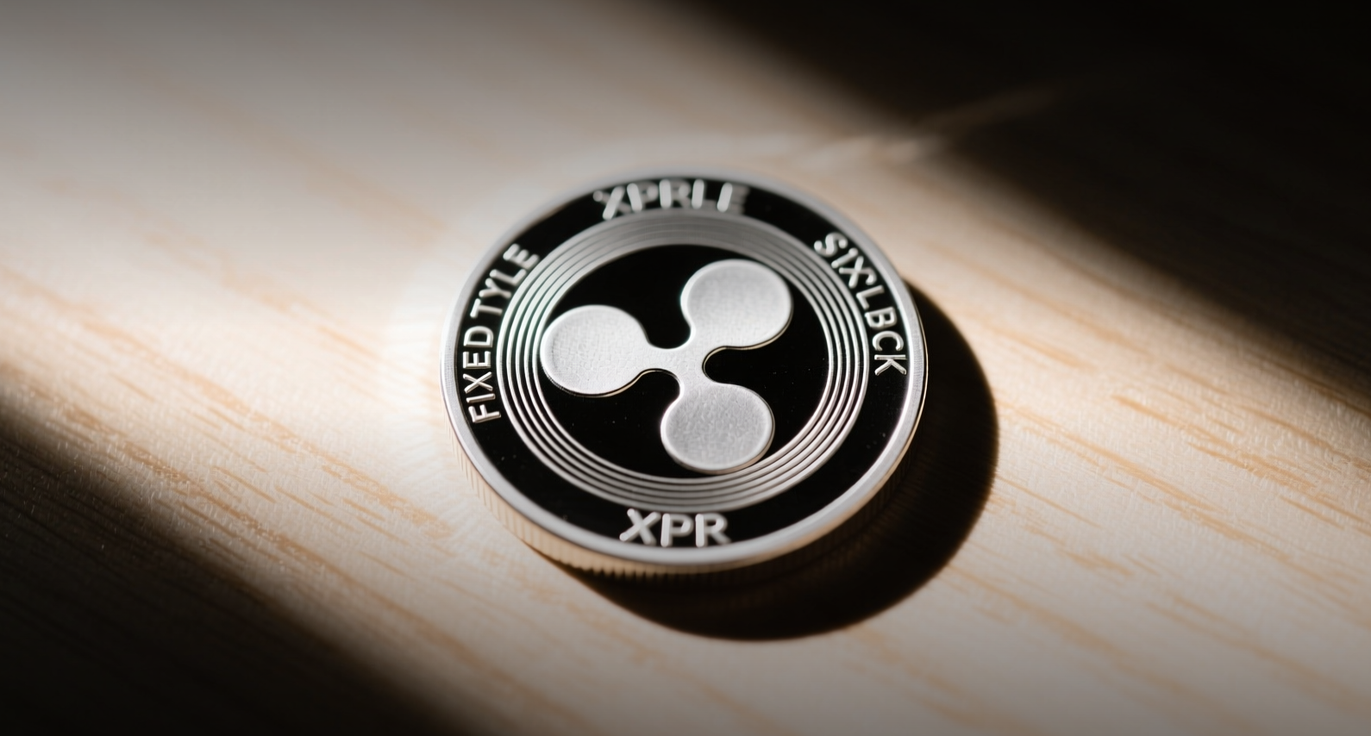
Ripple's MiCA authorization positions it to compete for European cross-border payment flows against a growing roster of regulated crypto firms.
Ripple obtained a full Markets in Crypto-Assets license from Luxembourg regulators on July 20, authorizing the company to offer regulated digital asset services across all 30 European Economic Area countries.
The license, granted by the Commission de Surveillance du Secteur Financier, allows Ripple to passport services throughout the EEA under MiCA's single regulatory framework, covering cross-border payments, digital asset custody and exchange services.
Ripple joins a growing list of crypto firms securing MiCA authorization since the regulation took full effect. BitPay received its MiCA license from the Dutch Authority for the Financial Markets on the same day, while exchanges and custodians have increasingly sought licenses in the Netherlands, France, Germany, Luxembourg and Denmark to access the broader European market.
For Ripple, the approval removes a key regulatory overhang in Europe, where the company's XRP token has faced legal uncertainty since the U.S. Securities and Exchange Commission lawsuit. The license opens the door to partnerships with European banks and payment providers seeking regulated digital asset settlement rails, a market that consulting firm BCG estimates could reach $2 trillion in transaction value by 2030.
MiCA reshapes Europe's crypto market
The regulatory framework, which replaced fragmented national regimes across 27 EU member states plus three EEA countries, has become a competitive differentiator for licensed firms. Companies operating under MiCA benefit from a single rulebook covering stablecoin issuance, custody, exchange operations and payment processing, eliminating the need for separate licenses in each jurisdiction.
Ripple's European expansion strategy centers on its RippleNet payment network, which uses XRP as a bridge currency for cross-border settlements. The MiCA license provides regulatory cover for European financial institutions to use the network without navigating uncertain legal status for the token.
Compliance costs create barriers for smaller players
The cost of obtaining and maintaining MiCA compliance, including capital requirements, governance standards and reporting obligations, has created a barrier for smaller crypto firms, potentially consolidating market share among well-funded players like Ripple and BitPay. Industry estimates put the annual compliance cost for a mid-size crypto firm under MiCA at $5 million to $10 million.
The Luxembourg authorization also positions Ripple to compete for European central bank digital currency projects, as several EU member states explore CBDC pilots that could integrate with licensed payment infrastructure. Ripple has previously partnered with central banks in Palau and Montenegro on digital currency trials.
This article is for informational purposes only and does not constitute investment advice.
