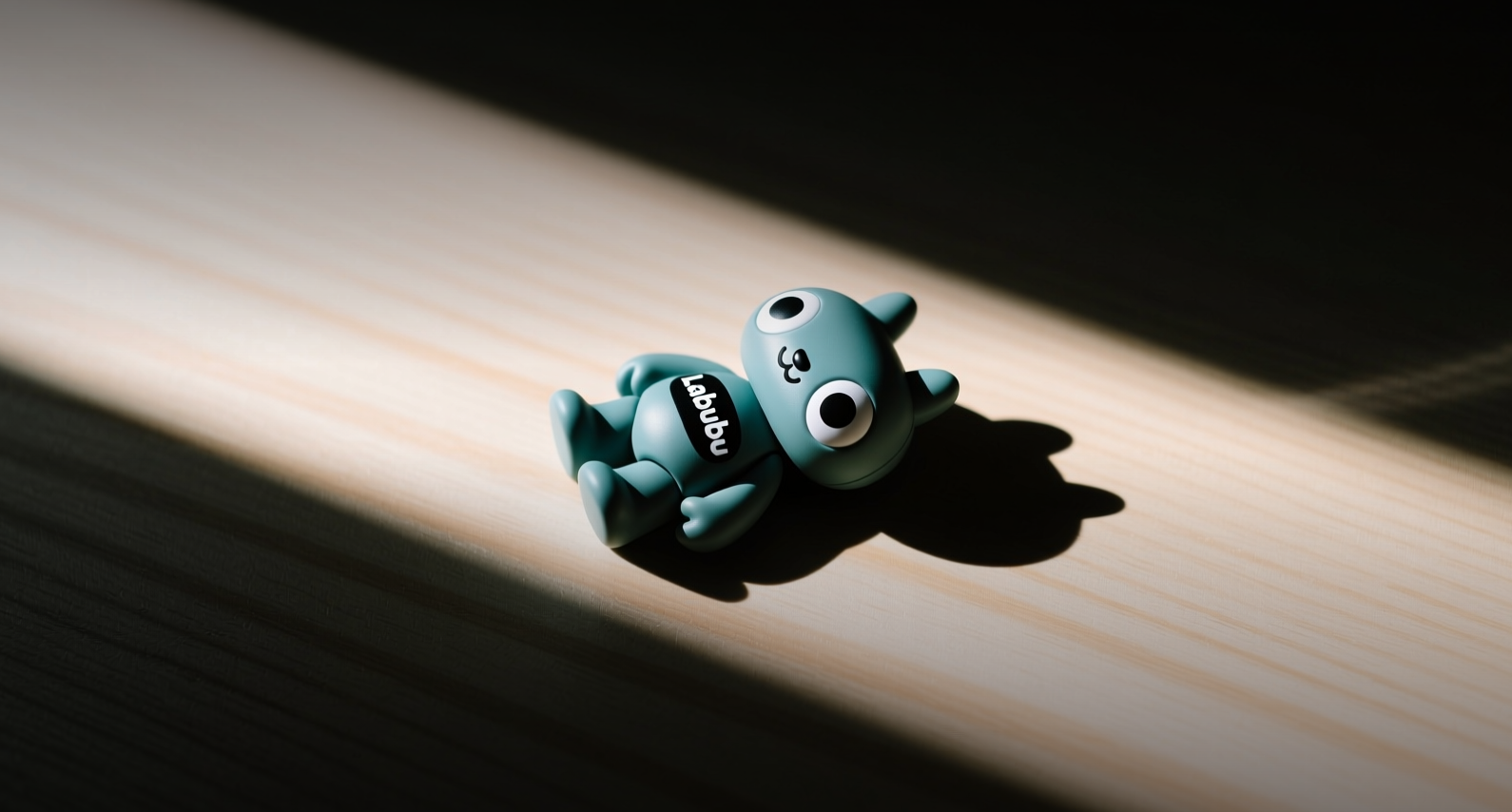
Pop Mart's H1 revenue rose 24% to 17.17 billion yuan ($2.55 billion), missing consensus for 37% growth as Labubu demand cooled.
"We encountered more difficulties than expected in the first six months," Chief Executive Wang Ning said on an earnings call Thursday, warning the company will likely miss its 20% annual revenue growth target. Wang said last year's high base has created pressure, and the second half will be harder than the first.
Net profit rose 10% to 5.04 billion yuan, also undershooting consensus views. Overseas revenue dropped 11% year over year, weighing on gross profit margin. The Monsters collection — which includes the jagged-tooth Labubus — accounted for about a quarter of total sales, down from roughly one-third a year earlier.
Pop Mart's Hong Kong-listed shares are down nearly 20% this year after doubling in 2025 and more than quadrupling in 2024. The company announced a share buyback of 2 billion to 5 billion yuan and is betting on new IP Twinkle Twinkle, which grew sales fivefold and now contributes about 15% of group revenue.
Wang attributed the weaker performance to tepid consumer demand and geopolitical tensions. He said the company is treating 2026 as a business adjustment year, prioritizing long-term development over sales growth. "The business is now much healthier," Wang said.
Analysts remain split on the durability of Pop Mart's business model. Deutsche Bank's Sammi Xu noted that demand for the latest generation of Labubus with long, styleable hair has been much tamer than previous iterations, while social media buzz has faded. If that continues, Pop Mart may need a new product format or another celebrity-endorsed character to reignite consumer interest, Xu said.
Morningstar's Jeff Zhang takes a more optimistic view. "We believe Pop Mart has strong potential to become an IP powerhouse," Zhang said, adding that resale prices for Labubus do not reflect the underlying strength of the business. He pointed to repeat-purchase and membership data as better indicators of real fan engagement.
The results mark a sharp deceleration from the threefold revenue growth Pop Mart delivered a year earlier, when the Labubu craze pushed its market capitalization past $56 billion at one point. The Beijing-based company's ability to replicate that success with Twinkle Twinkle will determine whether the stock can recover its momentum. Investors will watch second-half sales data for signs of stabilization.
This article is for informational purposes only and does not constitute investment advice.