
The MiCAR transition created a hard line between licensed and unlicensed crypto firms, and OSL Group landed on the right side.
The MiCAR transition created a hard line between licensed and unlicensed crypto firms, and OSL Group landed on the right side.
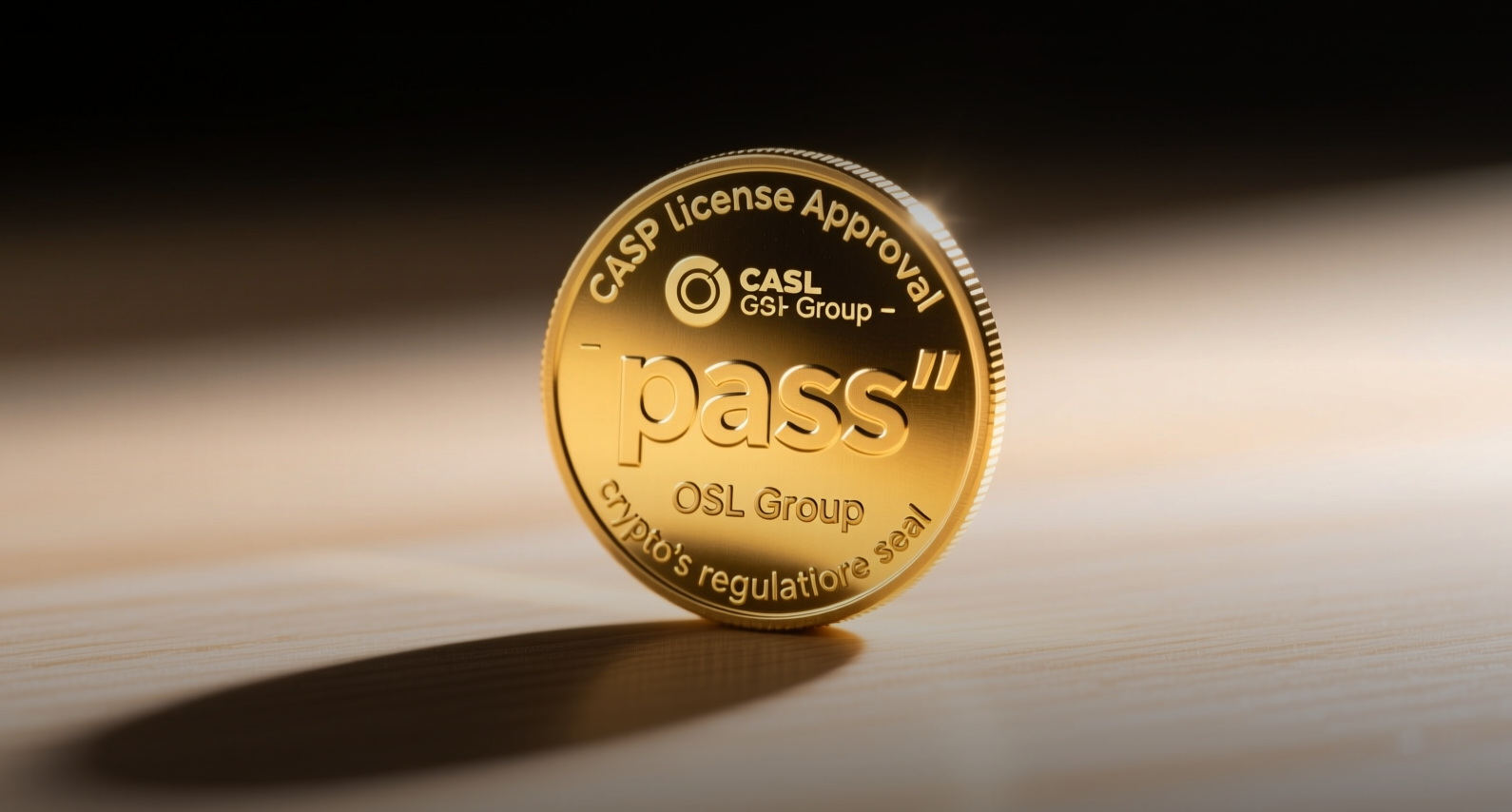
The MiCAR transition created a hard line between licensed and unlicensed crypto firms, and OSL Group landed on the right side.
OSL Group's European subsidiary secured authorization as a Crypto-Asset Service Provider from Austria's Financial Market Authority under the European Union's Markets in Crypto-Assets Regulation, the Hong Kong-listed firm said July 9. The license lets OSL passport regulated digital asset services — custody, spot trading, on- and off-ramp conversion and asset transfers — across all 30 countries of the European Economic Area under a single authorization.
"MiCAR is the most demanding test the global crypto industry has faced, and the results are now on the record: fewer than one in five previously registered firms successfully transitioned to full CASP authorization, and some of the largest names in the industry are not on the list," said Chagri Poyraz, Chief Strategy Officer at OSL Group. "Clearing it is not a marketing line. It is evidence that a firm's governance, controls and compliance actually hold up under a regulator's scrutiny."
Of more than 1,200 crypto firms that held national registrations across the EU, only about 210 — roughly 17 percent — converted to full CASP authorization by the July 1 deadline, according to OSL citing regulatory data. Narrowed to trading platforms, the field is smaller still, with just 14 platforms reportedly holding an EU-wide exchange license. The rest have exited or lost the legal right to serve EU clients, and several of the industry's largest names are not among those authorized.
The milestone places OSL Group in a rare tier of firms operating under two of the most stringent digital-asset frameworks: Hong Kong's Securities and Futures Commission regime, where OSL Digital Securities was among the first licensed virtual-asset platforms, and now Europe's MiCAR. The group parent is listed on the Hong Kong Stock Exchange under ticker 863 and holds or is pursuing more than 50 trading and payment licenses worldwide across Asia, Australia, the United States, Canada and Europe. The Austrian authorization complements a separate MiCAR license already held in the Netherlands by another OSL subsidiary, EU Internet Ventures B.V.
The MiCAR shakeout and the flight to quality
The July 1 transition deadline has reshaped Europe's crypto market. Regulators confirmed no interim status and no extension, making MiCAR a hard cutoff rather than an aspiration. The European Securities and Markets Authority launched its first supervisory sweep of licensed crypto firms on July 8, targeting custody resilience — governance, key and storage management, transaction controls, smart contract vulnerabilities and reliance on third-party providers — with national reviews starting late 2026 and consolidated findings due in the second half of 2027.
The timing handed regulators a live example of what failed custody costs users. Crypto exchange AscendEX ceased operations on July 1, citing MiCA, a failed financing deal and market pressure, with frozen withdrawals and no assurances on timing or amounts. The exchange had suffered a $77.7 million hot-wallet hack in December 2021. ESMA had urged users of unlicensed platforms to move assets to authorized providers or self-hosted wallets, warning they hold no MiCA protections.
"Building on our Hong Kong foundation, our recent Australian license, and our authorizations across Asia and the Americas, this is what long-term, institution-grade infrastructure looks like," said Kevin Cui, Executive Director and Chief Executive Officer of OSL Group. "As the industry consolidates around the platforms that did the work properly, we intend to be one of the names that lasting trust is built on."
For institutions choosing a crypto partner, the dual regulatory standing — licensed under both Hong Kong's SFC and Europe's MiCAR — serves as a differentiator in a market where most platforms failed to clear either bar. The authorization strengthens OSL's ability to open European banking relationships, access local payment rails and win enterprise counterparties who will only work with fully regulated entities. With the MiCAR transition complete and enforcement now beginning, the European market is set to become more concentrated, more institutional and anchored by the select number of platforms that hold a license.
This article is for informational purposes only and does not constitute investment advice.
