
U.S. forces struck two Iranian rocket launchers in the Strait of Hormuz on Sunday, ending a month-long pause and pushing crude prices higher.
U.S. forces struck two Iranian rocket launchers in the Strait of Hormuz on Sunday, ending a month-long pause and pushing crude prices higher.
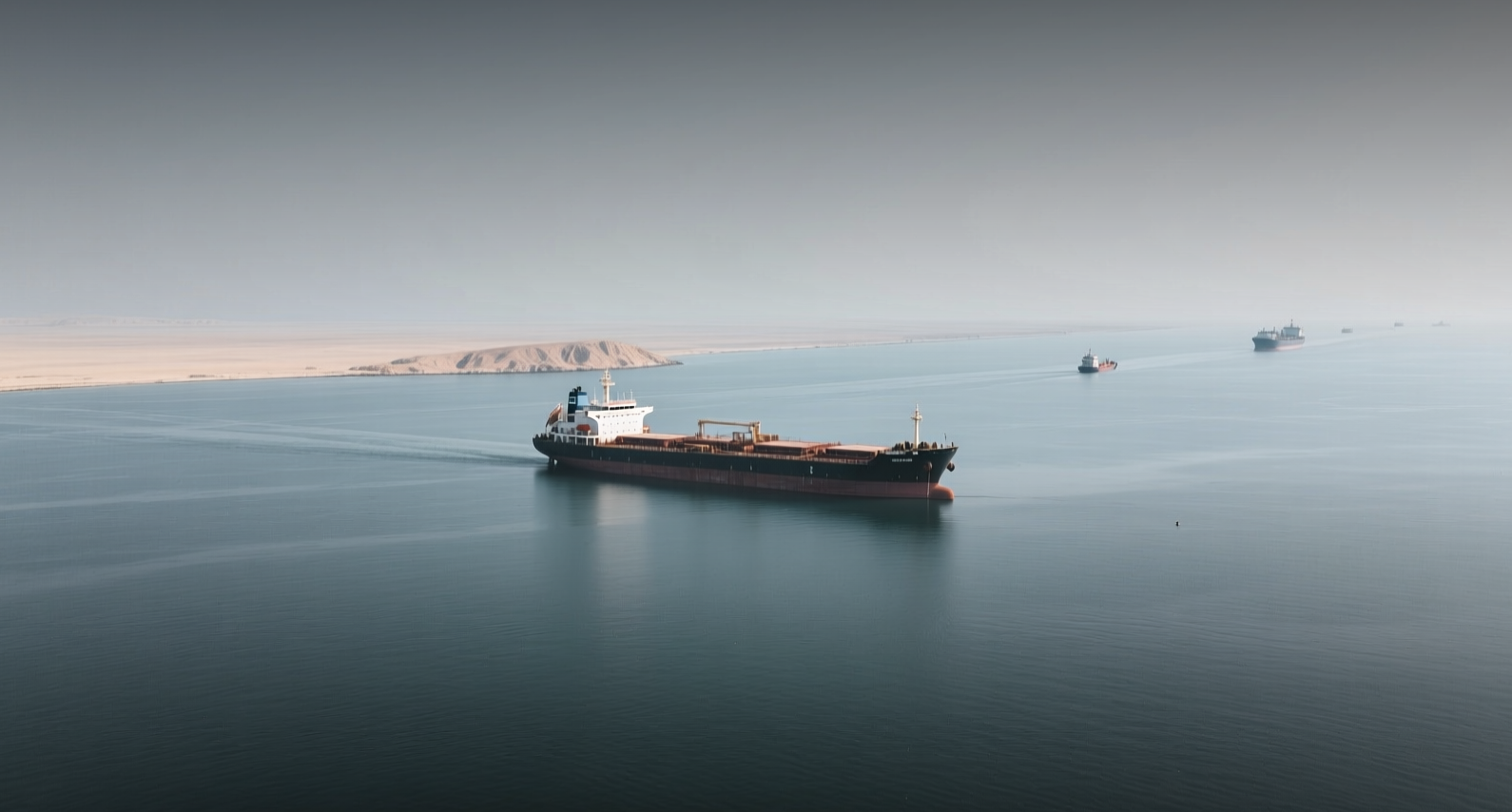
WTI crude rose 1.7 percent to $84.84 a barrel after U.S. forces struck two Iranian rocket launchers in the Strait of Hormuz on Sunday, the first American military action in a month.
"U.S. forces are monitoring the area closely and remain prepared to protect the free flow of commerce through this essential waterway," Navy Captain Tim Hawkins, spokesperson for U.S. Central Command, said. The launchers, operated by Iran's Islamic Revolutionary Guard Corps, were observed preparing to fire rockets carrying sea mines into the strait when they were struck.
Brent crude, the international benchmark, rose 1.8 percent to $88.70 a barrel. The strike came days after CENTCOM completed clearing sea mines from the strait's international shipping routes, and roughly a week after President Donald Trump warned that "any ship or boat placing new mines will be immediately and systematically destroyed." Iran's IRGC vowed retaliation, and Iranian state television showed ballistic missiles fired at U.S. bases in Jordan, eight of which were intercepted by Jordanian forces early Monday.
The Strait of Hormuz carries roughly one-fifth of the world's oil, and traffic through the waterway has collapsed to about 24 vessels last week from roughly 130 daily before the war began Feb. 28. Iran has suffered an estimated $270 billion in direct and indirect damage from the U.S.-Israel campaign, but retains enough drones and missiles to threaten transiting vessels — and has used that leverage to keep oil markets on edge.
The attack breaks a lull that began Aug. 1, when Trump ordered the military to hold off on new strikes at the urging of Gulf allies Qatar, Saudi Arabia and the United Arab Emirates. The last confirmed U.S. action was July 29, a "heavy wave of strikes" on dozens of Revolutionary Guard targets including coastal surveillance and defense sites. The month-long pause had been seen as a potential opening for de-escalation, with Qatari mediators shuttling between Washington and Tehran.
The renewed fighting comes just days after the Trump administration said it would shift focus to economic pressure rather than military action to end the war. That strategy centers on threats to punish any country or entity that continues to conduct business with Tehran. The pivot reflected concerns about diminished munitions stockpiles after months of conflict, raising questions about U.S. military readiness in other regions.
Iran's IRGC called Sunday's attack a "fatal mistake by the Trump regime during the economic war" and said the enemy "will pay the consequences militarily and economically," according to a statement carried by Iranian media. The Guard confirmed casualties among its fighters and civilians on Larak Island. Semiofficial news outlets in Iran reported sounds of explosions near the island, which sits at the eastern entrance to the strait.
Trump has repeatedly declared that the "Strait of Hormuz is open," but the 24 vessels that transited last week represent a fraction of pre-war volumes. A multinational coalition overseen by the U.S. Navy said commercial traffic remained at "reduced levels," and the U.K. Maritime Trade Organization reported an unknown projectile struck a tanker north of Khasab, Oman, on Saturday. No casualties or environmental impact were reported.
The U.S. military said it had redirected 83 commercial vessels and disabled three under its blockade of Iranian ports. Tehran continues to assert that the U.S. cannot use the strait until it fulfills obligations under a memorandum of understanding signed with Oman in mid-June, which would bar military ships from the waterway. Iran has also signaled defiance through recent appointments to its senior security leadership, weathering decades of sanctions and domestic dissent.
The escalation raises the stakes for global energy markets. Before the war, the strait handled roughly 20 million barrels of oil per day. With shipping at a fraction of that level, any sustained disruption could push prices sharply higher, feeding inflation pressures across major economies and squeezing energy-dependent sectors from airlines to petrochemicals. Trump said last week he's "not in a hurry" to get Iran back to the negotiating table, suggesting the conflict could grind on for months — a scenario that keeps a geopolitical risk premium embedded in crude prices.
This article is for informational purposes only and does not constitute investment advice.
