
Brent slid 3% to $89.40, a 12-day low, as Tehran said it has a two-year plan to weather Washington's 'economic D-Day' sanctions.
Brent slid 3% to $89.40, a 12-day low, as Tehran said it has a two-year plan to weather Washington's 'economic D-Day' sanctions.
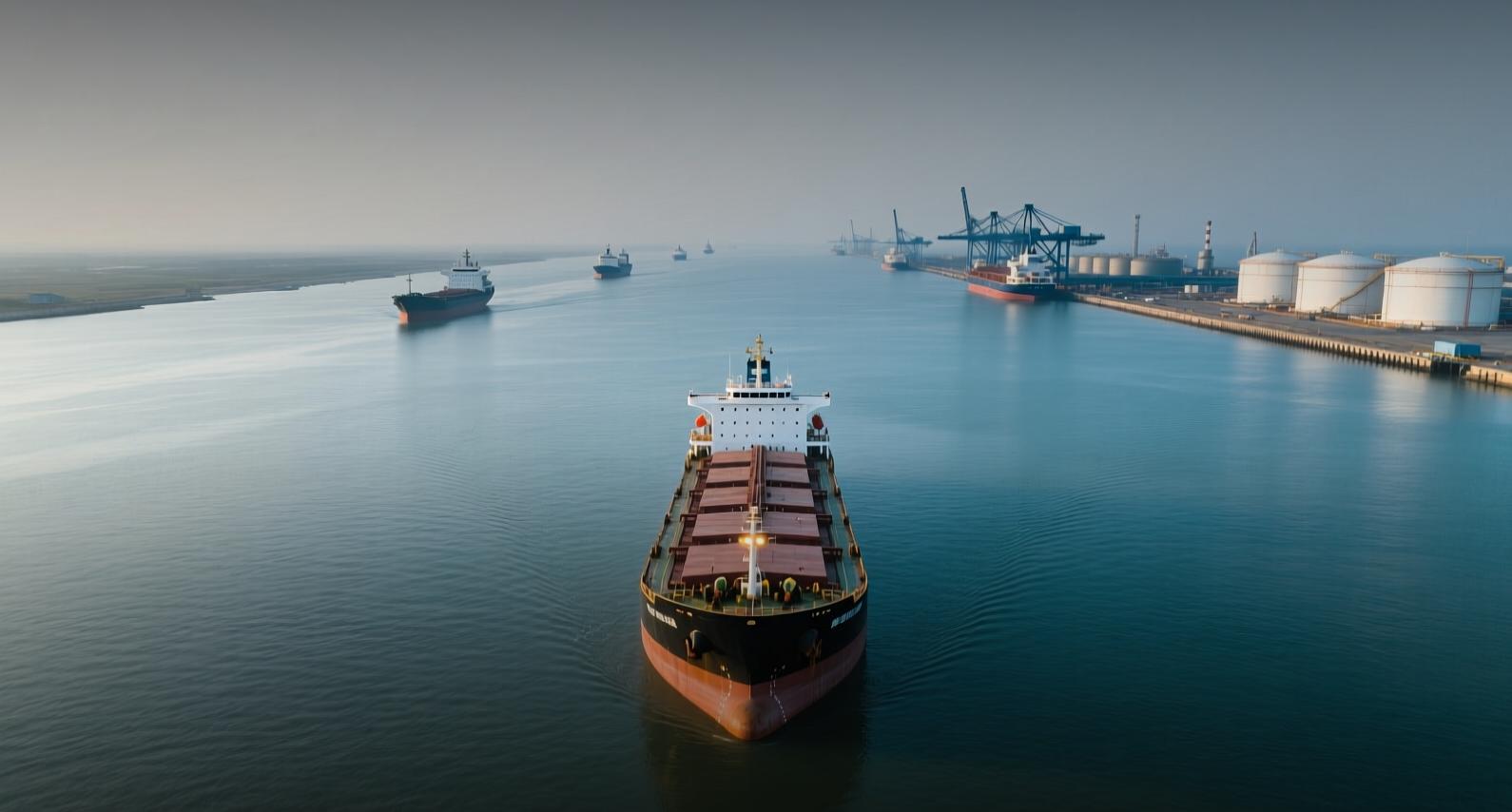
Brent crude fell 3% to $89.40 a barrel Tuesday, its lowest since Aug. 13, as investors shrugged off supply risks and Tehran said it has a two-year plan to withstand Washington's "economic D-Day" sanctions campaign.
"The government is and was ready and has a two-year plan to manage these events," Ali Madanizadeh, Iran's economy minister, said on state television. "We have our own tools and we know how to play the game."
U.S. West Texas Intermediate crude fell 3.2% to $82.32 a barrel, extending Monday's 3% decline in Brent. The White House has labeled its pressure campaign an "economic D-Day," with Treasury Secretary Scott Bessent calling it "the single greatest financial offensive ever." Defense Secretary Pete Hegseth said further American strikes in the Middle East remain on the table. "If we need to use kinetic strikes, we'll use them," he told reporters Monday.
The standoff carries direct consequences for global energy flows. Washington's new sanctions target Iran and the "enablers" that continue trading with it — a category that includes China, one of Tehran's largest crude buyers. Beijing said it would "do everything necessary to firmly safeguard its rights and interests," setting up a potential clash over secondary sanctions that could reshape oil trade routes.
The price action marks a notable reversal from late July, when Brent surged 7% to $90.25 a barrel as the Strait of Hormuz closure triggered fears of a supply crunch. Since then, crude has given back those gains as traders priced in a prolonged but contained standoff rather than a full-blown disruption of the waterway that carries roughly one-fifth of global oil consumption. Gold, meanwhile, has climbed to $4,690 an ounce, and the S&P 500 sits near record highs at 7,653 — evidence that investors view the conflict as contained to energy markets rather than a systemic shock.
Iran's public posture of preparedness appears designed to blunt the psychological impact of the sanctions package. Madanizadeh's comments follow weeks of escalating rhetoric: Washington has already redirected 70 commercial vessels during its naval blockade of the strait, according to U.S. Central Command, and maritime traffic through the chokepoint has fallen sharply since the blockade resumed in early August.
China's response is the wildcard. Foreign Ministry Spokesperson Lin Jian said Beijing's cooperation with Iran is conducted within the framework of international law and "should not be disrupted." That stance puts Washington in a difficult position: secondary sanctions on Chinese buyers of Iranian crude could escalate trade tensions at a moment when the U.S. is already managing a 10% blanket tariff regime under Section 122 of the Trade Act of 1974, which expires or requires congressional renewal by July.
The last time Washington imposed secondary sanctions on Iranian oil buyers at scale was during the 2018-2019 "maximum pressure" campaign, which cut Iranian crude exports from roughly 2.5 million barrels a day to below 500,000. Iran's current export levels are estimated in the 1.5 million to 1.8 million barrels-a-day range, giving the regime more cushion but also making the stakes higher for China, which absorbs the bulk of those volumes.
Beyond geopolitics, physical supply is tightening. Kazakhstan's oil transit via the Druzhba pipeline to Germany will remain suspended for at least three months, Energy Minister Yerlan Akkenzhenov said Tuesday, while planned maintenance at the Karachaganak field is expected to cut Kazakh output by 400,000 to 450,000 tons. Kazakhstan has also trimmed its 2026 production plan to 96 million tons following drone attacks on the Caspian Pipeline Consortium terminal.
These supply constraints suggest the downside for crude may be limited even if the Iran standoff de-escalates. Argus Research's base case for 2026 GDP growth of 2.1% and S&P 500 earnings of $340 per share assumes oil prices moderate from current levels, but the firm notes that "stasis in which the strait remains closed is not a healthy condition, as global stocks of petroleum products continue to work steadily lower."
For traders, the key question is whether Iran's two-year plan is rhetorical or operational. If Tehran can maintain exports through non-dollar channels and Chinese buyers absorb the risk, the sanctions may prove less disruptive than Washington hopes. If enforcement tightens and China blinks, crude could retest the $90 level and beyond.
This article is for informational purposes only and does not constitute investment advice.
