WTI crude slid 3% to $82.44 a barrel Tuesday, its biggest one-day drop in three weeks, as traders dismissed Treasury Secretary Scott Bessent's "economic D-Day" sanctions on Iran as unlikely to choke off global supply.
WTI crude's October contract fell about 3% to $82.44 a barrel Tuesday, its largest one-day decline in three weeks, as investors brushed aside Treasury Secretary Scott Bessent's "economic D-Day" sanctions campaign against Iran. Brent crude's October contract shed just over 3% to $89.34 a barrel, with both benchmarks touching their lowest levels in almost two weeks.
"It's going to be so much pressure on Iran that it's unlikely that they are going to be able to survive this over the long run," said Phil Flynn, senior market analyst at Price Futures Group. "At the end of the day, the economics risk is going to be too much to stand up against it, so that's why oil is seeing this as another sign that this conflict may come to an end sooner rather than later."
The moves extended Monday's retreat, when WTI settled at $85.01, down 2.4%, and Brent at $92.17, down 2.4%, snapping a six-session winning streak for both benchmarks, according to FactSet data. Bessent's announcement of "Operation Economic Outcast" targeted roughly 60 Iran-linked entities but stopped short of immediately sanctioning major Chinese financial institutions connected to Iranian oil trade, giving Tehran's trading partners time to adjust rather than triggering an abrupt supply shock.
The selloff reflects a market reading the sanctions as economic pressure rather than imminent military escalation. Bessent defended the decision to defer secondary sanctions, telling reporters that "no one is above the reach of U.S. sanctions" but that officials "find that the best way to engage with countries is through quiet diplomacy." China, the biggest buyer of Iranian crude for years, remains the swing factor: Iranian shipments to Beijing have already fallen sharply, and whether Chinese refiners and banks comply with tougher U.S. measures could determine how much supply actually leaves the market.
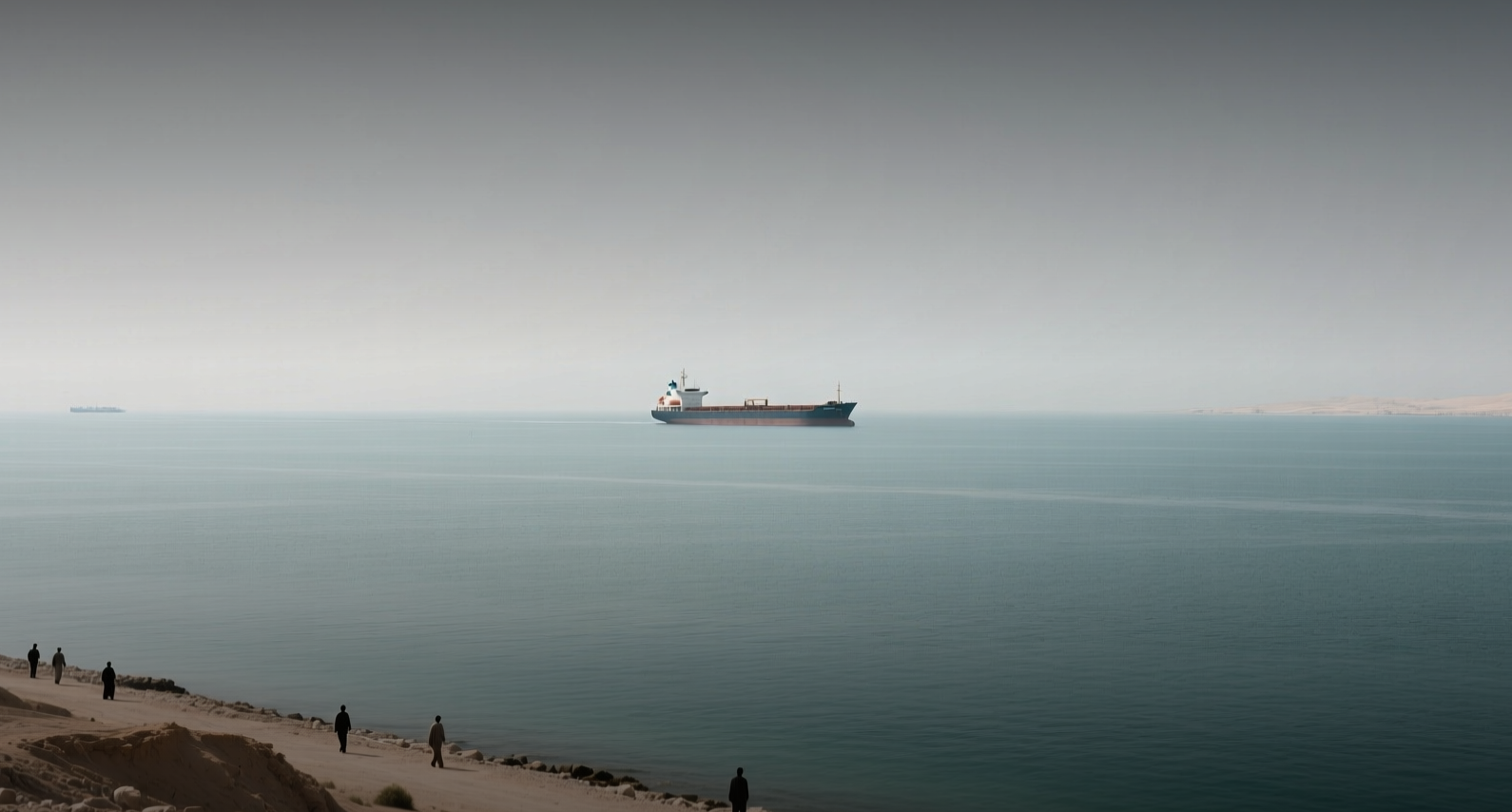
The Strait of Hormuz remains the biggest upside risk. Vessel traffic continues to run far below normal levels, and Tehran has warned it could retaliate further against U.S. economic pressure, including tougher restrictions on Gulf oil movements and possible attacks on regional infrastructure. Supply disruptions elsewhere are also limiting how bearish traders can get: a tanker near Oman was struck by an unidentified projectile, Ukraine damaged Russia's Novoshakhtinsk refinery with a drone, and Kazakhstan's Atyrau refinery suffered a fire. Iran and Pakistan, meanwhile, said "significant progress" was made in talks aimed at ending the conflict in the Middle East.
The last time Washington escalated sanctions on Iranian crude in a comparable round, in 2018, Brent climbed roughly 30 percent over the following months before waivers to major buyers softened the impact. This time, the absence of immediate secondary sanctions on China has left traders pricing a slower, more gradual removal of Iranian barrels rather than a sudden shortfall. If Beijing pushes back or Tehran moves to restrict Hormuz traffic further, the risk premium could rebuild quickly; if quiet diplomacy succeeds in winding down trade, prices may drift lower toward the mid-$70s range that prevailed before the conflict began.
This article is for informational purposes only and does not constitute investment advice.