

Key Takeaways:
- Nvidia shares fell 3% on July 16, extending a two-month slide
- The chipmaker lost $1 trillion in value since its mid-May peak
- Nvidia's P/E compressed to 20 times, near the S&P 500 average
Key Takeaways:
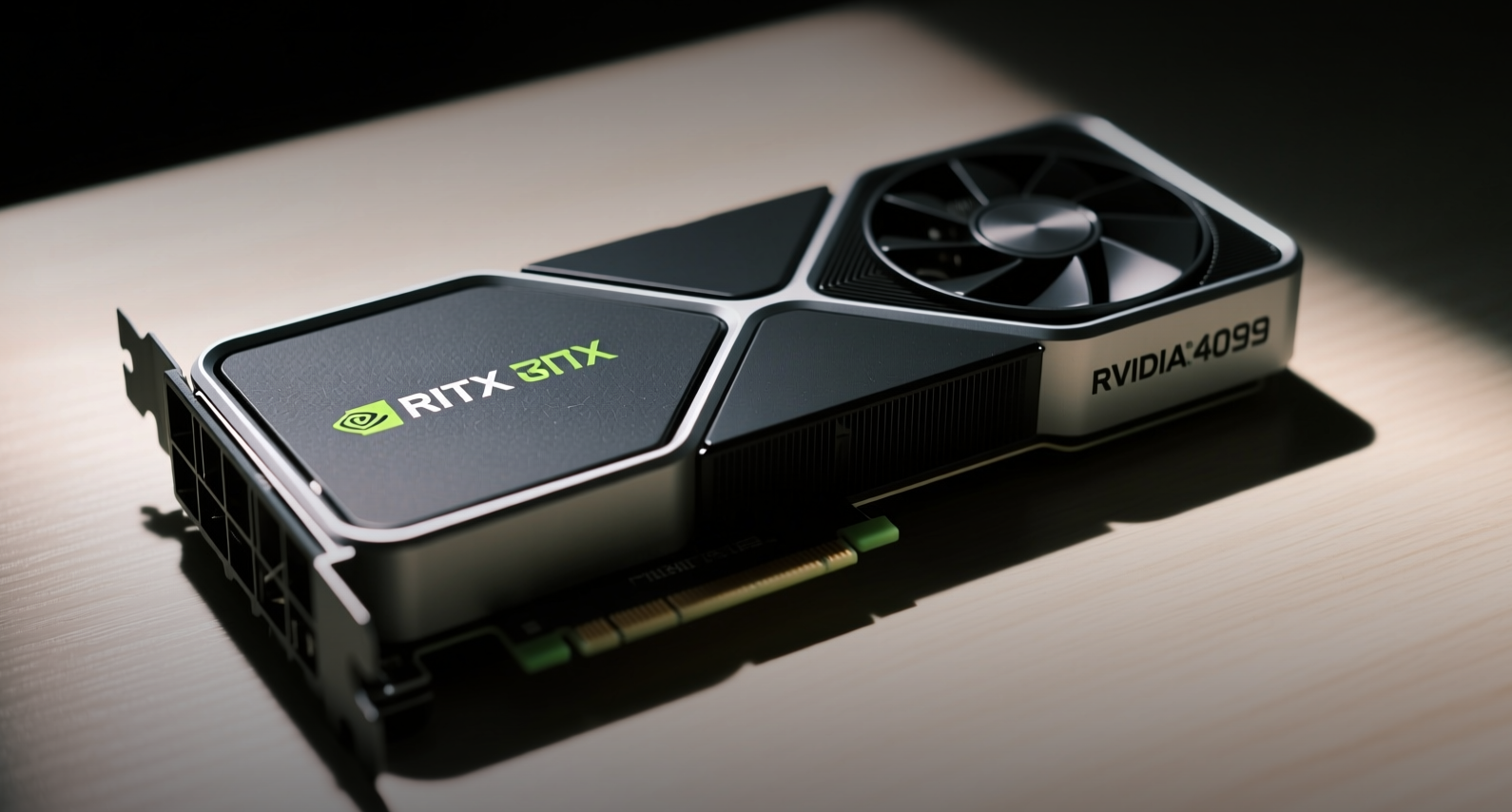
Nvidia Corp. fell 3% on Wednesday, deepening a two-month selloff that erased $1 trillion from the chipmaker's peak market value.
"Nvidia produces the lowest cost per token and data centers running Nvidia generate the highest revenues," Chief Financial Officer Colette Kress told analysts on the company's most recent earnings call.
The stock closed at roughly $5 trillion in market capitalization, down from a $5.5 trillion peak in mid-May. Nvidia's forward price-to-earnings ratio has compressed to about 20 times, near the S&P 500 average, after briefly dipping to 18 times earlier this month. The decline comes despite 85% revenue growth in the fiscal first quarter to $81.6 billion.
The selloff has narrowed Nvidia's valuation premium over the mining sector to 2.3 times the combined value of the top 50 miners, down from 2.7 times a year ago. Wall Street still expects 56% annual earnings growth through fiscal 2028, with the Vera Rubin chip platform entering production in the second half of the year.
The 3% decline pushed Nvidia's year-to-date gain to roughly 10%, well below the 47% advance in the top 50 mining companies tracked by MINING.COM over the past 12 months. Gold's decline below $4,000 an ounce erased $228 billion from the mining sector's combined valuation, yet miners still outperformed the chip giant.
Nvidia's data center business, which accounts for the majority of revenue, faces questions about whether hyperscaler spending can sustain its growth trajectory. AI hyperscalers including Microsoft Corp. and Amazon.com Inc. are expected to spend about $650 billion on data center capacity this year, and Nvidia estimates that figure could top $1 trillion in 2027.
The company's upcoming Vera Rubin platform, combining Vera central processing units with Rubin graphics processors, promises 10 times the inference throughput per watt at one-tenth the cost per token compared with the current Grace Blackwell architecture. Volume production begins in the second half of 2026. Nvidia is also entering the personal computer market with its RTX Spark superchip, set to launch this fall in Windows PCs from Microsoft, Dell Technologies Inc. and Hewlett Packard Enterprise Co.
At 20 times forward earnings, Nvidia trades at a premium to Advanced Micro Devices Inc. at roughly 18 times but below its five-year average of 35 times. The median analyst price target of $300 implies 42% upside from current levels near $211. For context, memory chip makers Micron Technology Inc. and Sandisk Corp. trade at 22 times and 15 times forward earnings respectively, as the broader semiconductor sector undergoes a valuation reset.
The selloff reflects a broader rotation out of high-growth AI names into value sectors, with the S&P 500 information technology sector lagging the broader index this quarter. Nvidia's 3% drop on Wednesday contributed to a decline in the Philadelphia Semiconductor Index, which tracks 30 chip companies. The VIX, Wall Street's fear gauge, rose during the session as traders hedged against further downside in mega-cap technology stocks.
This article is for informational purposes only and does not constitute investment advice.
