
Key Takeaways:
- Morgan Stanley's Adam Jonas set a $300 price target on SpaceX stock
- The target implies roughly 140% upside from the current share price
- Jonas ties nearly all of SpaceX's $28.5 trillion addressable market to AI
Key Takeaways:
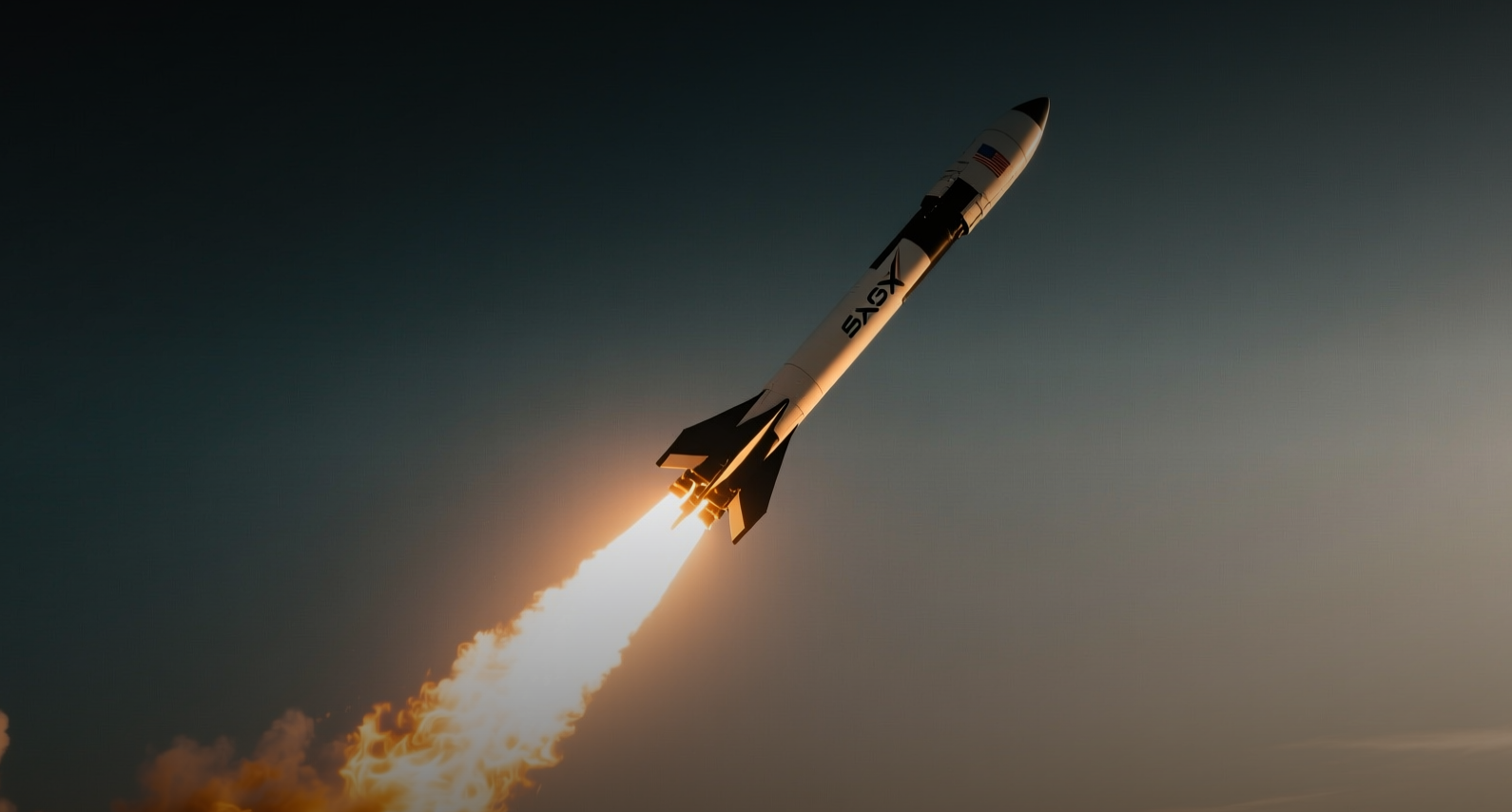
Morgan Stanley analyst Adam Jonas set a $300 price target on SpaceX, betting AI processing in orbit will drive the company's growth.
"SpaceX's upside lies in AI more than in space," Jonas, who oversees Morgan Stanley's SpaceX coverage, said. The analyst expects the company's revenue to grow from $18.7 billion in 2025 to $319 billion by 2030 and $3.3 trillion by 2040, with the bulk coming from AI infrastructure.
SpaceX trades at roughly $125 a share, about 7 percent below its $135 initial public offering price from June. The stock soared to $225 shortly after listing before retreating. At current levels, Jonas's target implies about 140 percent upside. Morgan Stanley's bull case stands at $600, while the bear case is $75.
The company's S-1 filing pegged its total addressable market at approximately $28.5 trillion, with all but $2 trillion tied to AI. SpaceX plans to launch a constellation of AI satellites called Starmind, effectively building data centers in orbit. The first AI satellites could launch on Starship as soon as next year. The company already operates roughly 9,600 Starlink satellites serving about 10.3 million subscribers across 164 countries.
SpaceX's AI ambitions extend well beyond its Starlink internet business. The company's SpaceXAI unit, formerly xAI, has secured major compute contracts including a $1.25 billion monthly deal with Anthropic and a $920 million monthly agreement with Alphabet's Google Cloud. Starmind aims to process AI workloads in space, where always-available solar power and lower cooling requirements could undercut terrestrial data center costs significantly.
The strategy faces substantial technical hurdles. SpaceX reported a net loss of $4.28 billion in the first quarter of 2026 after spending $10.1 billion on capital expenditures, much of it on AI infrastructure and Starship development. The company generated negative free cash flow of $9.06 billion in the period. Following its IPO, SpaceX's cash position expanded to roughly $100.8 billion, providing financial flexibility to fund its long-term initiatives.
The $300 target from a bulge-bracket firm lends credibility to SpaceX's AI-in-space narrative at a time when the stock has fallen below its IPO price. The company's next major catalyst will be the first Starmind satellite launch, expected sometime next year. Until then, investors will watch second-quarter revenue, which Wall Street estimates at roughly $6.8 billion, for signs that the growth story remains intact.
This article is for informational purposes only and does not constitute investment advice.
