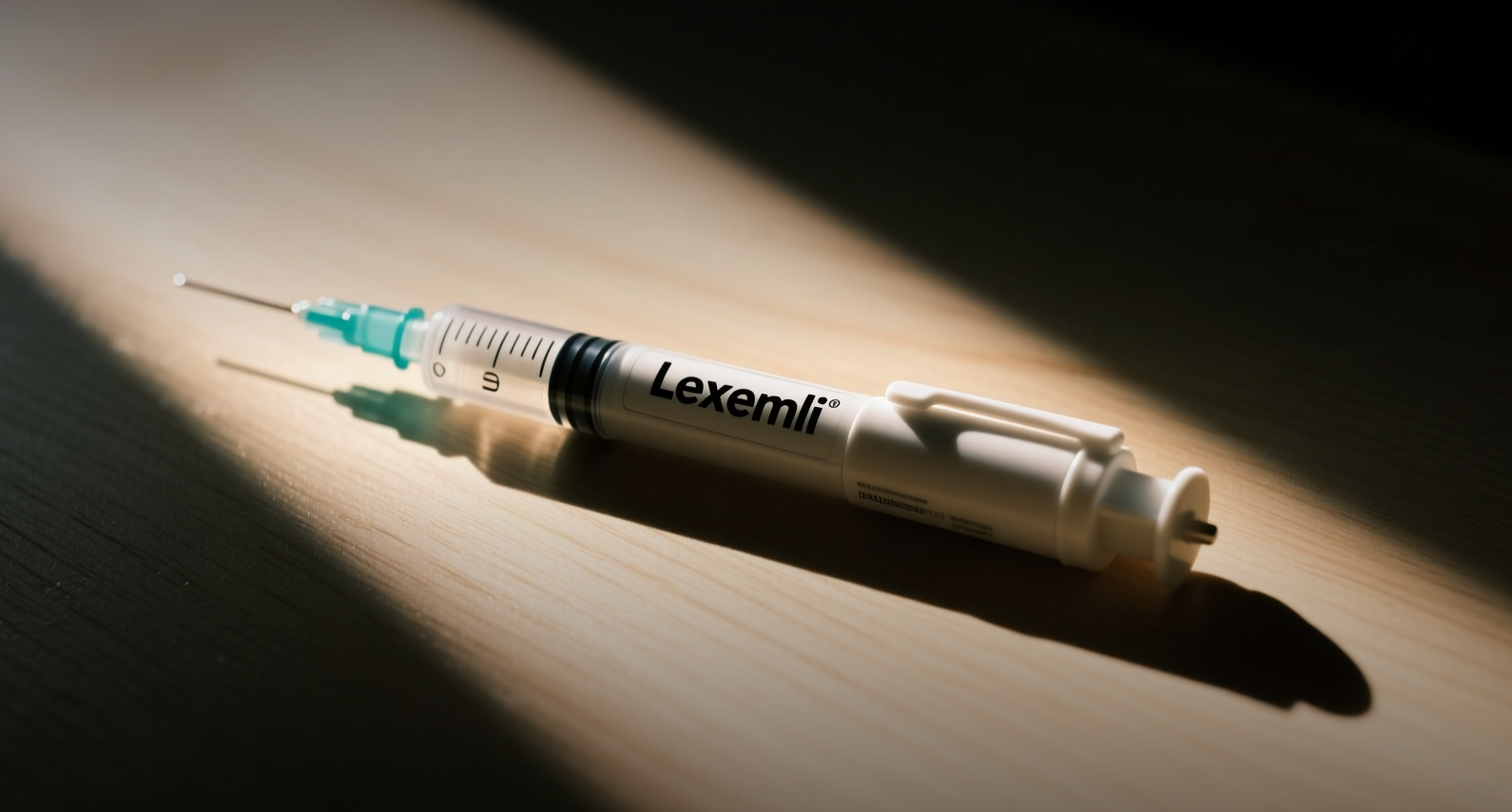
Eisai and Biogen's Leqembi (lecanemab) subcutaneous autoinjector achieved drug exposure equivalent to the intravenous formulation in early Alzheimer's disease, supporting a fully at-home treatment pathway from initiation through maintenance.
"The data confirm that efficacy and safety are driven by drug exposure, not the route of administration," said Michael Irizarry, Deputy Chief Clinical Officer and Head of the Alzheimer's Disease and Brain Health Unit at Eisai, in a statement accompanying the AAIC 2026 presentation.
The once-weekly 500 mg subcutaneous autoinjector showed a 104% exposure ratio (90% CI: 99.1%–109%) compared with the approved IV initiation regimen of 10 mg/kg every two weeks, meeting bioequivalence criteria. Exposure remained consistent across all body weight quartiles, supporting a fixed-dose approach. Amyloid clearance measured by PET, clinical efficacy measured by CDR-SB, and ARIA-E incidence were all driven by drug exposure rather than administration route.
The subcutaneous option addresses a key barrier in Alzheimer's treatment: the burden of regular IV infusions. Real-world data from two US treatment centers showed 91% of evaluable patients (10 of 11) remained stable or improved on the MMSE cognitive assessment after at least six months of subcutaneous maintenance therapy. Patient and care partner satisfaction ranged from 75% to 97%, with 92% to 100% willing to recommend the treatment.
The overall safety profile of the subcutaneous formulation was consistent with IV dosing. Injection-related reactions were mostly localized, and anti-drug antibodies appeared in only 1.4% of patients, with no neutralizing antibodies detected. The US Food and Drug Administration has already approved LEQEMBI IQLIK for subcutaneous maintenance dosing since August 2025, and a supplemental Biologics License Application for the subcutaneous starting dose received Priority Review with an extended PDUFA date of Aug. 24, 2026.
Leqembi is approved in 53 countries and under review in six more. The subcutaneous autoinjector could expand the addressable patient population by reducing the need for infusion center visits, a significant hurdle given that Alzheimer's predominantly affects elderly patients who often rely on caregivers for transportation. Eisai leads development and regulatory submissions globally, with Biogen co-commercializing and BioArctic holding royalty rights on global sales. Investors will watch the Aug. 24 PDUFA date for the subcutaneous initiation regimen, which would complete the fully at-home treatment pathway.
This article is for informational purposes only and does not constitute investment advice.