
Hormuz oil flows have recovered to two-thirds of pre-war levels, but a 7-8 million bpd deficit persists as dark shipping and ship-to-ship transfers help producers adapt to the Middle East conflict.
Hormuz oil flows have recovered to two-thirds of pre-war levels, but a 7-8 million bpd deficit persists as dark shipping and ship-to-ship transfers help producers adapt to the Middle East conflict.
Hormuz oil flows have recovered to two-thirds of pre-war levels, but a 7-8 million bpd deficit persists as dark shipping and ship-to-ship transfers help producers adapt to the Middle East conflict.
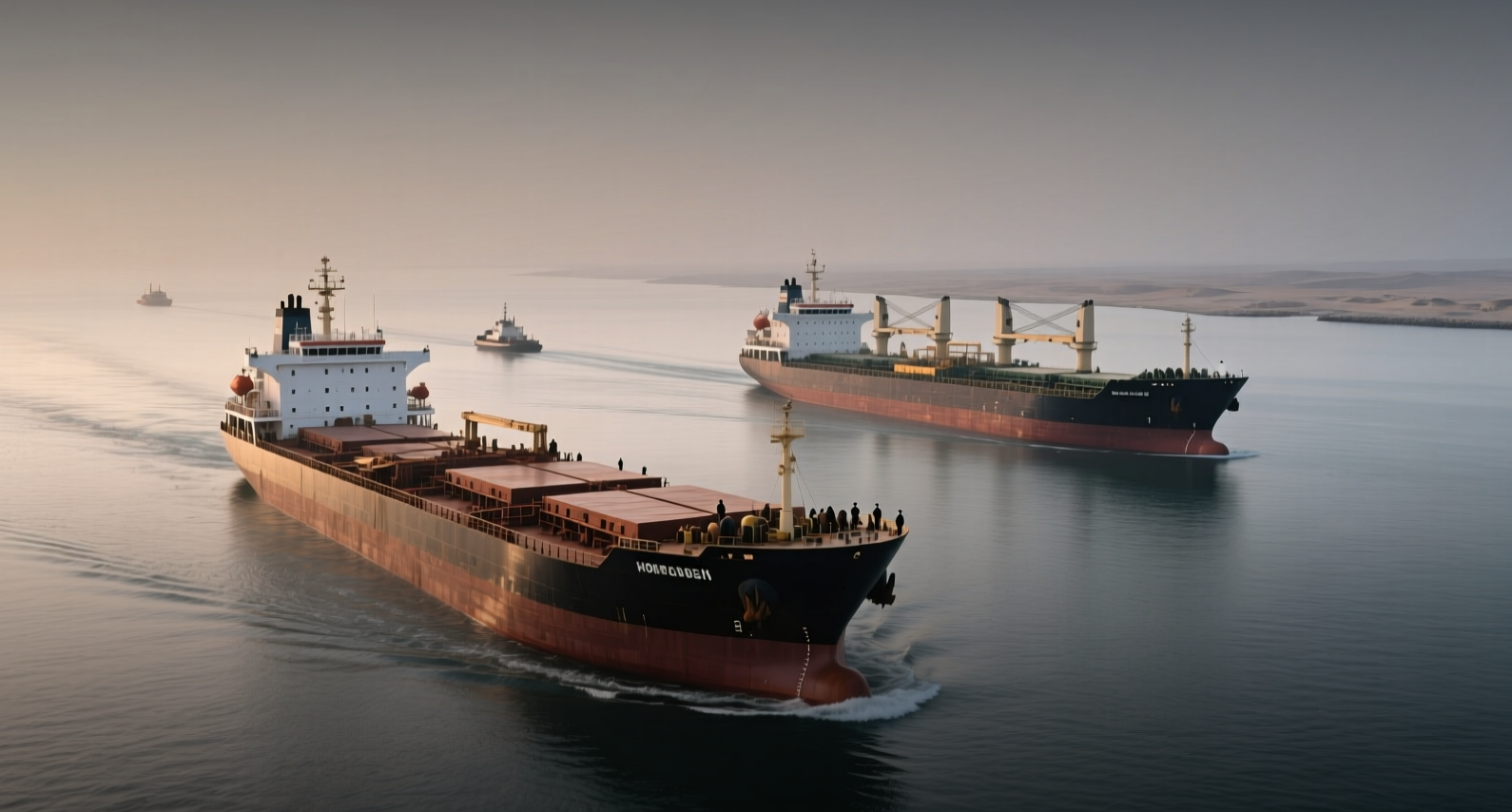
Oil flows through the Strait of Hormuz have recovered to 15-16 million barrels per day, two-thirds of pre-war levels, as producers adapt to the Middle East conflict via dark shipping and ship-to-ship transfers, Goldman Sachs said.
"The increase in dark shipping conducted by specialist shippers, involving the deliberate shutdown of vessels' automatic identification systems, as well as increased ship-to-ship transfers, indicated that producers and shippers were adapting to the Middle East conflict," the bank said in a note.
Total crude oil and petroleum product exports through the strait remain 7-8 million barrels per day below pre-conflict levels. Brent crude futures traded at $89.37 per barrel, down 0.37 percent, while New York oil futures fell 0.42 percent to $83.19 per barrel on Wednesday morning.
The recovery suggests supply adaptation is capping upside in crude prices, but the persistent deficit continues to underpin elevated levels. Goldman expects upside potential for European natural gas and forward petroleum product prices to exceed that of crude oil, pointing to a divergence in energy market pricing.
The Strait of Hormuz handles roughly 20 million barrels per day of oil flow, about 20 percent of global consumption, making it the world's most critical energy chokepoint. The current throughput, while improved, still leaves a substantial gap that has kept crude prices elevated since the conflict began.
The adaptation strategies — disabling automatic identification systems and transferring cargo between vessels at sea — allow producers to maintain export volumes while navigating heightened security risks. These practices have become increasingly common as specialist shippers develop routes around the conflict zone.
Non-Hormuz export routes have also gained traction. Middle East Forum data shows roughly 800,000 barrels per day moving via alternative pipelines in February 2026, while Yanbu loadings on the Red Sea coast reached 3.36-4.7 million barrels per day in July 2026. These bypass routes, while meaningful, cannot fully replace the strait's capacity.
Goldman's view that European natural gas and refined petroleum product prices have more upside than crude reflects a structural imbalance. While crude flows have partially recovered through adaptation, LNG and refined product shipments through Hormuz remain relatively low, the bank said.
This divergence matters for traders and end-users. Refined product cracks — the margin between crude and finished fuels — could widen as product supply tightens faster than crude supply recovers. European natural gas prices, already sensitive to supply disruptions, face additional pressure from reduced LNG flows through the strait.
The supply picture remains heavily concentrated in the region. Conflicts now affect over 43 percent of global oil production, and one million barrels of daily oil exports from the region — fully half of which go to China — highlight the geopolitical exposure embedded in global energy supply chains. China sourced 94.2 percent of its crude imports from the Middle East going into the war.
For energy investors, the implication is clear: crude price upside may be capped by supply adaptation, but downstream energy products and natural gas offer more asymmetric risk-reward. The last time Hormuz flows were disrupted at this scale, refined product margins widened sharply within weeks while crude prices eventually stabilized as alternative supply emerged.
The key variable going forward is whether the conflict escalates further or stabilizes. If flows continue to recover at the current pace, crude could face downward pressure. If disruptions intensify, the 7-8 million bpd deficit could widen, pushing Brent toward new highs and increasing the expected outperformance of refined products and LNG.
This article is for informational purposes only and does not constitute investment advice.
