Highstar's new battery portfolio spans three power layers inside AI data centers, from rack-level backup to grid-scale storage — a first for the sector.
Highstar unveiled a full-chain battery cell portfolio for AI data centers at the 2026 GGII Energy Storage Industry Summit in Nantong, China, covering grey-space UPS systems, white-space backup units and grid-side storage in a single product family.
"As AI workloads drive higher rack densities and more volatile power demand, data centers need battery solutions tailored to each layer of the power architecture," the company said in a statement. "Our portfolio reduces selection complexity for equipment suppliers and system integrators."
For grey-space applications — the UPS and high-voltage direct current systems that sit between the grid and computing floors — Highstar developed an 85Ah high-rate lithium iron phosphate cell designed for rapid discharge under frequent pulse conditions. The company also introduced a 50Ah sodium-ion cell that operates across a temperature range of minus 40 degrees Celsius to 80 degrees Celsius, widening deployment options for facilities in extreme climates.
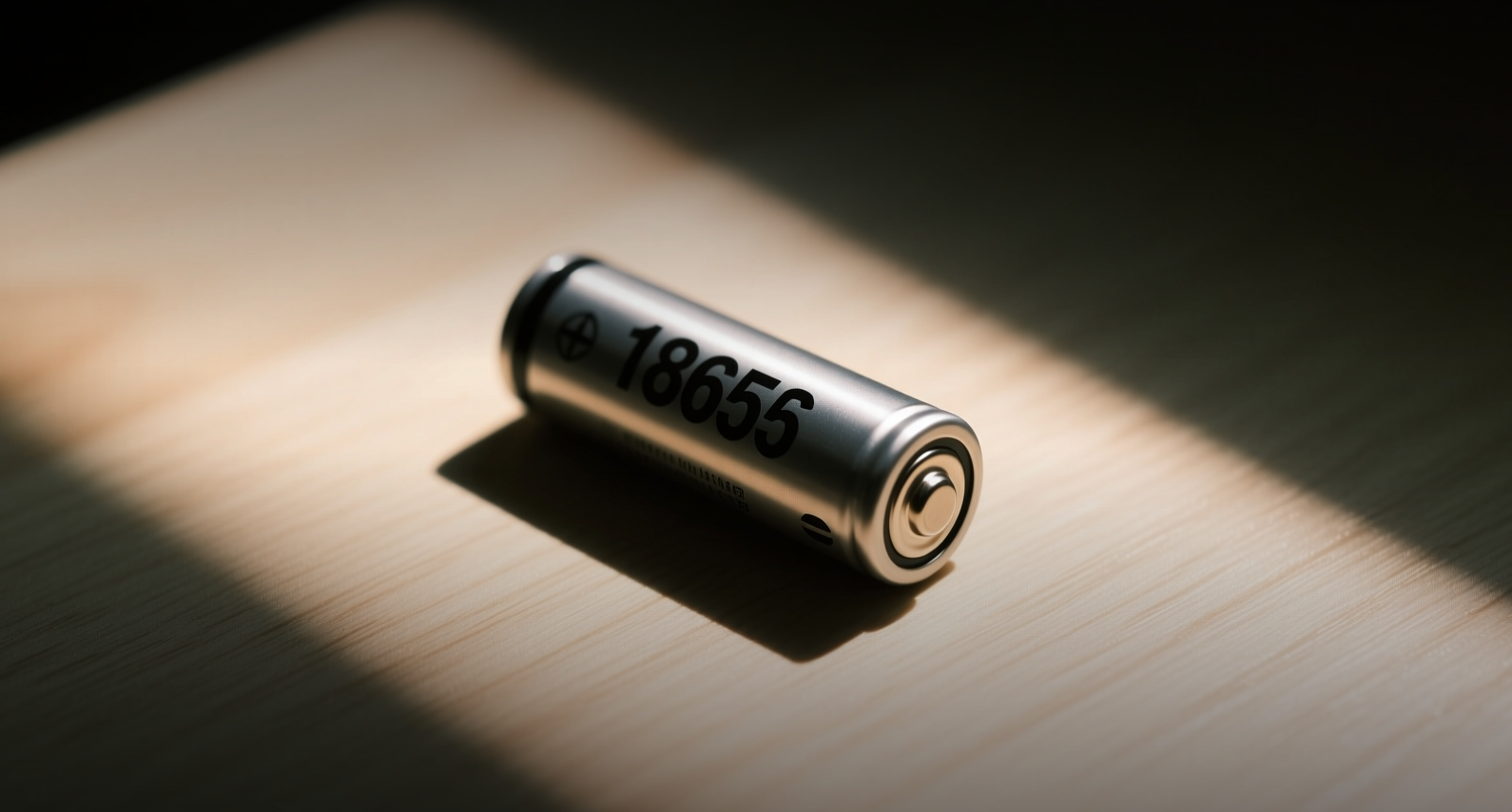
Inside the white space, where battery backup units sit directly inside server racks, Highstar offers tabless cylindrical cells in 18650 and 21700 formats with both LFP and high-nickel NMC chemistries. The tabless design reduces internal resistance and temperature rise, the company said, while allowing operators to choose between power density and cost depending on rack configuration.
On the grid side, the portfolio includes 314Ah lithium-ion cells and 160Ah sodium-ion cells that balance long-duration energy storage with rapid power support, completing a chain that extends from individual rack protection to upstream utility-scale storage.
Why AI Data Centers Need Specialized Batteries
The product launch addresses a structural shift in data center power demand. Traditional data centers draw relatively steady loads, but AI training clusters create sharp power spikes as thousands of GPUs ramp up simultaneously. Backup systems designed for conventional workloads may struggle with the faster response times and higher pulse currents that AI infrastructure requires.
Highstar's approach combines lithium-ion and sodium-ion chemistries across prismatic and cylindrical form factors, integrating cathode, anode, electrolyte and separator development with structural features such as tabless current collection, precision pressure relief and directional venting. The company said the architecture is designed for joint validation with power equipment suppliers and data center operators, rather than requiring customers to piece together cells from different vendors.
At the summit, Highstar also contributed to the "2026 Global AIDC Power Supply Industry Development Blue Book" and received a "Top Benchmark in AIDC Energy Storage" award from the industry body GGII.
Competitive Landscape and Investor Angle
Highstar enters a market where data center battery backup has traditionally relied on lead-acid or generic lithium-ion cells from suppliers such as EnerSys, Saft and CATL's data center division. By offering a purpose-built portfolio spanning all three power layers, Highstar positions itself as a one-stop supplier for AI data center operators — a segment that is scaling faster than general-purpose data center capacity.
The global data center battery market was valued at roughly $8.5 billion in 2025, according to industry estimates, with AI-specific infrastructure accounting for a growing share. Highstar's ability to capture that demand will depend on its production scale and pricing versus incumbent suppliers. The company did not disclose pricing or volume commitments for the new portfolio.
Highstar's stock is not publicly traded on major exchanges, limiting direct equity exposure for investors. However, the announcement signals a new sub-sector within the battery supply chain — specialized energy storage for AI infrastructure — that could benefit publicly listed peers such as CATL, BYD and Samsung SDI as data center operators diversify their battery sourcing.
This article is for informational purposes only and does not constitute investment advice.