
Key Takeaways:
- Gold recovered more than 3% in July after an almost 12% June decline
- RBC Capital Markets sees near-term weakness risk before a year-end rally
- XAU/USD: $4,165 | June low: below $4,000 | July gain: +3%
Key Takeaways:
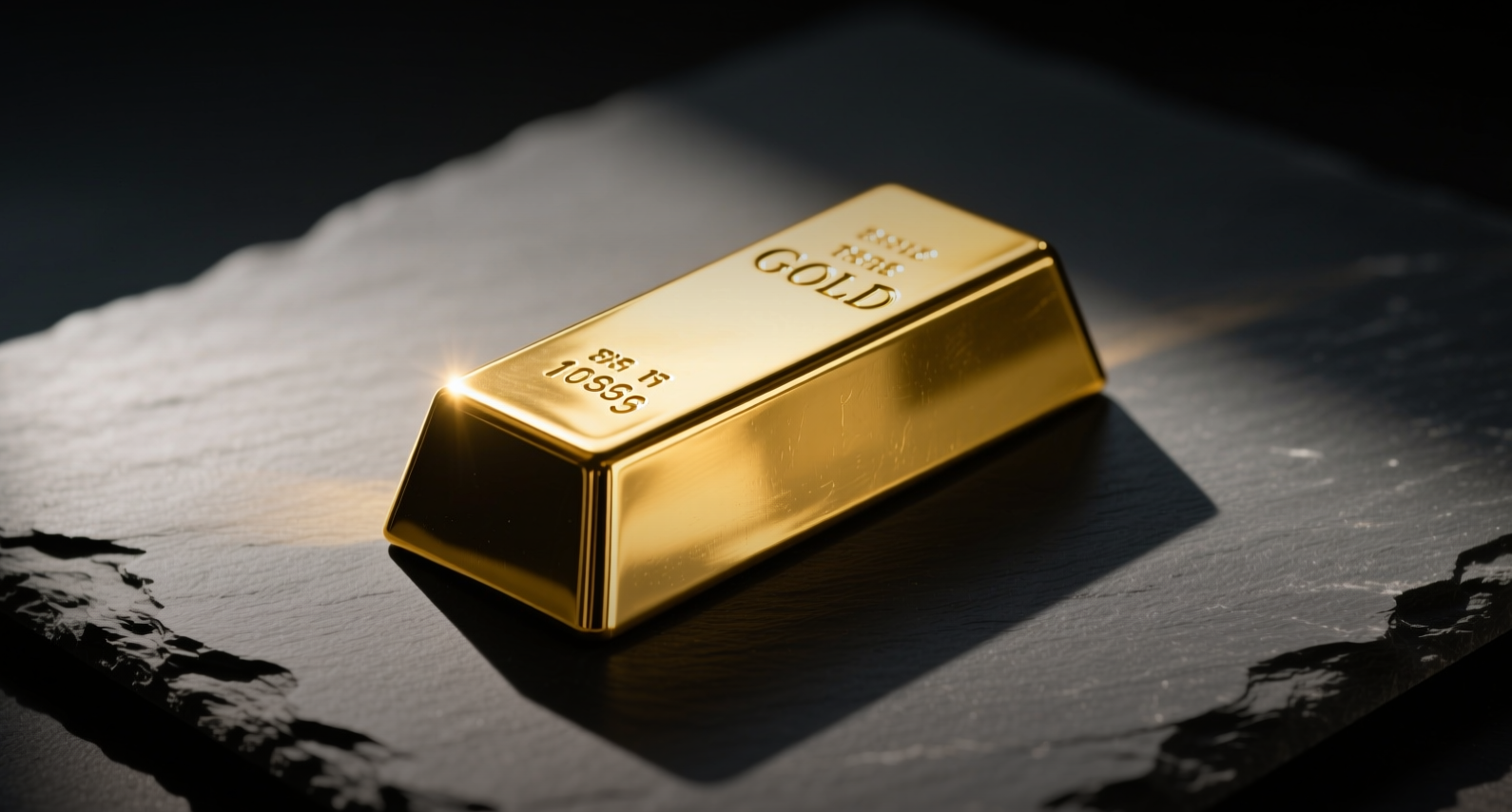
Gold traded at $4,165, up more than 3% in July, after an almost 12% decline in June briefly pushed prices below $4,000.
"While we remain of the view that gold's upside story is not over, there remains the risk of near-term weakness," RBC Capital Markets said in a research note.
RBC cited higher US interest rates and a stronger Dollar as headwinds that could continue weighing on bullion in the short run. However, the bank argued much of the current macro outlook has already been priced into gold, limiting further downside.
"We think risk is skewed to the upside in the medium term, especially toward year end," RBC said, citing potential drivers including renewed geopolitical uncertainty, softer US Dollar sentiment and changing expectations for bond yields. The bank said it would be "a mistake to hinge our view on the current consensus views being baked into gold prices."
The bank also said structural demand remains intact, with central banks continuing to accumulate gold as part of reserve diversification strategies. "We think central banks remain supportive and that investors will not sit on the sidelines indefinitely," RBC said.
RBC's cautious near-term view aligns with other major banks covering the precious metal. Westpac earlier this month forecast gold could recover toward $4,600, while HSBC said the sell-off may be nearing an end. Credit Agricole also recommended buying gold during the June pullback, calling it a buying opportunity for investors who missed the earlier rally.
The June correction marked gold's steepest monthly decline since 2023, triggered by a stronger Dollar and expectations that the Federal Reserve would keep rates higher for longer. The rebound above $4,100 in July suggests some investors view the pullback as an entry point, though RBC's warning indicates further price swings may lie ahead before a sustained uptrend resumes.
Gold has gained more than 15% year-to-date despite the June sell-off, supported by strong central bank buying and elevated geopolitical tensions. The metal's ability to hold above $4,000 during the correction reinforced the view that the structural bull market remains intact, according to RBC.
This article is for informational purposes only and does not constitute investment advice.
