
Key Takeaways:
- Spot gold up 0.6% to $4,276.31/oz in early Asian trade
- ADP July payrolls miss trims odds of September Fed hike
- Gold-silver ratio: 67.5 vs 50-year average of 65
Key Takeaways:
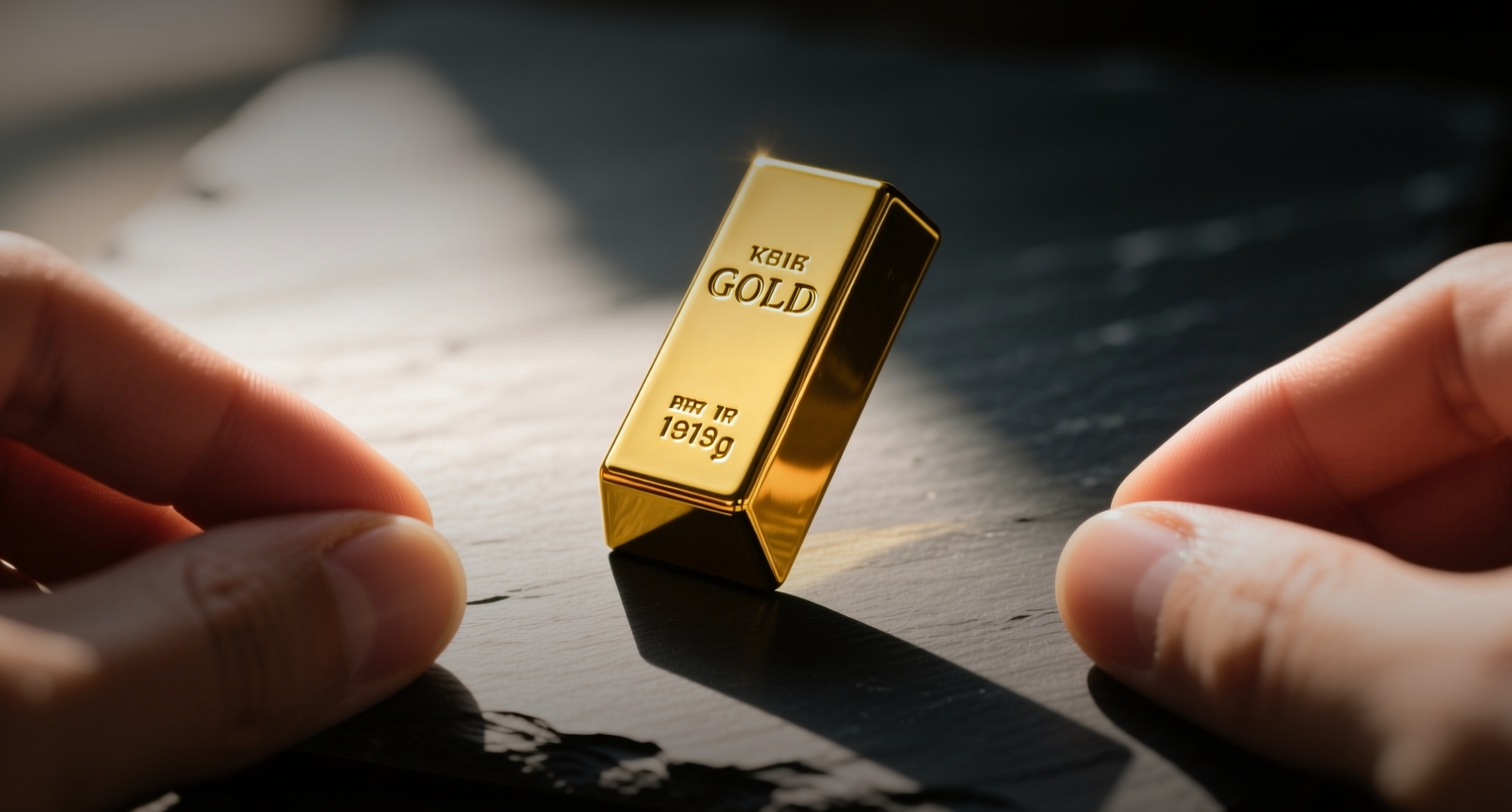
Spot gold rose 0.6% to $4,276.31 an ounce in early Asian trade as Middle East resolution efforts lowered Treasury yields and weakened the dollar.
Progress toward a resolution could lower bond yields and support bullion, while any setback would strengthen the dollar and weigh on the metal, Konstantinos Chrysikos at Kudo.com said.
Spot gold climbed 4.3% to $4,252.74 an ounce on Wednesday, touching its highest level since June 22, while US gold futures rose 3.7% to $4,305.20. The dollar hovered near a three-month low against the yen, and the 10-year Treasury yield sat near one-week lows. US private payrolls rose 44,000 in July, below the 70,000 consensus, the ADP report showed.
Markets price about a 57% chance of a rate hike at the Fed's September meeting, down from above 60% before the ADP release. Friday's nonfarm payrolls report will determine whether more dovish positioning gains traction, with a soft print likely to extend gold's advance.
Rate-Hike Odds Slip to 57%
The ADP miss restructured the inputs that set gold's fair value. Lower expected nominal yields, with inflation expectations steady, compress real yields — gold's primary macro pricing driver. Kansas City Fed President Jeff Schmid said some tightening is needed to return inflation to the 2% target, while Minneapolis Fed President Neel Kashkari said it is time to start slowly moving rates higher.
Silver outperformed gold on Wednesday, rising 4.15% to $62.28 an ounce, as roughly 58% of annual silver demand comes from industrial applications, according to the Silver Institute. The gold-silver ratio compressed to about 67.5, above the 50-year average of 65, suggesting silver remains undervalued relative to gold.
Central Banks Buy 288.9 Tonnes in Q2
Sovereign demand held through the correction. Central banks bought 288.9 tonnes of gold in the second quarter, up 62% year-over-year and a quarterly record, according to the World Gold Council. The Bank of Korea returned to gold purchases after a 13-year absence, holding just 1.1% of its $427 billion in reserves in the metal, compared with about 69% for the United States and Germany.
Gold fell about 25% from its all-time high of $5,589 an ounce set on Jan. 28, as the US-Iran conflict drove oil prices higher, lifted inflation expectations and pushed the Fed toward a hawkish posture. A diplomatic resolution that reopens the Strait of Hormuz would soften oil prices and remove a key inflation risk, while any breakdown in talks could revive dollar demand and pressure bullion.
This article is for informational purposes only and does not constitute investment advice.
