
Key Takeaways:
- French day-ahead power prices surged 20.5% to €141/MWh on Tuesday
- Further nuclear curtailments expected Wednesday as temperatures rise
- Day-ahead consumption up 1.6 GW to 46.4 GW, temperature forecast 7.4°C above normal
Key Takeaways:
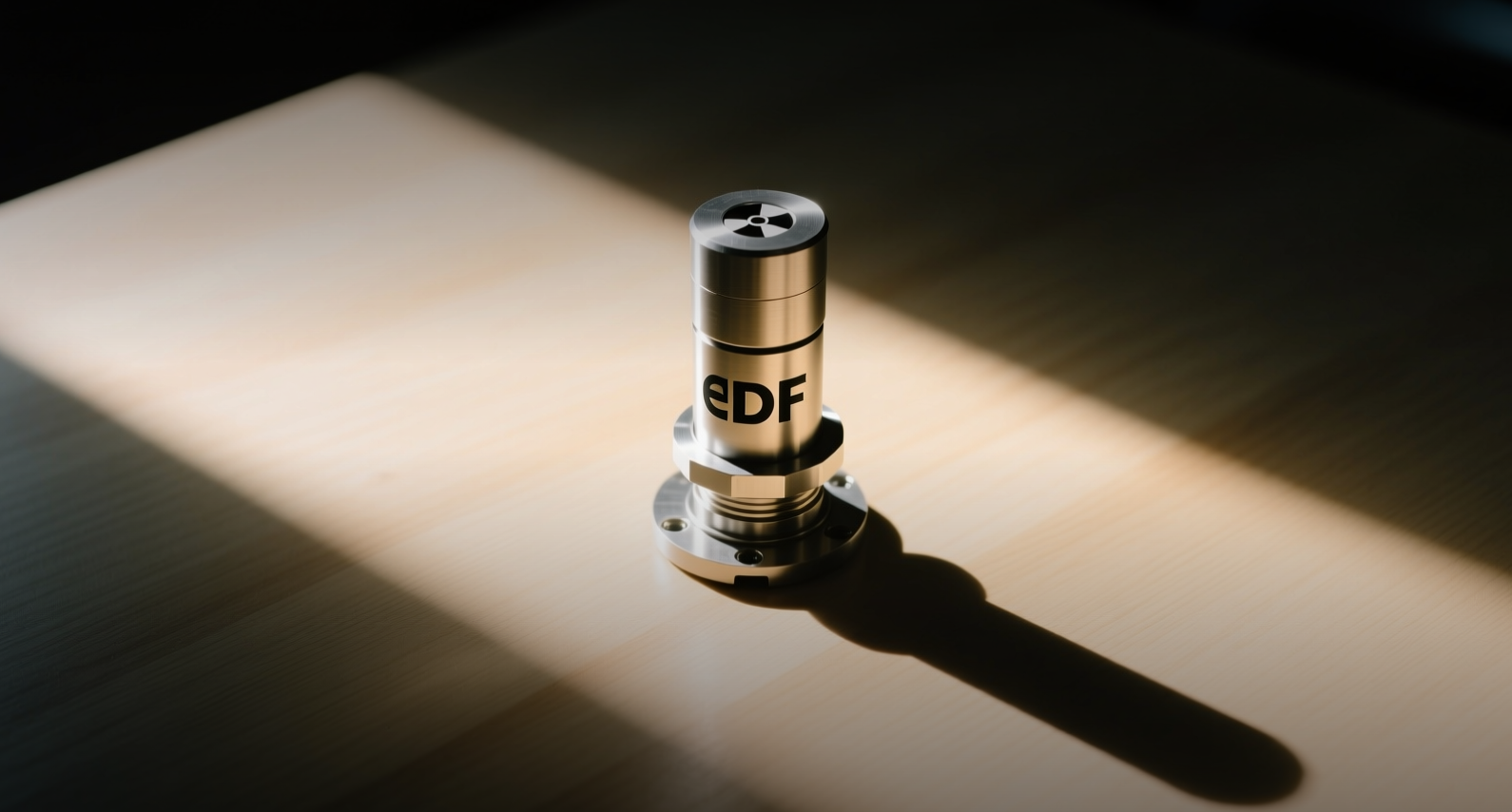
French day-ahead power prices surged 20.5% to €141 ($162.67) per megawatt hour Tuesday as a heatwave tightened supply and lifted cooling demand, LSEG data showed.
Further curtailments on French nuclear power are expected Wednesday as temperatures continue to rise, reducing output from the reactor fleet and squeezing available supply. Day-ahead consumption was seen up 1.6 gigawatts to 46.4 GW, with the national average temperature forecast at 28.8 degrees Celsius (83.84 degrees Fahrenheit) for Wednesday — 7.4 degrees Celsius above seasonal norms, LSEG data showed.
The price jump reflects a dual squeeze on France's power market. Nuclear plants, which provide the bulk of the country's baseload electricity, face output restrictions when high river temperatures limit cooling capacity, while air-conditioning demand climbs with the mercury. EDF, the state-controlled utility that operates France's reactor fleet, typically curtails output during summer heat events — a pattern that has intensified as climate-driven temperature extremes become more frequent across Europe.
The surge in French day-ahead prices is likely to spill into neighboring markets through cross-border interconnectors. Higher French wholesale rates can pull up prices in Germany, Belgium, and the UK as traders arbitrage electricity flows between grids. For energy-intensive industries and households, the spike adds to summer power costs at a time when European wholesale prices remain elevated by broader supply constraints and infrastructure bottlenecks. The heatwave also raises questions about grid resilience across the continent, as multiple countries face simultaneous cooling demand peaks.
The move also shows the growing sensitivity of European power markets to weather extremes. France's nuclear fleet, one of the largest in the world, is particularly exposed to heat events because its reactors rely on river water for cooling. When temperatures exceed thresholds, operators must reduce output or shut units entirely, removing gigawatts of capacity from the grid at precisely the moment demand peaks. This dynamic has become a recurring feature of European summers, with similar curtailments reported in prior heatwaves as the continent's energy infrastructure adapts to a warming climate.
For the euro area economy, higher wholesale electricity costs feed through to consumer bills with a lag, adding to household energy expenses during the summer cooling season. Industrial consumers in France, including aluminum producers and chemical manufacturers, face elevated input costs that could pressure margins in energy-intensive sectors. The price spike also highlights the growing cost of climate adaptation for European energy systems, as grid operators invest in flexibility measures to manage extreme weather events.
Traders will watch Wednesday's nuclear availability data and temperature forecasts for signs of how long the squeeze persists. If curtailments deepen, day-ahead prices could extend gains toward levels not seen since the 2022 energy crisis, when European power markets hit record highs. ($1 = 0.8668 euros)
This article is for informational purposes only and does not constitute investment advice.
