

Key Takeaways:
- Q2 revenue rose 203.5% quarter over quarter to RMB77.9 million
- EHang delivered 36 eVTOL aircraft, up from four in Q1 2026
- Company withdrew its RMB600 million 2026 revenue guidance
Key Takeaways:
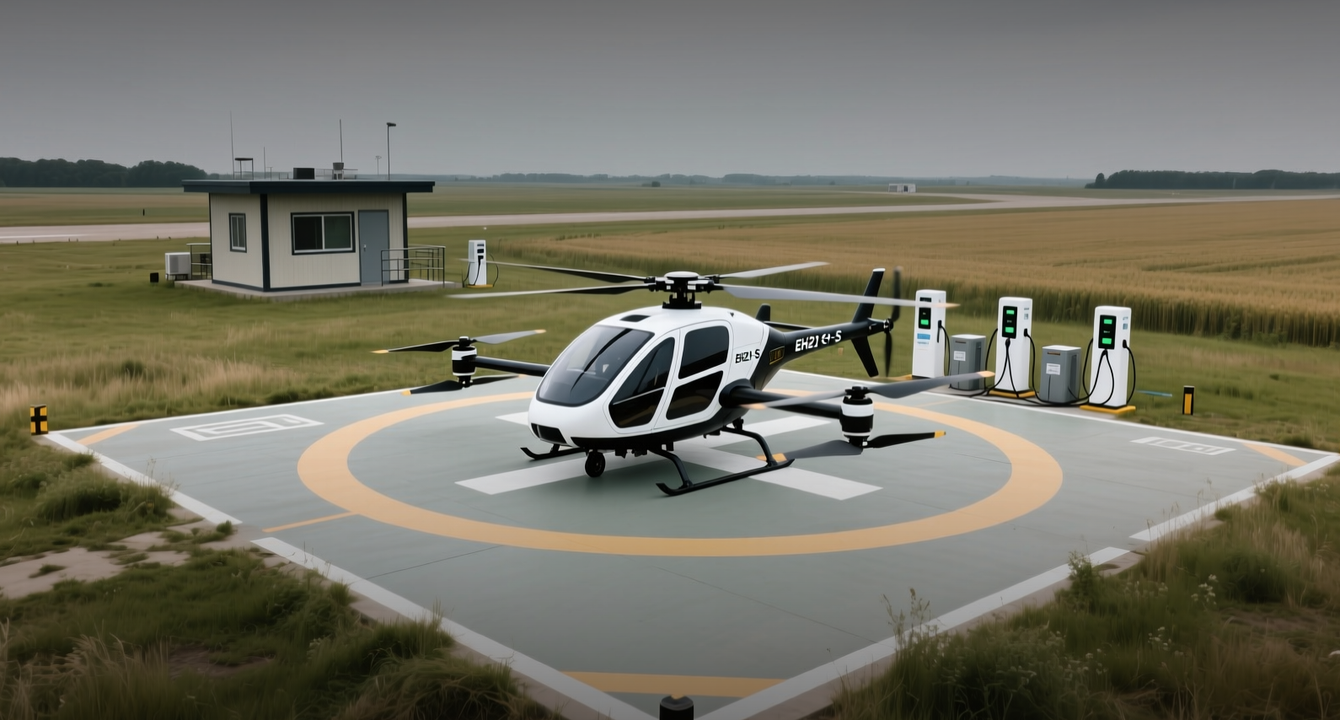
EHang reported Q2 revenue of RMB77.9 million, up 203.5% sequentially, as eVTOL deliveries rebounded to 36 units from four in the prior quarter.
"Certification is only the starting point," founder and CEO Huazhi Hu said, describing a transition from obtaining certifications toward operational readiness, scenario validation and global expansion.
Gross margin held at 61.2%, roughly flat with 61.5% a year earlier. Operating loss widened to RMB131.7 million from RMB100.1 million, and net loss reached RMB128.3 million. Cash and investments totaled RMB929.4 million as of June 30.
The Guangzhou-based company withdrew its 2026 revenue guidance of RMB600 million, citing a more cautious regulatory environment in China after a late-June accident involving a piloted light-sport aircraft slowed passenger commercial operation approvals.
Deliveries comprised 35 EH216-series aircraft and one VT35 long-range model, versus 52 EH216 units in the year-ago quarter. The company also sold 520 GD4.0 formation drones, down from 1,000 in the first quarter. Revenue still fell 31.3% year over year from RMB113.3 million.
Adjusted net loss narrowed to RMB58.5 million from RMB75.6 million in the first quarter but widened from RMB12.5 million a year earlier. Operating expenses rose to RMB182.3 million from RMB172.5 million, driven by higher share-based compensation and credit-loss provisions.
EHang is diversifying beyond passenger mobility into logistics, firefighting and aerial media, and has expanded the EH216-S flight footprint to Mexico, Switzerland and Kazakhstan. The EH216 series has flown in 23 countries, completing nearly 100,000 safe missions. Regulatory sandbox programs in Thailand and Hong Kong are advancing, with Thailand targeting a commercial operation certificate within 2026.
CFO Conor Yang said the company will revisit its outlook once regulatory visibility improves. The guidance withdrawal reflects near-term uncertainty around passenger commercial service approvals in China, not a change in long-term strategy, management said.
The withdrawal removes a key near-term revenue target for investors tracking the low-altitude economy. EHang's next catalyst is regulatory clarity on passenger operations in China, which management expects to provide updated guidance once established.
This article is for informational purposes only and does not constitute investment advice.
