

Key Takeaways:
- Coca-Cola raised Diet Coke prices in India by 13.6% per milliliter
- The Iran war disrupted aluminum can shipments through the Strait of Hormuz
- Larger 330-ml cans replaced standard 300-ml cans at a higher price point
Key Takeaways:
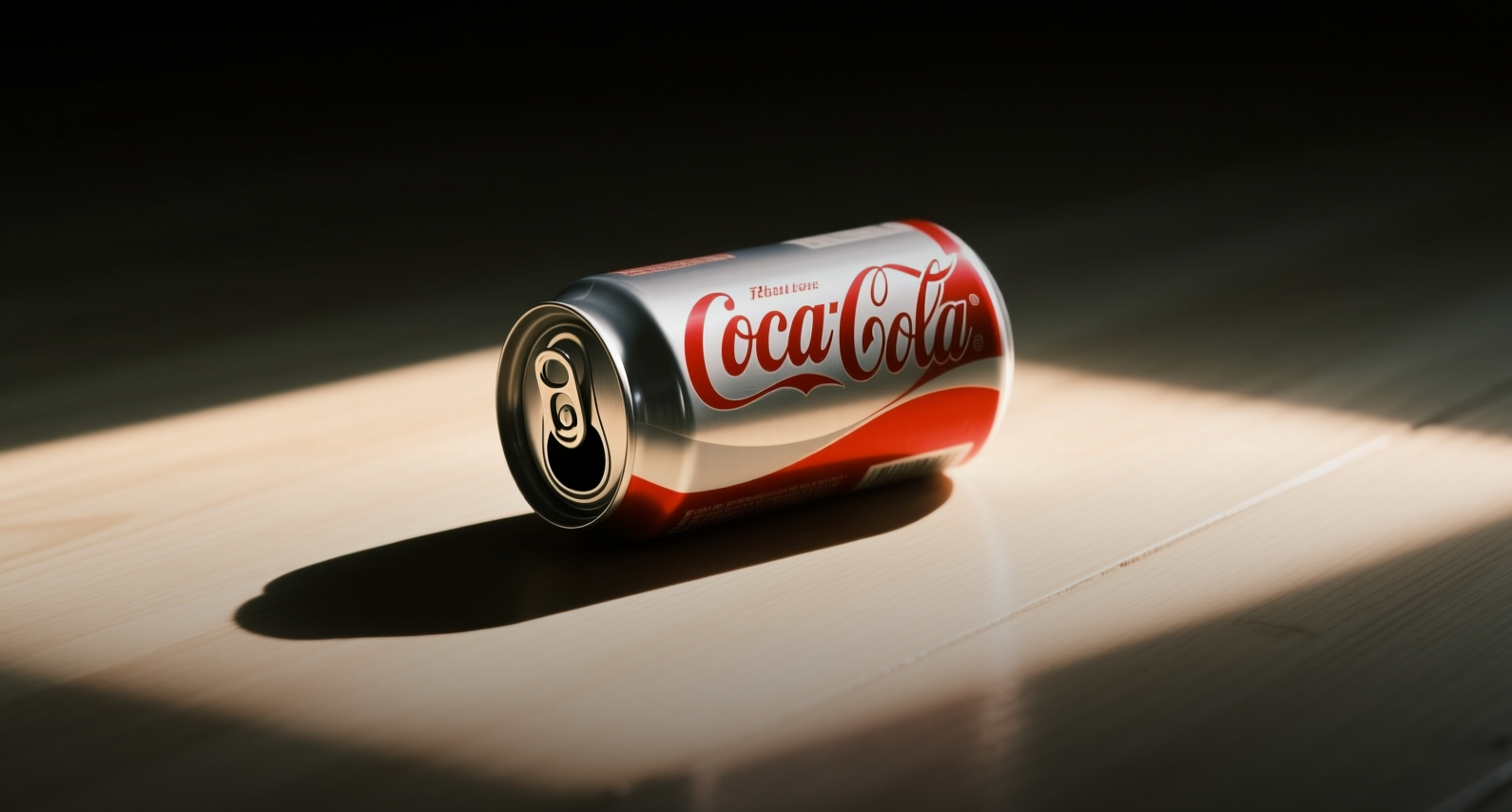
Coca-Cola raised Diet Coke prices in India by more than 13% after the U.S.-Israeli war with Iran disrupted aluminum can shipments through the Strait of Hormuz.
Coca-Cola hiked Diet Coke prices in India by more than 13% after the U.S.-Israeli war with Iran disrupted aluminum can supplies, forcing the company to source costlier cans from Southeast Asia, according to two people familiar with the matter.
"The conflict has effectively closed the Strait of Hormuz to commercial traffic again, cutting off a critical supply route for aluminum cans and raw materials to India," one of the people said. The person declined to be named because the pricing strategy is confidential.
Coca-Cola introduced 330-milliliter cans of Diet Coke in India at 50 Indian rupees, replacing the standard 300-ml can priced at 40 rupees. On a per-ml basis, the increase amounts to 13.6%. The company has also started offering Diet Coke in 200-ml glass bottles through at least one Indian bottler on a limited basis, though those are more expensive than the canned version, according to online listings.
The price hike shows how the Middle East conflict continues to force global consumer companies to restructure supply chains and raise prices in key growth markets. India is a major growth market for both Coca-Cola and PepsiCo, and Diet Coke has become increasingly popular among health-conscious Indian consumers. Unlike most other markets where Diet Coke is sold in plastic bottles and cans, India sells the drink predominantly in aluminum cans, making it more vulnerable to supply disruptions.
The Strait of Hormuz, through which about 21% of global oil trade passes, has seen commercial traffic heavily disrupted after the collapse of an interim truce meant to end the Iran conflict. The disruption has squeezed supplies of aluminum cans, which are manufactured using aluminum ingot — a commodity whose price is sensitive to energy costs and shipping routes through the region.
The Diet Coke shortage in India had already triggered an unusual phenomenon in recent months: "Diet Coke parties" organized by pubs and social media influencers, charging entry fees of $10 to $16 for access to the drink along with music and alcohol.
Coca-Cola's decision to roll out larger, pricier cans mirrors a broader trend of companies adapting to conflict-driven supply chain disruptions. The company did not respond to requests for comment on the pricing changes, which it has not publicly announced.
The last time the Strait of Hormuz faced a comparable disruption was during the 2019 tanker attacks and the 2020 U.S. assassination of Qasem Soleimani, which sent oil prices spiking as much as 5% and pushed shipping insurance premiums for vessels transiting the waterway to multi-year highs.
Coca-Cola's rival PepsiCo, which also counts India as a major growth market, sells most of its drinks in plastic and glass bottles as well as cans, potentially insulating it from similar aluminum supply pressures. Coca-Cola's own Coke Zero, a no-calorie alternative, is sold in both plastic bottles and cans in India and has not faced supply issues.
The aluminum can shortage adds to a growing list of consumer goods disruptions linked to the Iran conflict. For Coca-Cola, the higher-priced cans represent a direct margin squeeze in a market where the company has invested heavily in distribution and marketing. The 330-ml can at 50 rupees — roughly 60 U.S. cents — may test price sensitivity among Indian consumers, where the average monthly income remains below $300.
This article is for informational purposes only and does not constitute investment advice.
