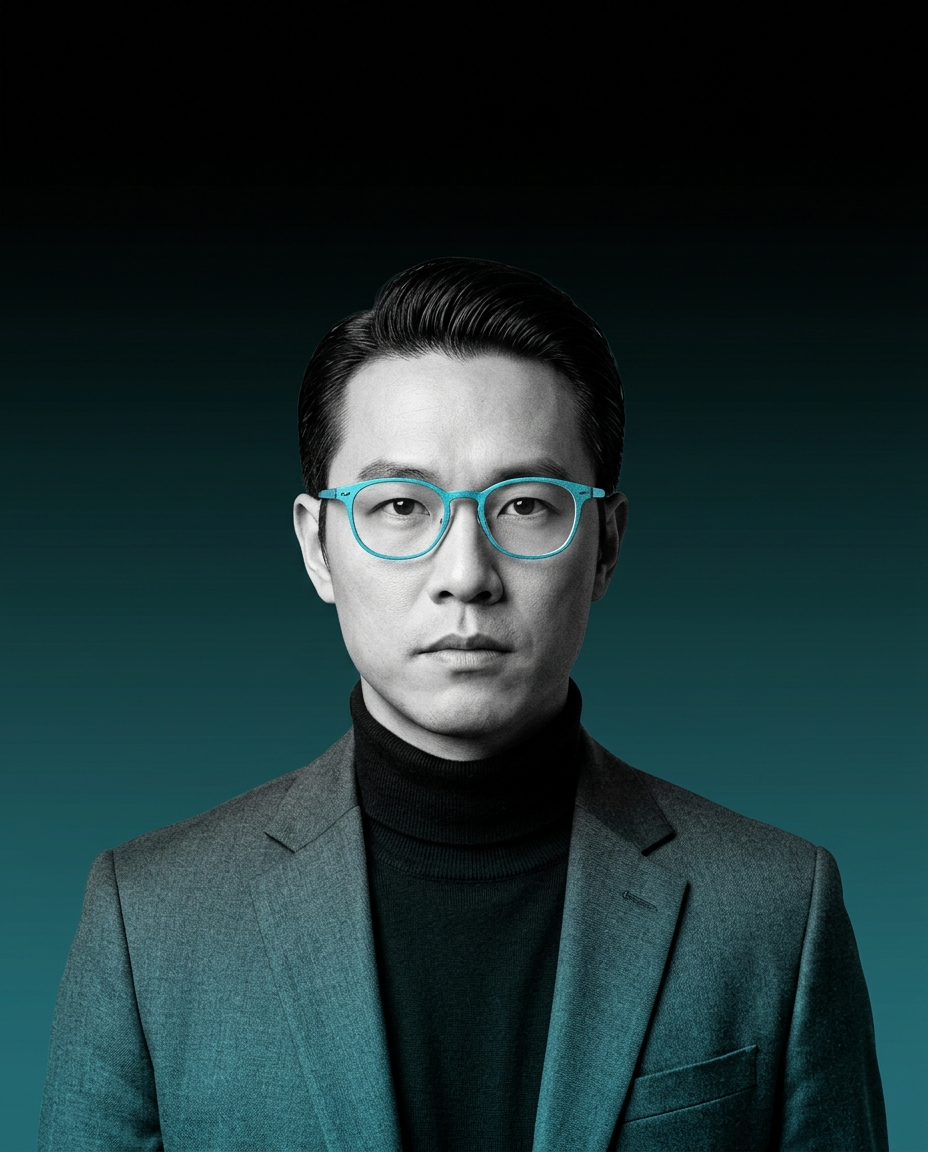


China's securities regulator banned Shimao Group chairman Hui Sai Tan from the securities market for six years and fined him RMB4.9 million for information disclosure violations.
China's securities regulator banned Shimao Group chairman Hui Sai Tan from the securities market for six years and fined him RMB4.9 million for information disclosure violations.

The China Securities Regulatory Commission fined Shimao Group chairman Hui Sai Tan RMB4.9 million and banned him from the securities market for six years on July 31 for information disclosure violations.
"Based on currently available information, the boards of directors, excluding Hui, believe that the administrative penalty decision will not have any material adverse impact on the business and operations of the two companies," Shimao Group (00813.HK) and Shimao Services (00873.HK) said in separate exchange filings.
Under the CSRC measures, Hui is prohibited from engaging in securities and securities service businesses at his current institution or any other institution, and from serving as a director, supervisor, or senior management member of any securities issuer. The ban takes effect from the date the CSRC announced its decision.
The regulatory action adds governance risk to Shimao Group, which is already navigating a distressed balance sheet. Shimao Group shares have fallen 66.49 percent year-to-date, giving the developer a market capitalization of HK$664 million. Shimao Services shares are down 26.27 percent year-to-date, with a market cap of HK$1.07 billion.
Both companies said they will continue to evaluate the implications of the CSRC decision, including Hui's suitability as a director under Hong Kong listing rules, and will update the market on any significant developments as required. The penalty stems from violations related to Shanghai Shimao, a subsidiary through which Shimao Group operates its property development business in the Chinese real estate market.
Shimao Group is a Hong Kong-listed developer incorporated in the Cayman Islands, while Shimao Services is a Hong Kong-listed company engaged in property-related services. Both entities fall under the broader Shimao group umbrella, and the regulatory action against their shared chairman creates a governance question that spans both listed vehicles. The two companies trade on the Main Board of the Hong Kong Stock Exchange under stock codes 813 and 873, respectively.
Analysts have maintained cautious stances on both stocks. The most recent analyst rating on Shimao Group is a Hold with a HK$0.40 price target, while Shimao Services carries a Sell rating with a HK$0.60 price target. Both stocks carry a "Strong Sell" technical sentiment signal, according to TipRanks data. Shimao Group's average daily trading volume stands at approximately 34.2 million shares, while Shimao Services trades roughly 858,000 shares per day on average.
Governance Risk Compounds Restructuring Challenges
The regulatory scrutiny arrives at a delicate moment for China's property sector, where developers have struggled with liquidity constraints and refinancing challenges since the sector's downturn began in 2021. Shimao Group's year-to-date decline of 66.49 percent reflects the broader distress, with the developer's market capitalization now standing at just HK$664 million. The company's shares have been under persistent pressure as investors weigh the sector's recovery prospects against ongoing balance sheet concerns.
The six-year market ban on Hui represents one of the more severe penalties the CSRC has imposed on a chairman of a Hong Kong-listed developer. The fine of RMB4.9 million, while modest relative to the company's scale, demonstrates the regulator's willingness to hold senior executives personally accountable for disclosure failures. The CSRC's action also carries implications beyond Shimao itself, as it shows the regulator's continued focus on information disclosure compliance across China's corporate sector.
For Shimao Group, the governance question now centers on whether Hui can continue in his role as chairman and president. Under Hong Kong listing rules, the suitability of directors is subject to review, and the company has indicated it will assess this matter. If Hui is deemed unsuitable, the company would need to identify a replacement, adding another layer of complexity to its restructuring efforts. The board's decision on this matter will be closely watched by creditors and shareholders alike.
The companies' assurances that operations will not be materially affected provide some comfort to investors, but the regulatory cloud may persist until the board resolves the question of Hui's continued role. Both companies said they will provide updates on any significant developments in line with regulatory requirements. The timing of any board decision on Hui's directorship remains uncertain, and the companies have not provided a specific timeline.
For investors, the key question is whether the regulatory penalty accelerates or complicates Shimao's ongoing debt restructuring. A leadership transition at the chairman level could delay negotiations with creditors, while the regulatory scrutiny itself may deter potential investors from participating in any recapitalization efforts. The companies' commitment to assess Hui's suitability under Hong Kong listing rules suggests the board is taking the matter seriously, but the timeline for resolution remains unclear.
This article is for informational purposes only and does not constitute investment advice.
