
US sanctions have cut China's Iranian crude intake to 534,000 barrels per day in August, down 62 percent from last year's average, forcing independent refiners to hunt for replacement supply.
US sanctions have cut China's Iranian crude intake to 534,000 barrels per day in August, down 62 percent from last year's average, forcing independent refiners to hunt for replacement supply.
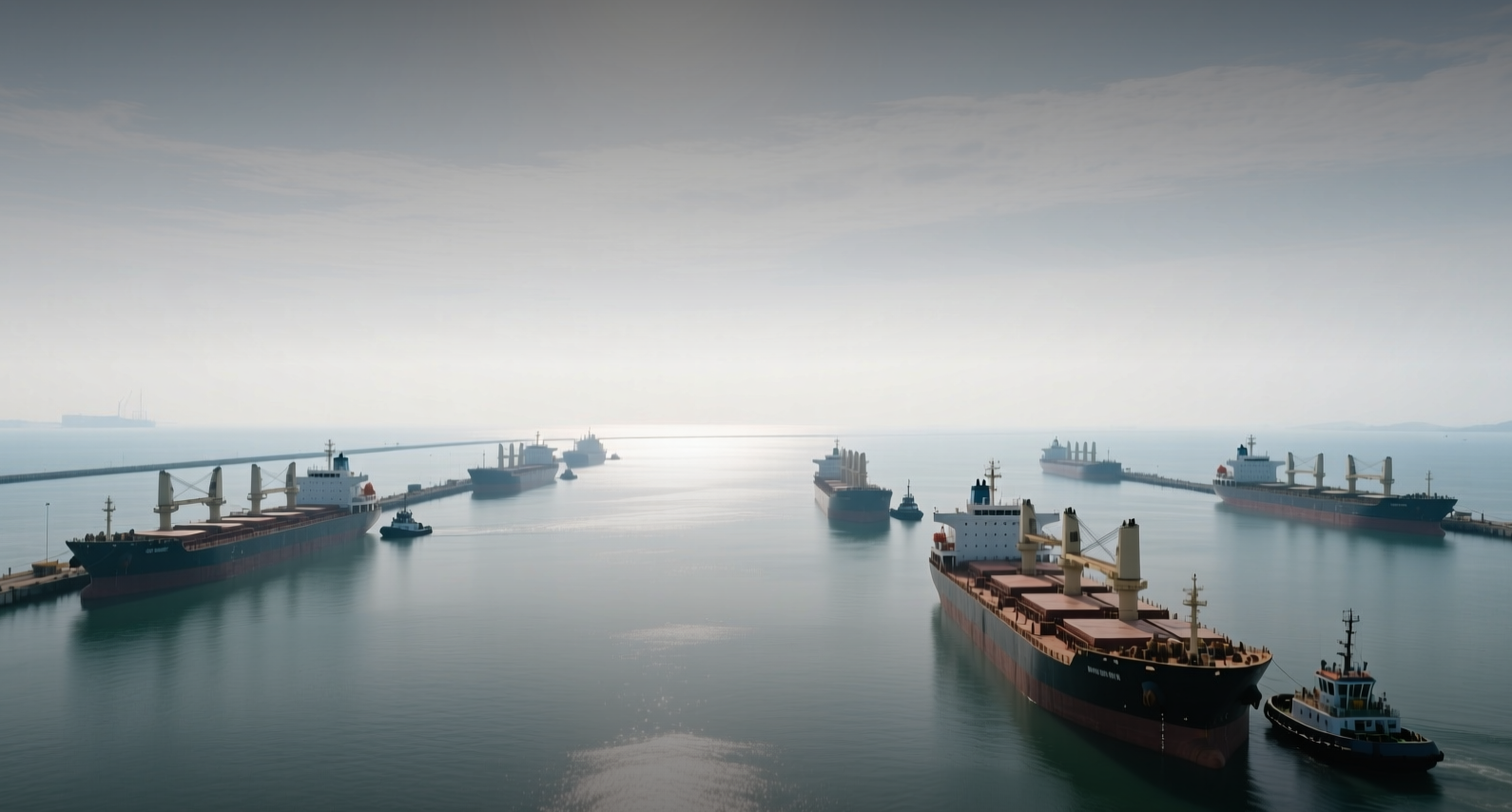
US sanctions have cut China's Iranian crude imports to 534,000 barrels per day in August, down 62 percent from last year's average, with tougher measures looming as Washington prepares what Treasury Secretary Scott Bessent called "the toughest sanctions in history."
"Given the thin Iranian availability caused by the US blockade, Chinese teapots are now looking beyond Russia and Iran," said Sun Jianan, senior oil analyst at Energy Aspects.
Offers of Iranian crude for September and October delivery have declined from July and August cargoes, four trade sources said. Some Iranian Light cargoes flipped from a $3 discount to a $2 premium over ICE Brent within a week. Floating storage outside the blockade zone has fallen to about 80 million barrels from 105 million barrels, Kpler data showed.
The squeeze threatens independent refiners in Shandong province that account for about a fifth of China's refining capacity. With Bessent set to unveil the new sanctions package Monday, buyers face the prospect of near-zero new Iranian supply from late September onward, pushing them toward Brazilian and Iraqi grades.
The US re-imposed its blockade of Iran's shipping and ports on July 13 after a deal to halt the war between them broke down. No visible crossings of the Strait of Hormuz by supertankers carrying Iranian crude have occurred since mid-July, according to Kpler data, although many vessels switch off location transponders.
China's Iranian imports fell to 785,000 barrels per day in June, the lowest since February 2023, before recovering to 823,000 bpd in July. August intake has dropped to 534,000 bpd, Kpler provisional data showed. Last year, China's purchases averaged 1.4 million bpd.
Kpler Senior Crude Oil Analyst Muyu Xu estimated 40 million barrels of Iranian oil sits on ships in Malaysian waters east of Singapore, though most has been promised to buyers. "Buyers could face virtually no new Iranian supplies available for late-September delivery onwards since no laden Iranian tankers have so far managed to break through the US blockade," she wrote on LinkedIn.
Bessent, writing in the Financial Times, called the coming campaign "the single greatest financial offensive ever marshalled against an adversary." He warned that "any remaining tie to Tehran will hasten the economic ostracism of countries and entities." The Treasury secretary is due to outline the measures at a press conference Monday at 2 pm.
President Donald Trump described the effort as an "ECONOMIC D-DAY," threatening "tremendous economic consequences" for countries providing financial, business, or government support to Iran. The campaign targets oil-smuggling networks, financial transfers, exchange houses, ship registries, and front companies.
Iran has responded with threats of its own. Supreme National Security Council Secretary Mohsen Rezaei warned that if the economic campaign continues, "not a single drop of oil will be exported" from the Persian Gulf. Iran also said vessels from authorized countries transiting the Strait of Hormuz will now pay service fees to Tehran.
Brent crude traded around $93.16 a barrel Monday, down $1.23, while West Texas Intermediate was near $85.70, down $1.36, as traders positioned ahead of the sanctions announcement. The retreat did not signal supply concerns had disappeared — rather, traders awaited clarity on the scope of US measures.
China, the world's biggest crude importer, buys more than 80 percent of Iran's shipped oil, according to 2025 Kpler data. Beijing has rejected unilateral sanctions, with a foreign ministry spokesperson saying Thursday that sanctions will not solve the conflict. One teapot already bought Brazil's Lapa crude this week, while others evaluated Iraq's Basrah grade.
The last time Washington imposed secondary sanctions on Iranian oil buyers in 2019, China's imports fell to roughly 200,000 bpd before recovering as refiners developed shadow fleets and ship-to-ship transfer networks. The current blockade, backed by more than 20 US warships and 68 redirected commercial vessels per CENTCOM, may prove harder to circumvent.
This article is for informational purposes only and does not constitute investment advice.
