

Key Takeaways: Drivers are uploading mechanic quotes into ChatGPT to gut-check prices, diagnose faults, and guide DIY repairs — some are cutting their bills in half.
Key Takeaways: Drivers are uploading mechanic quotes into ChatGPT to gut-check prices, diagnose faults, and guide DIY repairs — some are cutting their bills in half.
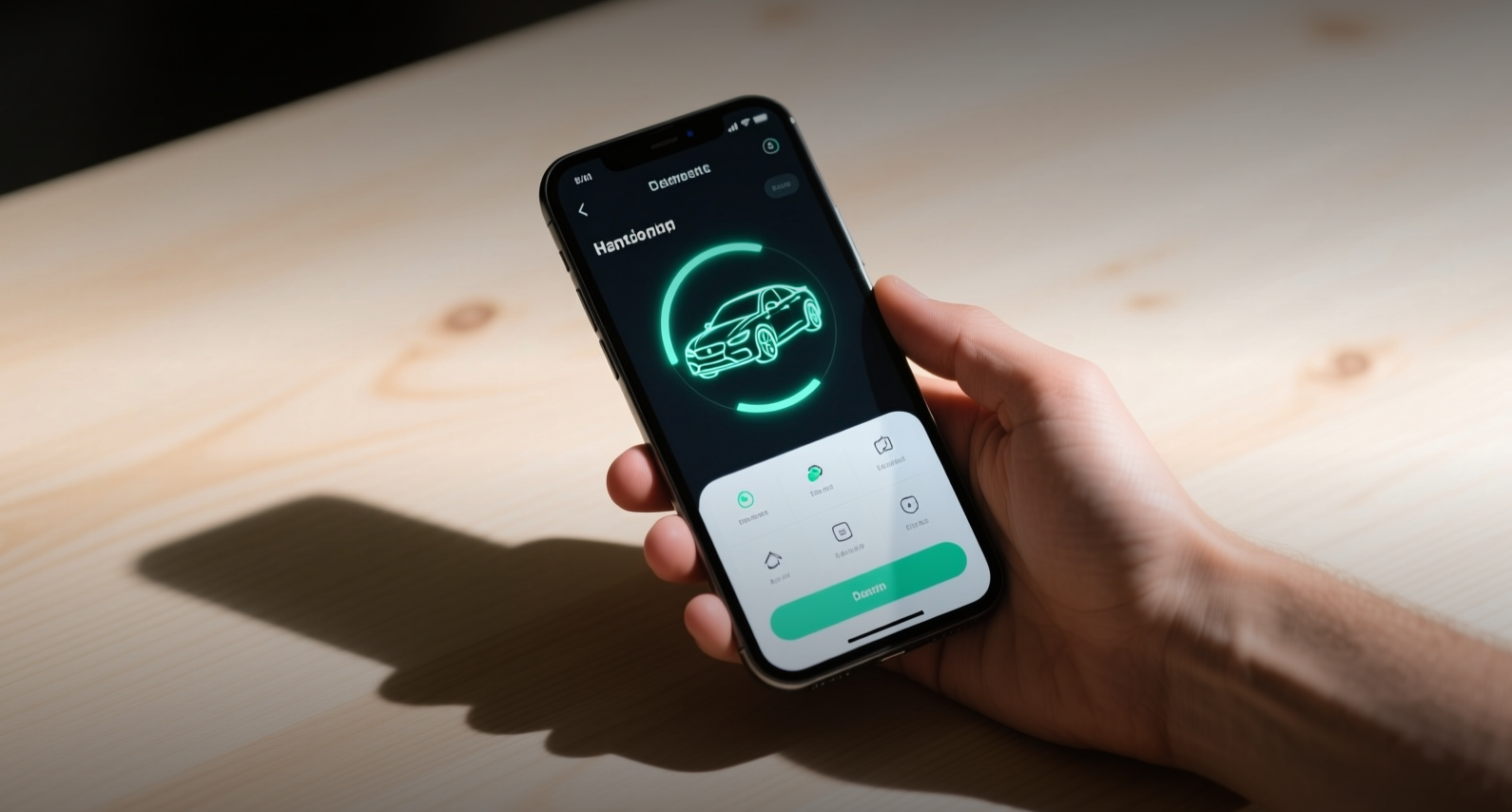
Consumers are using ChatGPT to diagnose vehicle problems and challenge mechanic quotes, with some cutting repair bills by nearly 50 percent as AI moves into everyday purchasing decisions.
"AI does a really good job at fact-checking us, so we can't lie to our customers, or we can't try and upsell you," Palmer Dababneh, co-owner of Underdog Automotive, a mobile-repair business serving the Dallas-Fort Worth area, said.
Vicky Vivaldi, a University of Florida student, uploaded a $5,100 Ford dealership quote for a new AC system into ChatGPT, which flagged it as inflated and recommended contacting Ford customer service about a potentially covered flaw. The manufacturer cut dealer fees and slashed the bill nearly in half. Alexis Burris Duncan, a Fort Wayne, Ind., resident, used ChatGPT to guide her through replacing a dirty air filter and blower motor on her 2021 Mazda for under $200 total — far less than a professional diagnosis and repair.
The trend reflects broader consumer AI adoption. ChatGPT now processes over 2.5 billion prompts daily with more than 900 million weekly users, according to TechCrunch. As AI moves from novelty to utility, the automotive repair industry faces pressure to justify pricing, while AI companies like OpenAI and Anthropic stand to benefit from expanded consumer reliance on their platforms.
Richard Fasulo, a New York-based technician known on social media as Check Engine Chuck, said he frequently hears from followers who replaced the wrong parts after taking flawed chatbot advice. "It does more often than not end up being more expensive than if the customer had just brought it somewhere reputable, paid them to diagnose it, paid them to fix it," he said, adding that liability for botched DIY repairs falls on the shop.
Sienna Mallon, a 29-year-old truck driver in Australia, consulted ChatGPT during a solo drive through the remote Outback when a fuel fault warning appeared on her 2016 Toyota Land Cruiser. The bot suggested water in the fuel tank; she removed and reset the fuel filter, only for the warning to reappear the next morning. Her brother identified the real issue — a filter blockage — over FaceTime. Although the unnecessary tinkering didn't damage her truck, Mallon warns that other chatbot advice could have. "Don't do anything you don't know how to undo without checking with someone else first," she said.
The divide between mechanics who welcome AI as a trust-building tool and those who warn against it mirrors a broader debate in the service economy. Underdog Automotive's Dababneh said the practice has cultivated happy clients and driven more sales, while also saving mechanics from having to argue their case on a suggested repair. Fasulo counters that the cost of a wrong AI diagnosis often exceeds what a professional inspection would have cost in the first place.
Service technicians advise drivers to provide granular vehicle details — make, model, year, and VIN — when consulting chatbots, and to verify AI outputs independently. "Chatbots can confidently deliver flawed suggestions based on insufficient information," said Chris Craig, an automotive consultant based near Myrtle Beach, S.C. "Always verify the outputs with a trusted third party."
The AI-assisted repair trend mirrors broader shifts in consumer trust. A Klaviyo survey found 85 percent of consumers now express at least some trust in AI for accurate and personalized shopping recommendations. AI-driven traffic to retail sites surged nearly 700 percent during the 2025 holiday season, according to eMarketer data. The same dynamic is playing out in automotive: consumers who once relied on word-of-mouth or a trusted mechanic now turn to AI as their first point of reference.
For investors, the trend shows growing consumer willingness to pay for AI services. OpenAI's ChatGPT and Anthropic's Claude together accounted for nearly 83 percent of AI app revenue in India in the second quarter, per Sensor Tower data, where total consumer app spending reached $345 million, up 35 percent year over year. As AI chatbots become the first stop for everyday problem-solving, from car repairs to shopping, the companies that own the consumer AI interface — including Microsoft-backed OpenAI and Alphabet's Google with Gemini — stand to capture an expanding share of discretionary spending.
This article is for informational purposes only and does not constitute investment advice.
