
Iran's Revolutionary Guard said an oil tanker caught fire after striking two naval mines in the Strait of Hormuz, pushing Brent crude above $90 a barrel for the first time in months.
Iran's Revolutionary Guard said an oil tanker caught fire after striking two naval mines in the Strait of Hormuz, pushing Brent crude above $90 a barrel for the first time in months.
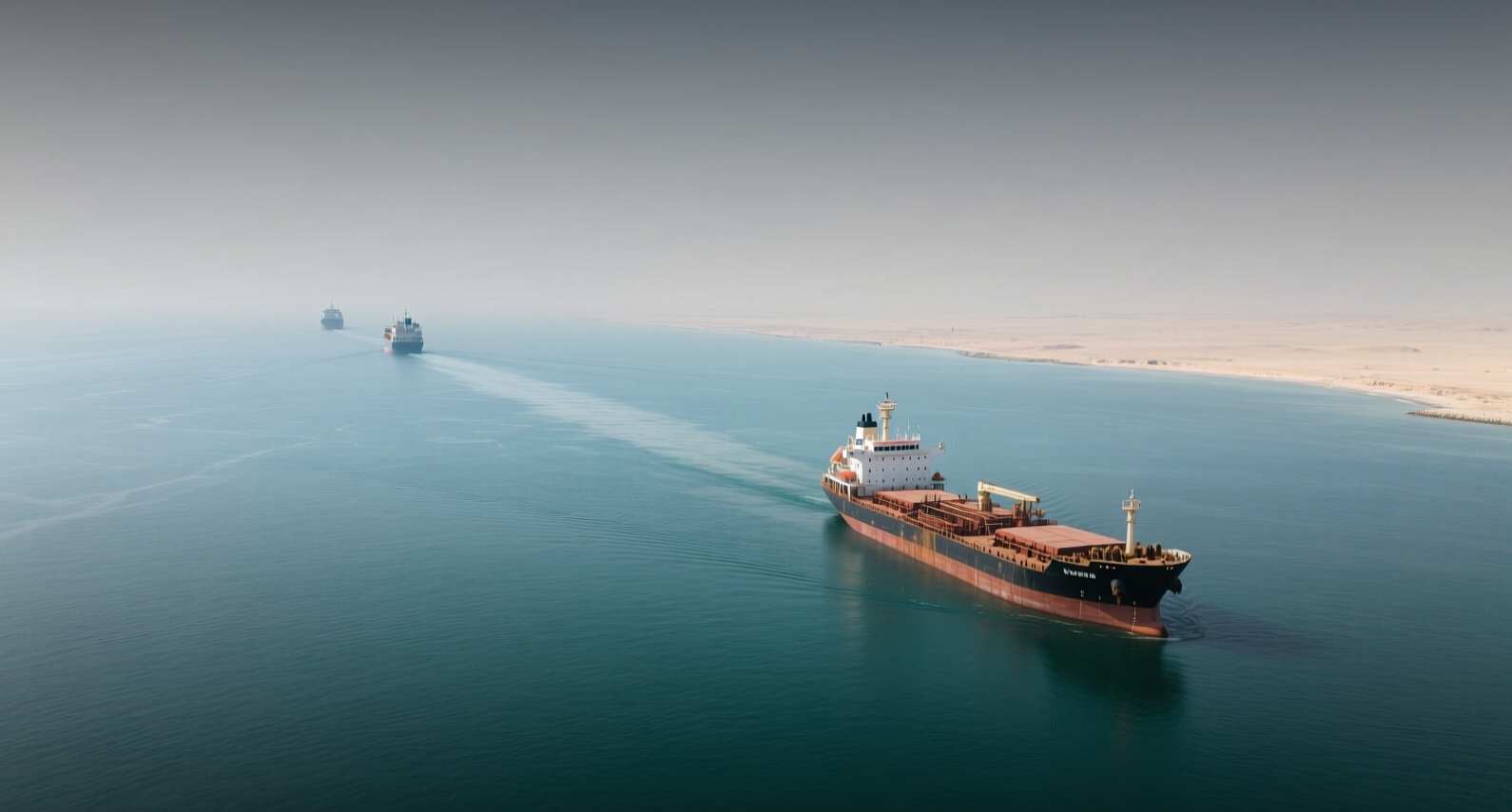
Brent crude jumped 2.81 percent to $90.58 a barrel Monday after Iran's Islamic Revolutionary Guard Corps said an oil tanker caught fire after striking two naval mines while attempting an unauthorized transit of the Strait of Hormuz.
"A rogue supertanker attempting to pass through the illegal route south of the Strait of Hormuz caught fire in massive fires after striking two naval mines and was brought to a complete stop," the IRGC said in a statement carried by state-run broadcaster IRIB. "The IRGC Navy once again warns that the fate of ships that violate the security regulations of the Strait of Hormuz will be no different."
WTI crude climbed 2.7 percent to $85.68 a barrel during Asian trading. The IRGC did not disclose casualties or the extent of damage to the vessel, which it said was operating in violation of navigation rules issued by the IRGC Navy. The incident follows US airstrikes Sunday on Larak Island in the strait that destroyed two IRGC rocket launchers, which the Pentagon said were preparing to fire rockets carrying naval mines toward the waterway.
The Strait of Hormuz handles roughly 20 percent of global oil supply, making any disruption a direct threat to energy markets. With Washington and Tehran trading strikes for the first time since late July, traders are pricing in a prolonged period of elevated risk in the world's most critical maritime chokepoint.
The IRGC said the tanker was attempting to use the southern route near Oman's coast, a corridor Tehran considers illegal because it was promoted by the United States. Iranian authorities have not released final details on the tanker's identity, its flag, or the nationality of its crew. Investigations into the incident are ongoing, according to state media.
The mine strike is the latest escalation in a confrontation that has intensified over the past week. On Sunday, US forces struck two Iranian missile launchers on Larak Island, marking the first American strikes on Iranian territory since late July. The Pentagon described the operation as a limited strike to protect international shipping from an imminent threat. Iran's IRGC separately said it shot down a US drone over the strait, causing it to crash into Gulf waters.
Despite repeated statements from President Donald Trump that the strait remains open to maritime traffic, shipping data shows vessel movements through the waterway have dropped sharply as security risks have intensified. Several tankers have altered routes, delayed voyages, or reduced transit frequency through the strait, according to shipping data cited by regional media.
The last comparable disruption came in 2019, when attacks on tankers near the strait pushed Brent above $75 a barrel and triggered a spike in war-risk insurance premiums for vessels transiting the Gulf. Current conditions differ in scale — the US and Iran are now directly exchanging military strikes rather than engaging in proxy attacks — suggesting the risk premium embedded in crude prices could persist longer.
Iranian President Masoud Pezeshkian said Tehran is "not looking for war" after the US strike on Larak Island, but also warned that Iran "will not stand idly by in the face of aggression." The dual messaging leaves energy markets uncertain about whether the current escalation represents a short-term spike or the beginning of a sustained conflict that could remove millions of barrels from global supply.
Energy market participants are closely monitoring whether the IRGC follows through on its warning that vessels violating its navigation rules will face the same fate as the tanker that struck the mines. Any further attacks on commercial shipping would likely push Brent toward the $95-$100 range, a level not seen since 2022. Conversely, a de-escalation in the coming days could see crude give back some of Monday's gains, though the elevated geopolitical risk premium is likely to persist as long as US and Iranian forces remain in direct contact.
This article is for informational purposes only and does not constitute investment advice.
