The Treasury secretary's Sept 8 warning at a Breitbart News event in Washington carried an existential edge: if Beijing pulls ahead in artificial intelligence, America's defense budget and broader economy become irrelevant, and no pause in the race is possible.
"There is no day after tomorrow if China wins at this," Bessent said. "If they were to pull away from us on AI, then nothing else would matter."
The remarks landed the same day US agencies accused Alibaba Group, DeepSeek, Moonshot AI and other China-based firms of extracting "billions of tokens" from US frontier models including Anthropic's Claude, Alphabet's Gemini and SpaceXAI's Grok since at least late 2024, potentially with Chinese government awareness. The FBI, National Security Agency and Cybersecurity and Infrastructure Security Agency issued the joint statement Sept 8.
The national-security framing raises the stakes for the Sept 24 meeting between Xi Jinping and President Trump in Washington, where AI governance and competitive practices are expected to dominate. A breakdown in talks could trigger the next wave of export controls or sanctions on Chinese AI firms, reshaping valuations across the sector.
71% of Americans Oppose Nearby Data Centers
Bessent's comments also targeted domestic resistance to the AI infrastructure buildout. US tech companies committed to more than $850 billion in data-center leases in the first quarter of 2026, a record, as hyperscalers race to expand capacity. Yet a Gallup survey in May found 71 percent of Americans oppose building data centers near their communities, compared with 53 percent who oppose nearby nuclear power plants.
The Treasury secretary gave the industry a "D-minus" for community outreach, saying companies have "taken their credibility to the edge" and need to rebuild trust by explaining the economic benefits of data centers. He also alleged that some opposition is influenced by Chinese propaganda, while acknowledging companies must take responsibility for communicating with residents.
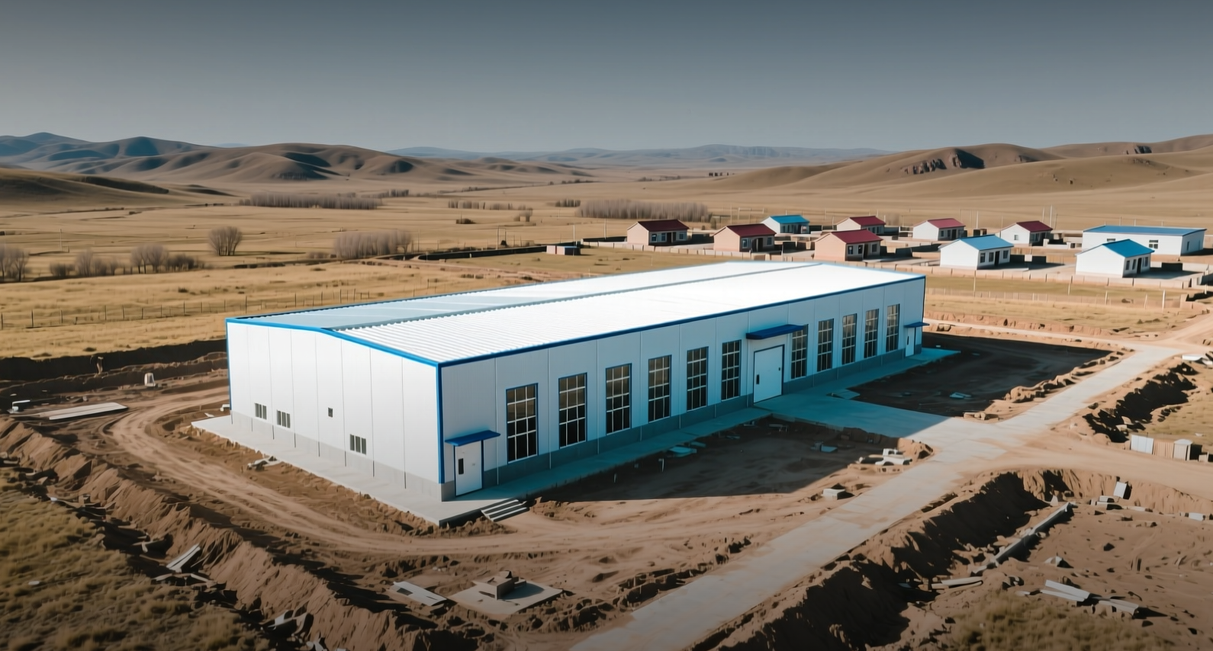
Trump warned in late August that the growing backlash poses an economic threat and risks giving China the upper hand in AI. In China, many new data center projects are going up far from major cities in less populated northern and northwestern regions, reducing local friction.
Sept 24 Summit Tests AI Governance Framework
Bessent has positioned himself as the primary point of contact for the US-China economic relationship and AI policy, a dual mandate giving him unusual influence over how the world's two largest economies compete on the technology. At the Economic Club of New York on June 24, he labeled China's AI advances the "biggest risk" facing American technology.
The US has maintained strict export controls on advanced chips to slow Beijing's ability to train and deploy frontier AI models, while exploring revenue-sharing arrangements with Nvidia to compensate for restricted access to China's market. Formal US-China bilateral discussions on AI governance were established after a summit in May 2026, with the next round scheduled for September.
For investors, the key variable is whether the Sept 24 talks produce concrete agreements or break down. A productive outcome could ease restrictions and expand market access for US chipmakers and AI companies. A failure could trigger the next wave of sanctions, reshaping the competitive dynamics of the global AI industry and hitting companies with significant China exposure.
This article is for informational purposes only and does not constitute investment advice.