


Tesla's $99-a-month Full Self-Driving subscription is on pace to generate $1.8 billion a year, a high-margin recurring revenue stream for the automaker.
Tesla's $99-a-month Full Self-Driving subscription is on pace to generate $1.8 billion a year, a high-margin recurring revenue stream for the automaker.
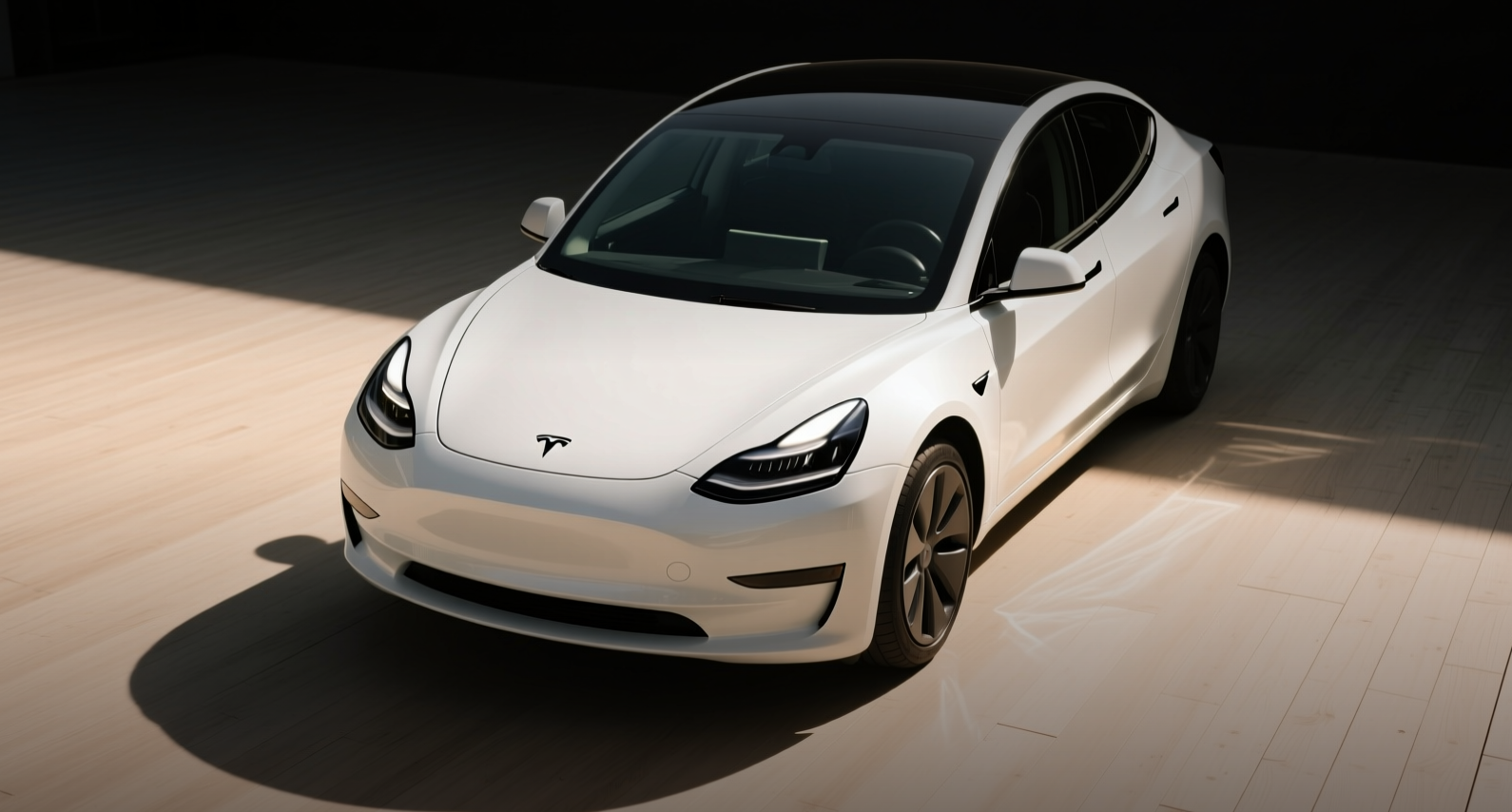
Tesla's supervised Full Self-Driving subscriptions hit 1.48 million active users in the second quarter, up 56 percent year over year, putting the $99-a-month plan on pace for about $1.8 billion in annual revenue.
"We're seeing in locations that have FSD approved, we're seeing a very high take rate of FSD," Chief Executive Elon Musk said on the earnings call, adding that customers want the software with whatever car it's paired with.
The subscription base still represents a small slice of Tesla's roughly $94.8 billion in annual revenue last year, but FSD subscriptions carry significantly higher margins than the core electric-vehicle business, so the segment should account for a larger share of operating profit than revenue. Tesla's FSD fleet has also accumulated more than 12 billion cumulative miles on the road, feeding real-world data back into the software's training loop.
The network effect is the long-term prize. More drivers mean more training data, which improves the software and attracts more subscribers — a flywheel that also feeds Tesla's robotaxi ambitions, where it trails Alphabet's Waymo. Tesla shares, down 28 percent this year, could rebound if the company scales its robotaxi fleet within the next year.
FSD subscriptions are growing as Tesla earns regulatory approvals in more regions. Musk's comments suggest the take rate climbs wherever the software is approved, a dynamic that could sustain demand for Tesla's EVs themselves. The 12 billion cumulative miles driven by the FSD fleet create a data advantage that rivals cannot easily replicate — every mile trains the model, and a better model attracts more paying drivers.
The subscription revenue is small relative to Tesla's vehicle sales, but its high margins make it a meaningful profit lever. The bigger opportunity sits in robotaxis, where Tesla competes with Waymo, the Alphabet unit that has led the commercial self-driving market. If Tesla can scale its robotaxi fleet within the next year and close the gap with Waymo, the stock could rebound from its 28 percent year-to-date decline.
Considerable uncertainty remains. Tesla must secure additional FSD approvals in other regions, train its software to handle edge cases, and prove its robotaxi economics. In the meantime, the company's capital spending is rising rapidly, squeezing profits and margins as it doubles down on these bets.
For investors, the question is whether the market has priced in the subscription growth. Tesla shares, down 28 percent this year, trade at a premium to traditional automakers, reflecting expectations for the software and robotaxi businesses. The $1.8 billion subscription run rate is a start, but it remains a fraction of the roughly $94.8 billion in annual revenue — and the path to a robotaxi fleet that justifies the valuation is still unproven.
This article is for informational purposes only and does not constitute investment advice.
