

Navitas Semiconductor is betting that AI data center demand for energy-efficient power chips will accelerate its long-term growth trajectory.
Navitas Semiconductor is betting that AI data center demand for energy-efficient power chips will accelerate its long-term growth trajectory.
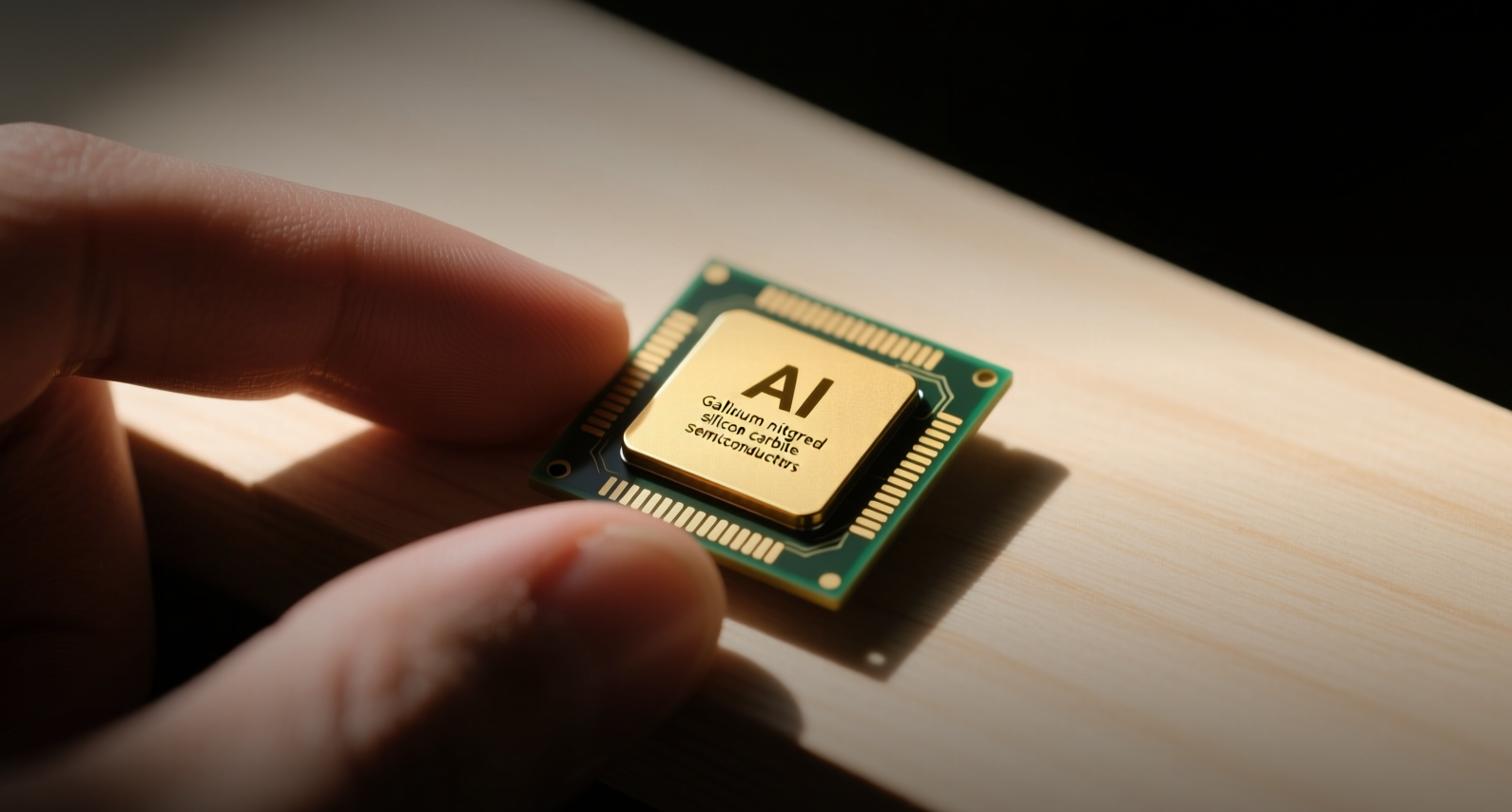
Navitas Semiconductor Corp. is pivoting toward AI infrastructure, betting that gallium nitride and silicon carbide power chips will capture a growing share of data center energy spending as operators race to cut power costs. The shift, announced July 21, positions the El Segundo, California-based company to tap into a market expanding as AI workloads drive electricity consumption higher.
The company outlined the strategic direction in a statement, citing rising demand from data center operators for power solutions that reduce energy loss during voltage conversion. GaN and SiC chips — wide-bandgap semiconductors that operate at higher voltages and temperatures than traditional silicon — are increasingly used in AI server power supplies, where efficiency gains translate directly to lower operating costs.
Navitas' GaNFast and GaNSafe product lines target the gallium nitride segment, while its GeneSiC portfolio addresses the silicon carbide market. The company's chips are fabricated at TSMC, the world's largest semiconductor foundry. Traditional silicon-based power chips lose a portion of energy as heat during conversion; GaN and SiC alternatives can significantly reduce those losses, making them attractive for power-hungry AI data centers where electricity is the single largest operating expense.
The strategic pivot comes as AI infrastructure spending accelerates. Major cloud providers including Amazon Web Services, Microsoft Corp. and Alphabet Inc.'s Google are investing billions in data center capacity, creating demand for power components that can handle higher loads while improving efficiency. A single AI data center can consume more than 100 megawatts of power, with cooling and power conversion accounting for a significant share of total energy use.
For Navitas, the shift represents an opportunity to diversify beyond its traditional markets in mobile charging and consumer electronics. The global GaN power semiconductor market is projected to grow at an annual rate of more than 40 percent through the end of the decade, according to Yole Group, while the SiC power device market is expected to exceed $6 billion by 2027.
Navitas faces established competitors in both segments. Infineon Technologies AG, the largest power semiconductor maker globally, has invested heavily in SiC production capacity, while Wolfspeed Inc. operates dedicated SiC wafer fabrication facilities in New York and North Carolina. Navitas' integrated GaN-plus-driver approach, which combines the power transistor with its driver circuitry on a single chip, simplifies system design for data center customers and may provide a competitive edge.
The company is scheduled to report second-quarter earnings in early August, which will provide investors with the first detailed look at how the AI infrastructure pivot is affecting financial performance. The success of the strategy will depend on Navitas' ability to convert its technology position into design wins with major data center operators and to scale production capacity to meet demand.
This article is for informational purposes only and does not constitute investment advice.
