

Key Takeaways: A leaked investor call from DeepSeek's CEO argues that AI code generation could collapse Nvidia's software advantage within 12 months.
Key Takeaways: A leaked investor call from DeepSeek's CEO argues that AI code generation could collapse Nvidia's software advantage within 12 months.
A leaked investor call from DeepSeek's CEO argues that AI code generation could collapse Nvidia's software advantage within 12 months.
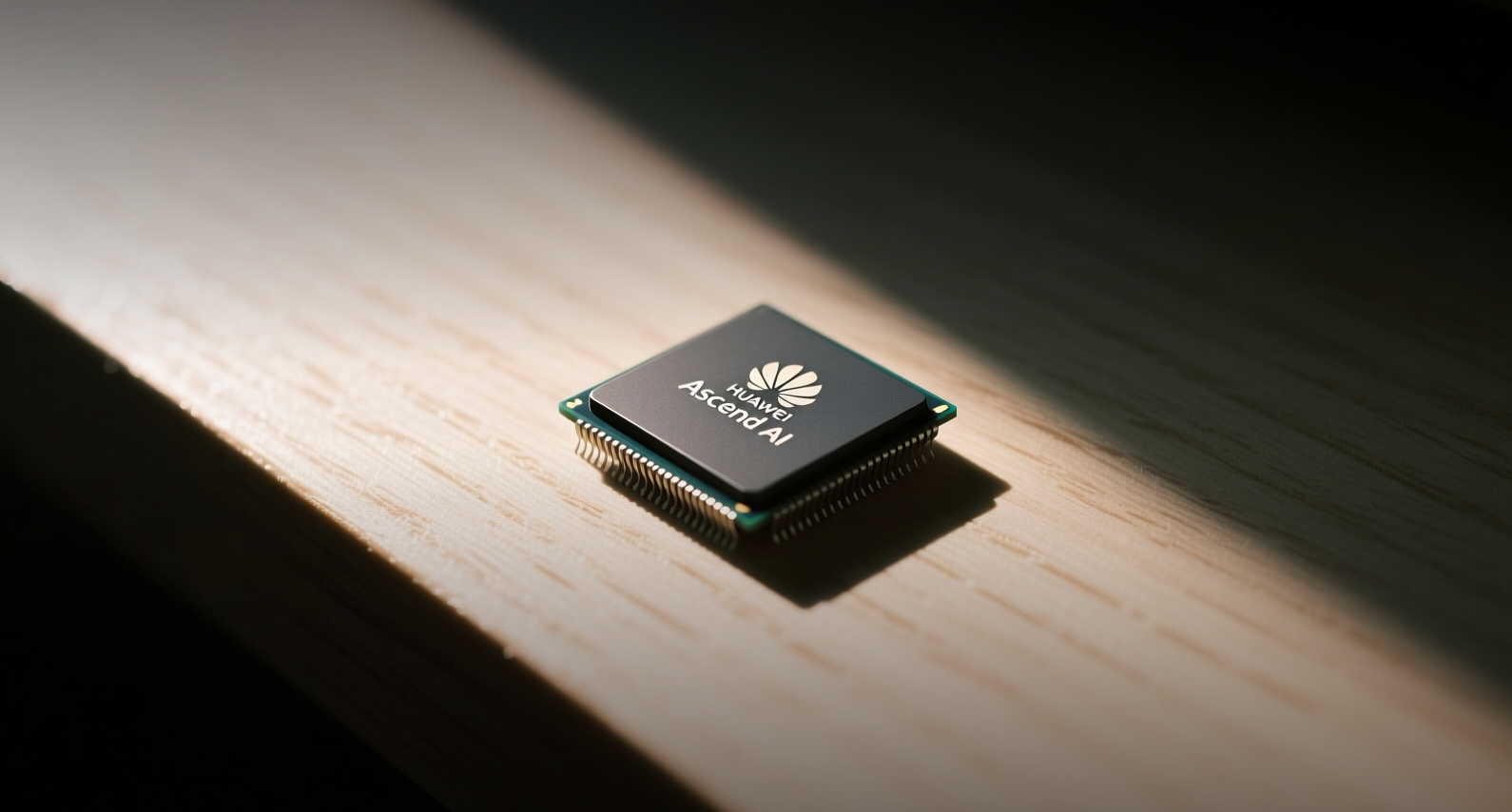
DeepSeek CEO Liang Wenfeng told investors that AI-powered code generation and the TileLang compiler could eliminate Nvidia's CUDA software advantage within a year, enabling Huawei chips to replace the US company's processors in Chinese data centers.
"AI-powered code generation and TileLang can rapidly lower the CUDA ecosystem's barriers to entry," Wenfeng said, according to a summary of the call posted by Citrini Research analyst Jukan. "The problem for Chinese chips could be solved within a year."
Even the leaked remarks concede Nvidia's lead. It takes roughly four Huawei chips to match a single Nvidia card, with Huawei described as about two years behind on performance. DeepSeek has already cut its software dependence on Nvidia using its own compiler and a TileLang-based environment, Wenfeng said, and porting that stack to Huawei silicon could let the 950 SuperNode replace workloads handled by Nvidia's GB200 and GB300.
Nvidia reports fiscal Q2 results on Aug. 26, with guidance calling for $91 billion in revenue — a figure that already excludes China data center compute sales. The company's data center revenue hit $75.25 billion in the prior quarter, up 92% from a year earlier. Nvidia shares trade at 32 times trailing earnings, with 58 of 61 analysts rating the stock a buy.
The Gap Remains Wide
Nvidia's CUDA platform has been the dominant software layer for GPU computing for more than a decade, with thousands of optimized libraries and applications built on top of it. Huawei's Ascend chips, by contrast, have limited software support — the gap Wenfeng claims TileLang can close. The DeepSeek CEO said the company is working closely with Huawei and aims to secure roughly 16,000 of its AI chips.
The performance differential is stark. Nvidia's H100 delivers 990 TFLOPS of FP16 performance, according to the company's published specifications, while Huawei's 910B — its closest competitor — is estimated at roughly 250 TFLOPS in comparable workloads. That 4-to-1 ratio aligns with Wenfeng's own characterization of the gap. Nvidia's upcoming Blackwell architecture, built on TSMC's 4nm process with custom CoWoS packaging, is expected to widen that lead further when it enters volume production.
TileLang, the compiler at the center of Wenfeng's thesis, is an open-source project that generates optimized code for different hardware back ends. If it can translate CUDA-optimized workloads to run on Huawei's Ascend architecture, it would remove the single biggest barrier to Chinese chip adoption: the lack of compatible software. DeepSeek claims to have already demonstrated this capability internally.
What to Watch on Aug. 26
Nvidia's earnings call will be the first opportunity for CEO Jensen Huang to address the CUDA erosion narrative directly. Investors will watch for data center revenue growth, the Blackwell and Vera Rubin product ramp, and gross margin durability. The company guided non-GAAP gross margin of 75 percent for the current quarter.
The implications extend beyond Nvidia. If Chinese AI labs can substitute domestic chips for Nvidia's processors, it would reduce demand for TSMC's advanced packaging capacity and potentially free up CoWoS supply for other customers. Advanced Micro Devices and Intel, both competing for AI workloads, would face reshaped competitive dynamics if Huawei emerges as a viable third option in the $200 billion-plus AI chip market.
Jukan, the Citrini Research analyst who posted the call summary, described himself as "very bearish on NVDA." Wall Street's consensus sits far from that view: 58 buys, two holds, one sell. The tension between a multi-year competitive risk and a company still compounding earnings at extraordinary rates is what Nvidia shareholders need to weigh.
This article is for informational purposes only and does not constitute investment advice.
