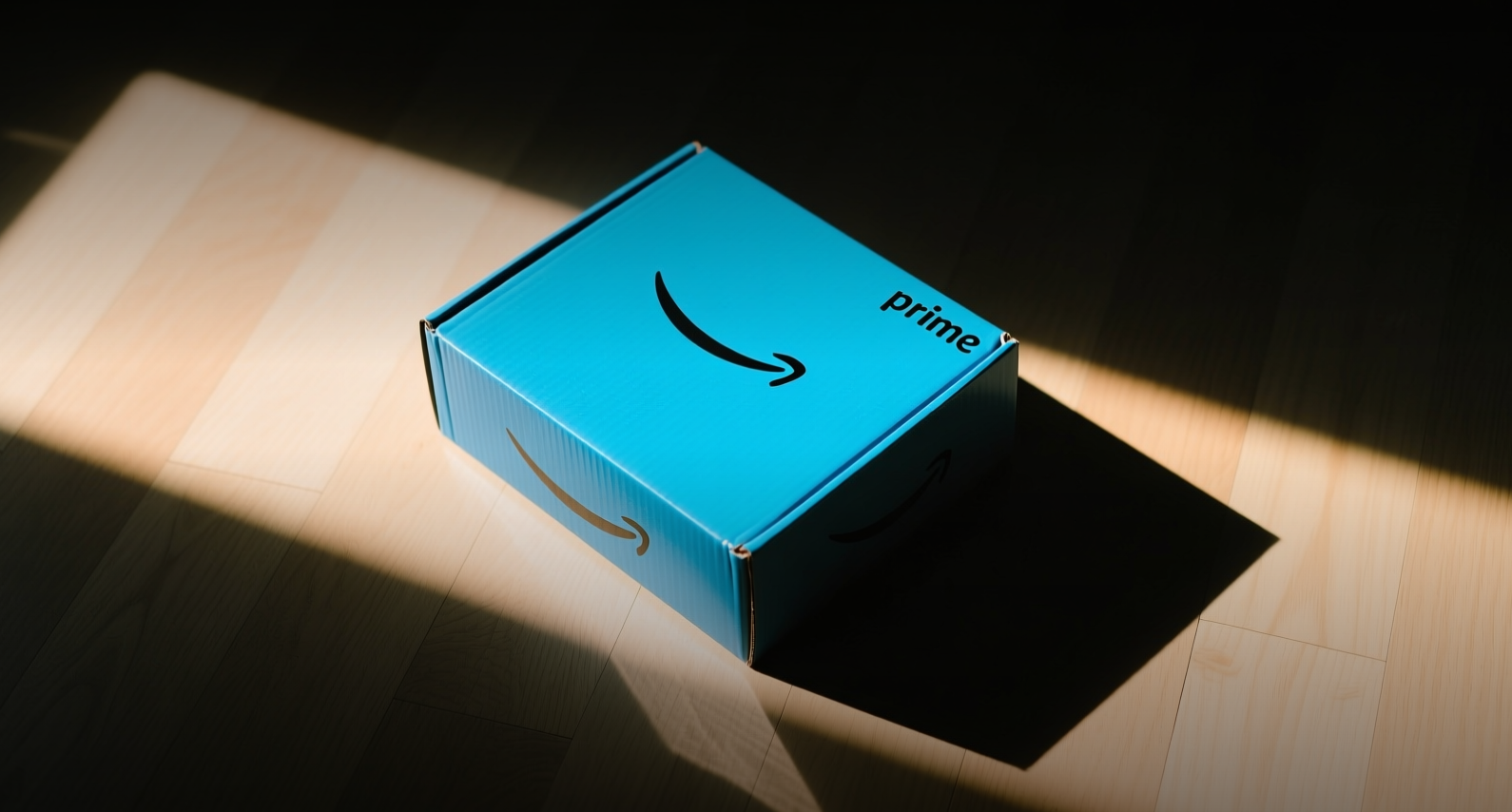
Amazon must pay $1.5 billion in refunds to customers and a $1 billion civil penalty to resolve Federal Trade Commission allegations that it enrolled tens of millions of consumers in Prime subscriptions without their knowledge and made cancellation intentionally difficult.
The FTC's complaint, filed in June 2023, alleged that Amazon used deceptive interface designs — known as "dark patterns" — to steer customers into Prime memberships through multiple enrollment flows including the universal Prime decision page, shipping selection page, single-page checkout and Prime Video enrollment. Customers who tried to cancel faced a multi-step process the agency described as designed to thwart their exit, dubbed "Iliad Flow" internally at the company.
"This settlement holds Amazon accountable for tricking millions of consumers into a recurring subscription they never agreed to," said Samuel Levine, director of the FTC's Bureau of Consumer Protection. "The $2.5 billion total judgment — including $1.5 billion in consumer refunds — sends a clear message that deceptive subscription practices carry significant consequences."
Amazon began issuing automatic refunds to eligible customers in November and December 2025, according to the settlement administrator. Starting in January 2026, the company began sending claim notices by mail or email to customers who did not receive automatic payments. Eligible Prime members may receive refunds of up to $51, representing a portion of the annual membership fee, with total payouts capped at the $1.5 billion fund.
Who qualifies and how to claim
Customers qualify for compensation if they were enrolled in Prime through a challenged enrollment flow or attempted to cancel through the online cancellation process but were unable to do so between June 23, 2019, and June 23, 2025. Additionally, eligible customers must have used no more than three Prime benefits — such as Prime Music or Prime Video — in any 12-month period following enrollment. Amazon is responsible for determining which customers enrolled through challenged flows, relieving individuals of that burden.
Customers who did not receive an automatic refund have until July 27, 2026, to submit a claim through the settlement website at www.SubscriptionMembershipSettlement.com or by contacting the administrator at [email protected]. Payments can be received by check, PayPal or Venmo, with disbursements expected in late 2026.
Regulatory implications for Big Tech
The settlement represents one of the largest consumer protection judgments against a technology company in U.S. history. The $1 billion civil penalty alone exceeds the FTC's total annual budget of approximately $430 million for fiscal 2025. The case signals heightened regulatory scrutiny of subscription-based business models across the technology sector, where recurring revenue now accounts for a growing share of revenue for companies including Apple, Google and Microsoft.
The FTC's action against Amazon follows a broader push by the agency under Chair Lina Khan to police what it views as anticompetitive and deceptive practices among dominant platforms. The agency has pursued similar cases involving subscription practices at other companies, though none have resulted in penalties of this magnitude. Amazon, as part of the settlement, agreed to cease the enrollment and cancellation practices identified in the complaint and to implement compliance measures subject to FTC oversight.
This article is for informational purposes only and does not constitute investment advice.