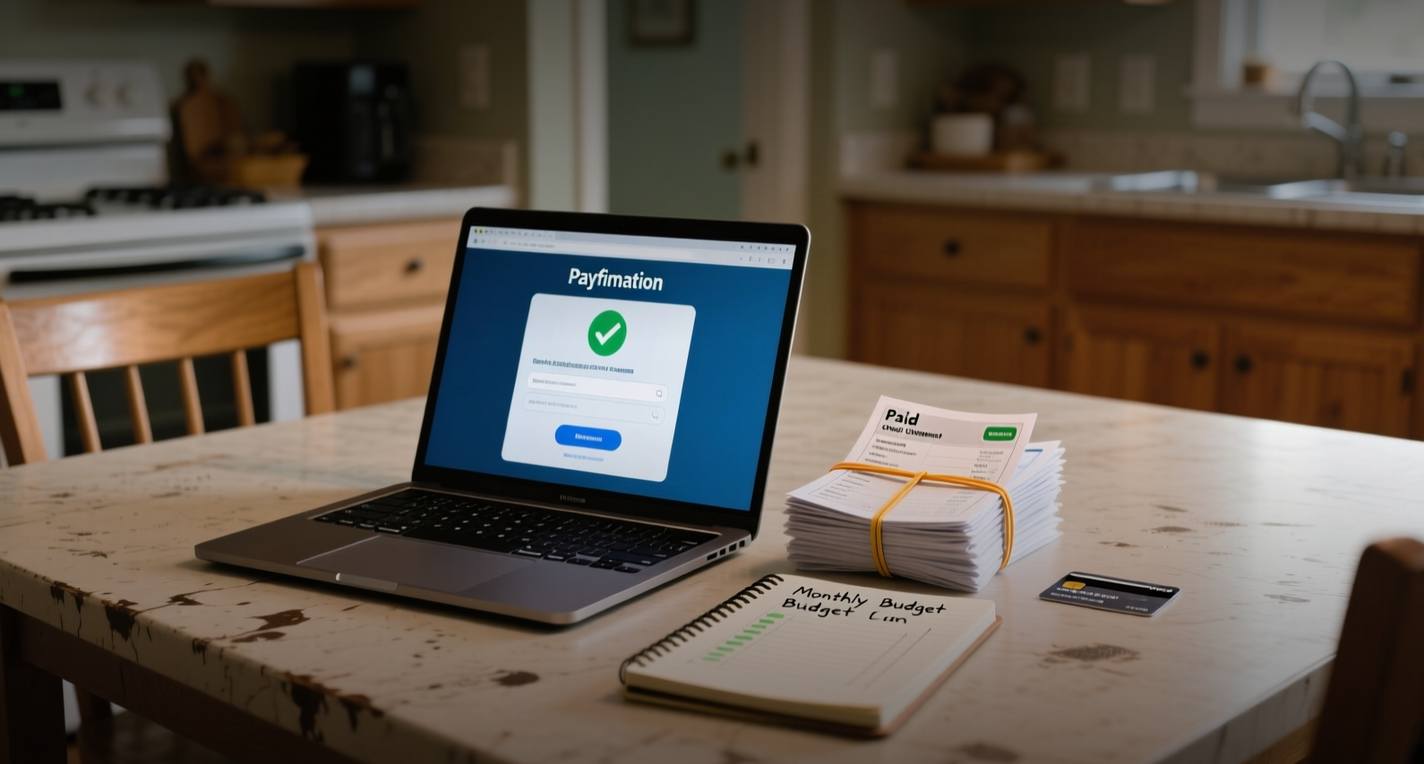
Paying off a credit card balance is only half the job — the harder part is keeping the balance from coming back once the monthly payment disappears from the budget.
Peter, a 40-year-old who spent years working down a $15,000 credit card balance, finally made his last payment. The relief was immediate: no more monthly bill, no more interest charges eating into his progress. But the transition that follows a payoff carries its own risk. When a fixed payment vanishes from a budget, that money can quietly dissolve into everyday spending — a few extra purchases here, a higher monthly bill there — until the balance quietly rebuilds itself.
"Getting out of debt is only half the job," said Bruce McClary, senior vice president of communications at the National Foundation for Credit Counseling. "The harder part is staying out."
The stakes are broad. Americans collectively owe more than $1 trillion in credit card debt, according to the Federal Reserve Bank of New York, and for many households there is little room between a normal month and a financial setback. Unlike a loan with a fixed payoff date, credit card debt is revolving: once a balance is paid down, the available credit opens back up, and for someone who spent years feeling restricted, that open line can feel like a safety net — even when relying on it is what created the problem in the first place.
For Peter, the challenge is deciding what role credit cards will play going forward. The goal is not to avoid them forever, but to make sure they do not become the default answer when the budget comes up short. That requires giving the money that once went to debt a new purpose before it gets absorbed into spending.
Why Balances Come Back
McClary said people generally fall back into debt for one of two reasons. The first is behavioral. "Once the intensity of paying off debt fades, so does the discipline that came with it," he said. "Old spending habits creep back in." During the years of repayment, every dollar had a purpose and a clear goal sat in front of the borrower. Once the balance reaches zero, that sense of urgency disappears.
The second reason has nothing to do with willpower. "A job loss, a medical emergency, a sudden drop in income… each of these can outrun even a well-run budget," McClary said. "When that happens, credit card debt isn't a lapse in judgment. It's just what's left when the cash runs out." Federal Reserve research shows many Americans do not have enough savings to cover a major unexpected expense, which can make credit cards the first option when a broken appliance, a medical bill, or a sudden income drop arrives. High interest rates make the climb back out steeper — a borrower who only makes minimum payments can spend years paying off purchases long after forgetting what they originally bought.
Redirecting the Former Payment
The first step is giving the former debt payment a new job before it disappears into routine spending. Redirecting that money toward an emergency fund gives a household another option besides reaching for a credit card when something goes wrong. "Savings aren't a nice extra here; they're what keeps the whole system from falling apart the first time life gets messy," McClary said. Even a small starting amount helps.
Peter can also use the fresh start to reset spending habits. Small expenses are easy to overlook one at a time — an unused subscription, a few extra takeout meals a week, convenience purchases that have become routine. The point is not to cut out everything enjoyable, but to make sure spending reflects current priorities. Deciding in advance where the former debt payment will go each month — some to savings, some to retirement, some to guilt-free spending — makes it less likely the money vanishes unnoticed.
As for the credit cards themselves, Peter does not necessarily need to stop using them. Used carefully, they can build credit, offer rewards, and provide convenience. The difference is that he now has experience with what happens when a balance carries over month to month. Paying the statement balance in full each month, removing saved payment information from online shopping accounts, waiting before larger purchases, and setting spending limits all create a pause between wanting something and buying it.
Paying off $15,000 in credit card debt took discipline, but staying debt-free requires a different approach. Peter no longer needs to focus on digging himself out; he can focus on building a financial cushion that keeps him from needing to. The money that once went to a credit card company can start working for him instead — provided he gives it a purpose before it gets spent.
This article is for informational purposes only and does not constitute investment advice. Figures cited reflect the source material and should be verified against the latest official announcements before making financial decisions.