

XRP trades near $1.40 as the CLARITY Act faces a possible House delay to the lame-duck session, with its completed SEC case providing a regulatory-certainty advantage most tokens lack while the Senate prepares a September 15 cloture vote.
XRP trades near $1.40 as the CLARITY Act faces a possible House delay to the lame-duck session, with its completed SEC case providing a regulatory-certainty advantage most tokens lack while the Senate prepares a September 15 cloture vote.
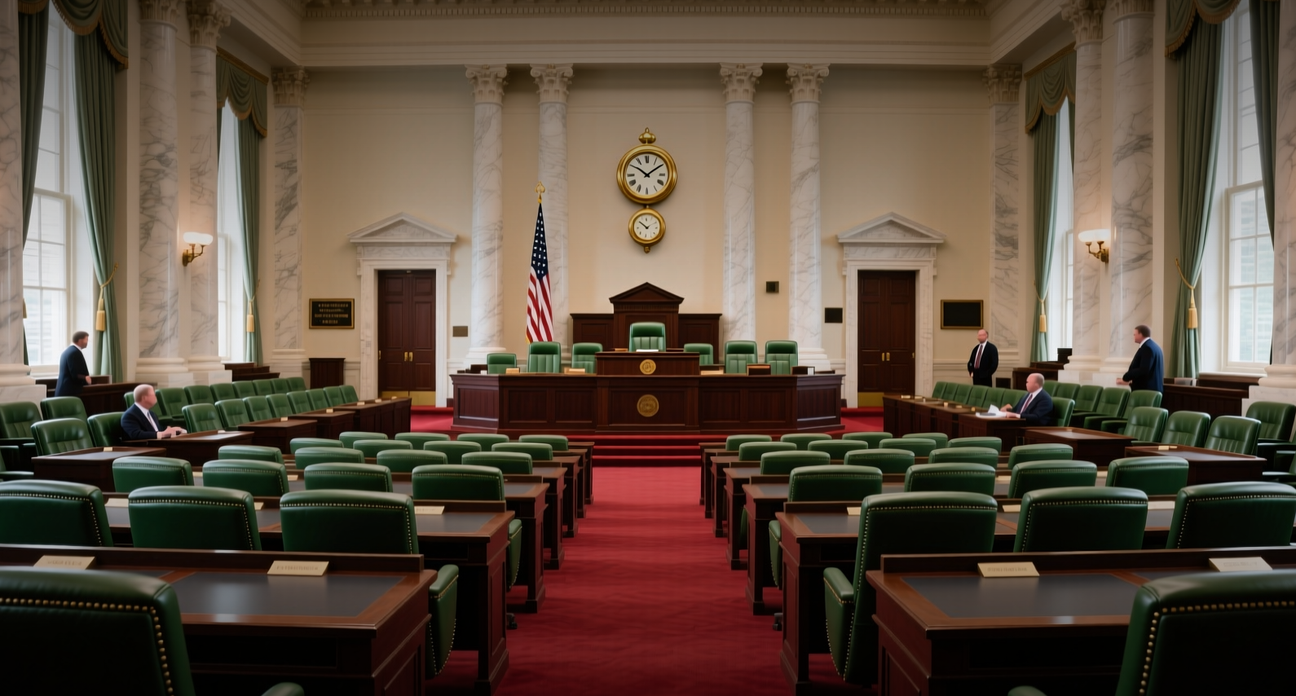
The token's price has held steady around $1.40 even as the Digital Asset Market Clarity Act of 2025 faces a possible House vote pushed into the lame-duck session, a delay that leaves most digital assets without a settled federal classification framework. XRP's completed SEC case resolution gives it a legal-certainty advantage that other tokens cannot claim while the bill's fate remains unresolved.
The National Sheriffs' Association dropped its formal opposition to the bill and adopted a neutral stance in a letter Thursday, after raising law enforcement and public safety concerns in July over DeFi provisions covering registration, customer identity checks, anti-money laundering controls, and sanctions requirements. The group said several important details were still being considered and stepped back while the legislative process continued.
The Senate is scheduled to hold a cloture vote on the CLARITY Act on September 15 at 2:15 pm, a procedural step requiring 60 votes that would determine whether the bill can move to formal Senate consideration. Prediction markets price the odds of the Act being signed into law by January 2027 at 16.5 percent, up from 14 percent a week ago, reflecting cautious optimism rather than conviction. A failed cloture vote would push the bill's timeline into 2027, when proponents would need to restart the process with a new Congress.
XRP's position stands apart because its legal status was settled when the SEC case concluded, removing the classification uncertainty that still hangs over most tokens awaiting the CLARITY Act's outcome. That completed resolution supports the token's price stability near $1.40 even as the broader market contends with an unresolved legislative timeline. The regulatory gap between XRP and other tokens could widen further if the House delay extends into the lame-duck session, when shifts in congressional control could alter the bill's trajectory.
What the September 15 vote decides
The cloture motion on H.R. 3633 is not a final vote on passage. It determines only whether the Senate can formally consider and debate the bill. Lawmakers still need to reconcile differences on DeFi language, stablecoin reward amendments, and enforcement provisions before a final Senate vote, followed by House-Senate reconciliation. The NSA's shift to neutral removes one formal opposition but does not resolve the underlying concerns about how the bill treats custodial versus non-custodial protocols.
Why XRP's edge could persist
The CLARITY Act's delay affects a broad set of market participants. Coinbase, Robinhood, MicroStrategy, Circle, and Bitmain all face regulatory outcomes tied to the bill's fate. For exchanges and issuers, the bill would clarify which assets fall under SEC versus CFTC jurisdiction, potentially unlocking institutional flows that banks have held back pending clearer rules. Bitcoin already has relatively explicit commodity status, but altcoins without completed legal resolutions remain exposed to classification risk.
XRP's completed SEC case functions as a structural advantage that legislative timing cannot erode. While other tokens wait for the CLARITY Act to define their regulatory status, XRP's classification is already settled. The token's resilience near $1.40 reflects investor confidence in that legal clarity, even as macro regulatory headwinds persist across the sector.
The September 15 cloture vote will be the first critical inflection point. If it passes, the bill advances to floor debate with a realistic path toward enactment. If it fails, the legislative window narrows considerably, and XRP's regulatory-certainty advantage over the broader token market could widen further into 2027.
This article is for informational purposes only and does not constitute investment advice.
