

Woodside Energy is weighing every option for its Beaumont New Ammonia plant, including a possible sale, as lower-carbon ammonia demand fails to materialize.
Woodside Energy is weighing every option for its Beaumont New Ammonia plant, including a possible sale, as lower-carbon ammonia demand fails to materialize.
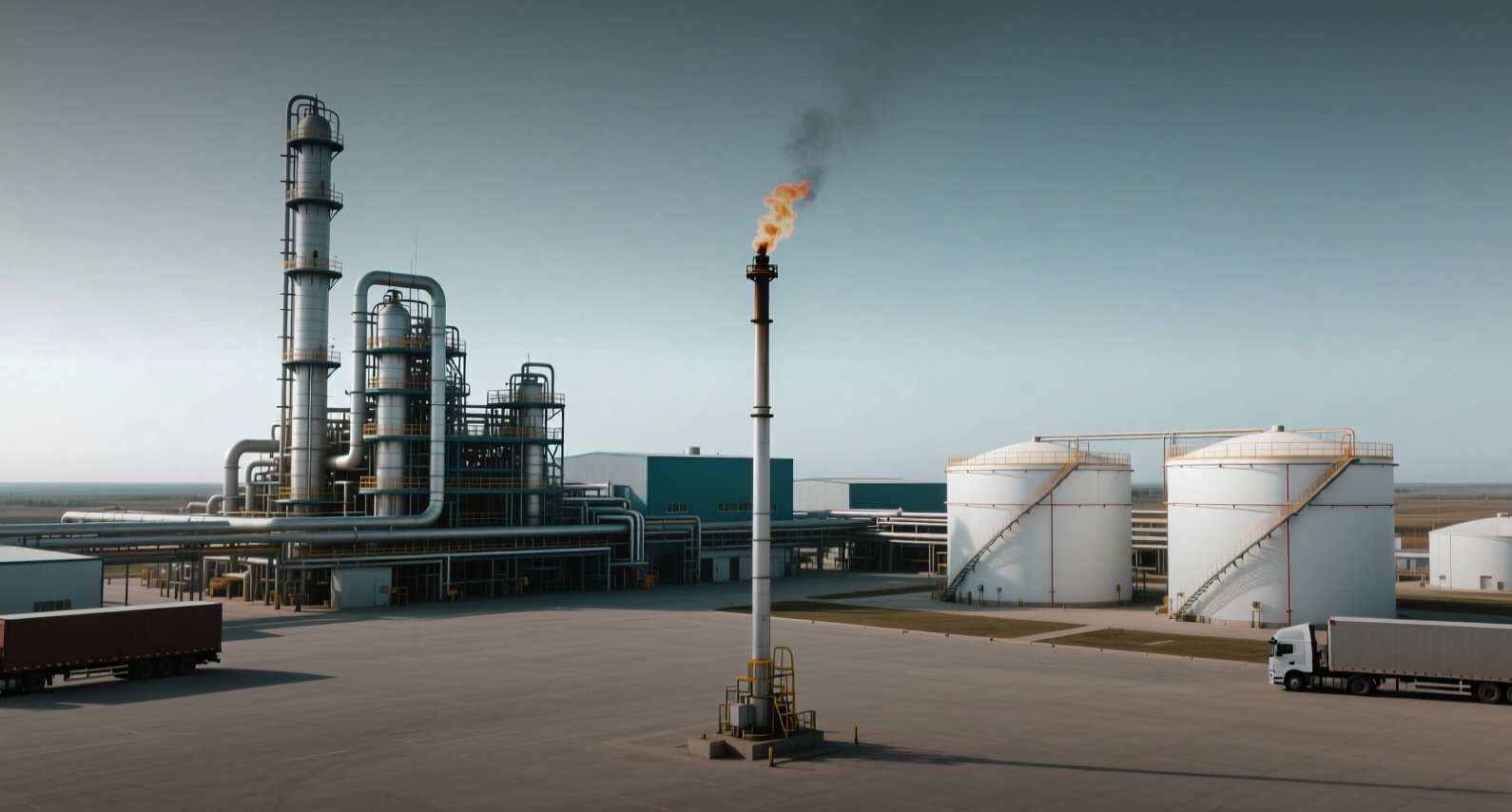
Woodside Energy launched a strategic review of its Beaumont New Ammonia facility with "everything on the table," CEO Liz Westcott said, as the company scrapped its $5 billion new-energy investment target and retired Scope 3 emissions-abatement goals.
"The review reflected a shift in international policy positions and slack demand for lower-carbon ammonia," Westcott said in her first results presentation as chief executive.
The review comes as Woodside reported $1.3 billion in underlying net profit for the first half of 2026, $4.6 billion in EBITDA and $3 billion in operating cash flow, while declaring a fully franked interim dividend of $0.57 per share. The company also launched a program targeting $350 million in annual structural savings from 2028.
The Beaumont decision marks a retreat from the lower-carbon ammonia market, which has struggled to attract buyers willing to pay a premium for green products. Woodside took operational control of the facility in March but production has been constrained by third-party feedstock availability, an issue expected to continue through 2027.
Cost Cuts Target $350M in Annual Savings
Westcott said the structural cost-reduction target of $350 million annually from 2028 will cover operating costs, corporate overhead and some sustaining capital expenditure, with Woodside seeking to simplify the organization and accelerate decision-making. CFO Graham Tiver said the company plans to provide more detail at its Capital Markets Day in November, including capital allocation and capital management.
The company also retired its previous ambition to spend $5 billion on new-energy projects by 2030. Westcott said markets for hydrogen, ammonia and carbon capture and storage have developed more slowly than anticipated, and the company no longer sees a path to commercially attractive projects sufficient to meet the target. Its 2030 target for a 30% reduction in net equity Scope 1 and 2 emissions remains unchanged.
Scarborough Nears First LNG as Louisiana LNG Advances
Woodside said its Scarborough Energy project was 98% complete at the end of the half and remains on schedule and budget for its first LNG cargo in the fourth quarter of 2026. The Trion oil project offshore Mexico was 64% complete and remains targeted for first oil in 2028. Louisiana LNG was 28% complete, with Stonepeak and Williams having joined the project, reducing Woodside's capital exposure to 57% of the total investment, or $9.9 billion.
The company produced 86.5 million barrels of oil equivalent in the first half, realizing an average price of $74 per barrel. Around 75% of its LNG volumes are contracted through 2028. Woodside ended the half with $8.2 billion in cash and undrawn facilities, with gearing at 20.6%, slightly above its 10% to 20% target range. Tiver said gearing should return below 20% by year-end.
Sangomar in Senegal produced 15 million barrels of oil equivalent on a Woodside-share basis with 99.5% reliability, generating $3.8 billion of EBITDA since startup. The company is discussing a potential second phase with Petrosen and the Senegalese government.
The Beaumont review and the retirement of new-energy targets mark a sharp pivot for Woodside, which had positioned lower-carbon ammonia as a growth avenue. The company's decision to put the facility's future on the table — including potential divestment — reflects a broader industry recalibration as green ammonia projects face weak offtake commitments and uncertain regulatory support. For investors, the review raises the prospect of asset writedowns or a sale that could reshape Woodside's portfolio toward its core LNG and oil businesses.
This article is for informational purposes only and does not constitute investment advice.
