

A Waymo robotaxi turned its own passengers over to police, demonstrating how autonomous vehicle AI is reshaping the boundaries of surveillance and safety.
A Waymo robotaxi turned its own passengers over to police, demonstrating how autonomous vehicle AI is reshaping the boundaries of surveillance and safety.
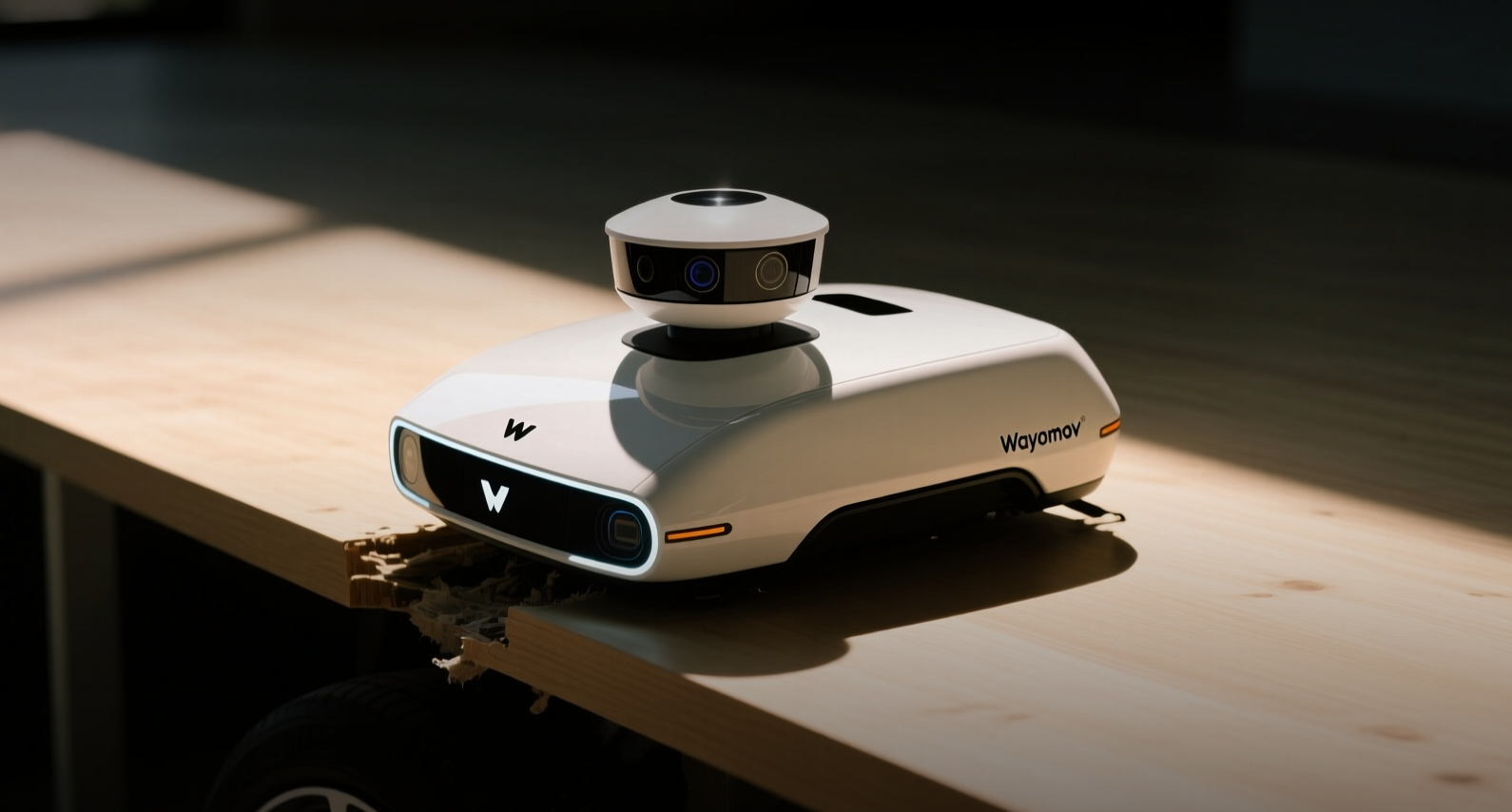
Two 15-year-olds were detained in San Mateo, California, on Monday after a Waymo autonomous vehicle detected suspicious behavior inside the cabin and alerted law enforcement, raising new questions about privacy in driverless fleets.
"Waymo's vehicle sensors detected activity consistent with intoxication and property damage, triggering an automated alert to our response team," a Waymo spokesperson said. The company then remotely guided the vehicle to a parking lot where police were waiting.
The teenagers were drinking and shooting water beads inside the vehicle, according to San Mateo police. Waymo's cabin-facing cameras and audio sensors — originally designed for safety monitoring and cleaning alerts — identified the behavior and escalated it without human intervention. The company operates more than 1,000 vehicles across San Francisco, Los Angeles, Phoenix, and Austin, with plans to expand to four additional cities including San Diego.
The incident highlights a tension at the core of the autonomous vehicle industry: the same sensors that ensure passenger safety can also function as surveillance tools. For Waymo, a unit of Alphabet Inc., the episode showcases advanced safety capabilities but may intensify scrutiny from privacy advocates and regulators as the company scales toward fully autonomous operations in new markets.
How Waymo's Cabin AI Detects Misconduct
Waymo's fifth-generation Driver system includes interior cameras, microphones, and lidar sensors that monitor the cabin environment. These systems are trained to detect behaviors such as smoking, vomiting, and vandalism, triggering automated responses ranging from pulling over to contacting law enforcement. The company has disclosed in its safety reports that cabin monitoring data is retained for a limited period and is not used for advertising or unrelated purposes.
The San Mateo incident is not the first time Waymo's AI has flagged passenger misconduct. In 2025, a Waymo vehicle in San Francisco alerted police after passengers were observed consuming alcohol and behaving erratically. What distinguishes the latest case is the autonomy of the response — the vehicle detected, assessed, and acted without a human dispatcher initiating the process. Rival autonomous vehicle operators, including Cruise and Zoox, also employ cabin monitoring but have not publicly disclosed automated police-notification protocols of this specificity.
Privacy Concerns Mount as Waymo Expands
The episode arrives as Waymo accelerates its expansion. The company recently announced plans to launch fully autonomous operations in San Diego and three other cities, bringing its total service area to eight metropolitan regions. With each expansion, the number of daily rides — and the volume of cabin surveillance data — grows exponentially.
Privacy advocates argue that the same technology enabling Waymo's safety interventions could be repurposed for broader monitoring. The American Civil Liberties Union has previously raised concerns about autonomous vehicle data collection, noting that cabin cameras capture not only passengers but also bystanders visible through windows. Waymo has stated that its cameras are positioned to focus on the interior and that exterior-facing cameras are used exclusively for navigation and obstacle detection.
For investors, the incident cuts both ways. Waymo's ability to autonomously detect and respond to safety threats strengthens its case with regulators and insurers, potentially accelerating approval timelines and reducing liability costs. Alphabet, trading at 22 times forward earnings, has invested more than $10 billion in Waymo since 2020, according to company filings. However, any regulatory backlash over surveillance practices could slow expansion and invite compliance costs that erode margins in a business that has yet to turn a profit.
This article is for informational purposes only and does not constitute investment advice.
