
Key Takeaways: Washington's economic war on Tehran is forcing global markets to price a prolonged Strait of Hormuz disruption, lifting oil and Treasury yields together.
Key Takeaways: Washington's economic war on Tehran is forcing global markets to price a prolonged Strait of Hormuz disruption, lifting oil and Treasury yields together.
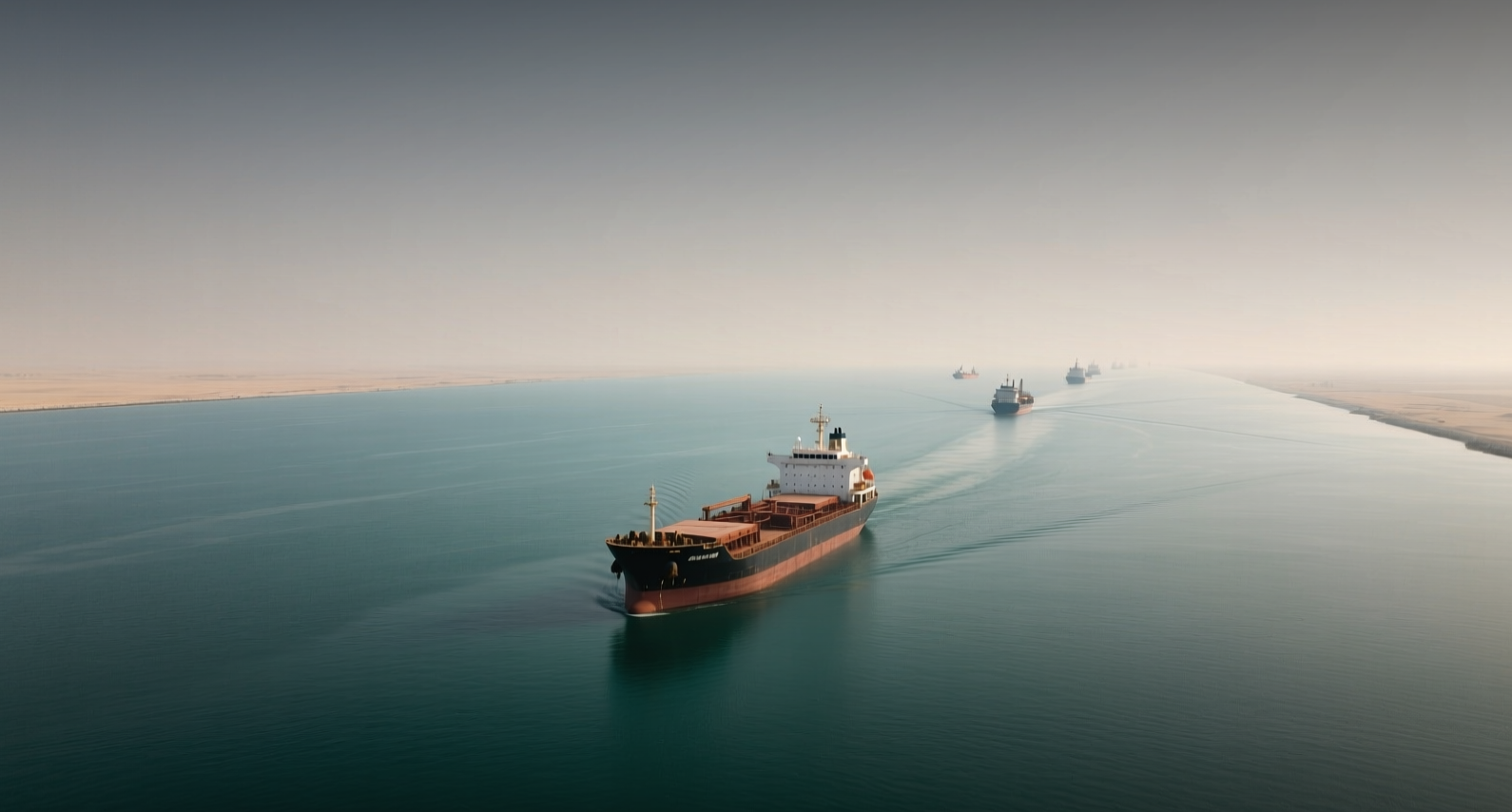
Washington's economic war on Tehran is forcing markets to price a prolonged Strait of Hormuz disruption, lifting Brent above $93 a barrel and pushing the 30-year Treasury yield back over 5.2 percent.
"Combined with ongoing risks around the Strait of Hormuz and the effective constraint on Red Sea shipping caused by Houthi attacks, it highlights just how vulnerable global trade remains to disruption at a small number of strategic passages," said Cameron Berrington, Canada Marine Leader at Marsh.
Brent crude traded at $93.55 a barrel Friday, up more than 7 percent over five straight sessions, while West Texas Intermediate climbed 8 percent to near $86.50. Only seven commodity ships passed through the Strait of Hormuz Thursday, half the 14 a day earlier, according to Kpler data. The dollar index slid to 98.72, below its 50-day moving average, while the 30-year Treasury yield climbed back above 5.2 percent.
The IEA projects a 1.8 million-barrel-per-day market deficit in the third quarter even as it expects global demand to decline 1.6 million bpd in 2026. If the disruption persists, higher energy costs feed into inflation, complicating Federal Reserve policy at a moment when traders already price at least one 25-basis-point rate hike by year-end.
President Donald Trump's vow to launch the "MOST CRUSHING ECONOMIC OPERATION EVER TAKEN AGAINST ANY COUNTRY" against Iran has shifted the market's baseline assumption from a short-term shock to a sustained supply loss. The Strait of Hormuz normally carries roughly one-fifth of global oil consumption, and the halving of daily transits to seven ships has pushed Brent resistance to $96.80, with WTI charts mapping a possible move toward $100, according to Elliott Wave Strategy. The last time the waterway faced comparable disruption, in 2019 after attacks on tankers, Brent spiked more than 14 percent within two weeks before retreating once shipping resumed.
The supply squeeze is colliding with softer demand signals. U.S. commercial crude stocks rose 4.4 million barrels to 428.8 million in the week ended Aug. 14, matching the five-year seasonal average, while refineries ran at 97.2 percent of capacity. Distillate inventories fell 1.5 million barrels and sit about 13 percent below their five-year average, showing tightness in parts of the fuel market. OPEC+ will add 188,000 barrels per day in September, though Middle East disruptions could limit how much reaches the global market.
The geopolitical shock is arriving at a sensitive point for U.S. equities. The Dow Jones Industrial Average fell 1.3 percent Thursday, the S&P 500 lost 0.9 percent and the Nasdaq Composite declined 1 percent, after the Philadelphia Semiconductor Index dropped nearly 5 percent Tuesday. Higher oil prices raise inflation risks while climbing Treasury yields lift the discount rate on future earnings, squeezing both corporate margins and valuations in the technology sector that led this year's equity rally.
The United Arab Emirates added to the fallout Wednesday by suspending trade and financial transactions with Iran, complicating regional flows at a time when shipping through the strait remains severely disrupted. The dollar's slide to 98.72, below its 50-day exponential moving average around 100.05, offers oil some support since crude is priced in dollars. For central banks, the combination of higher energy costs and weaker growth creates a difficult trade-off: a sustained oil-price shock could reinforce the case for keeping monetary policy restrictive if it feeds into broader consumer prices, even as supply-chain costs rise globally.
This article is for informational purposes only and does not constitute investment advice.
